
Key Takeaways
Everything you need to know about the UK ETA for Wales. Covers Cardiff, Snowdonia, Pembrokeshire, Welsh castles, language tips and practical travel advice.

Does the UK ETA Cover Wales?
Wales is a full part of the United Kingdom, and the UK Electronic Travel Authorisation (ETA) covers travel to Wales in exactly the same way as it covers England, Scotland, and Northern Ireland. There is no separate travel authorisation or visa required specifically for visiting Wales. If you hold a valid UK ETA, you are free to travel anywhere within the United Kingdom, including every corner of Wales.
Since 25 February 2026, all eligible international visitors must have an approved UK ETA before travelling to the UK. The current ETA costs £20, remains valid for two years, allows multiple entries, and permits stays of up to six months per visit. Whether you fly into Cardiff, arrive by train from London, or drive across the Severn Bridge from England, your ETA is all you need for the immigration side of things.
This guide provides everything international visitors need to know about travelling to Wales with a UK ETA, covering airports, transport options, top destinations, the Welsh language, castles, national parks, and practical tips to make your Welsh adventure unforgettable.
How to Apply for Your UK ETA
Applying for a UK ETA is a simple online process. You can apply through the official UK ETA app or the government website. You will need a valid passport, a digital photograph, and a payment method for the £20 fee. Most applications are approved within minutes, but the UK government recommends applying at least 72 hours before your planned travel date.
The fee rose from £16 to £20 on 8 April 2026. For a complete walkthrough, see our step-by-step UK ETA application guide. If you are an EU citizen, our UK ETA guide for EU citizens covers the specific requirements that apply to you.
Getting to Wales: Airports and Transport Links
Cardiff Airport (CWL)
Cardiff Airport is the only international airport in Wales, located about 19 kilometres southwest of Cardiff city centre in the Vale of Glamorgan. While smaller than major English airports, it offers direct flights to several European destinations and seasonal routes to holiday hotspots. The T9 express bus connects the airport to Cardiff Central railway station in approximately 30 minutes.
Many international visitors choose to fly into a larger English airport and then travel overland to Wales. The most common options include London Heathrow, Bristol Airport, Birmingham Airport, and Manchester Airport.
Travelling from London to Wales
The Great Western Railway operates frequent high-speed services from London Paddington to Cardiff Central, with a journey time of approximately two hours. Trains also run to Swansea (around three hours) and onward to destinations in west Wales. Advance tickets offer significant savings when booked early. Read our guide on buying UK train tickets online to find the best fares.
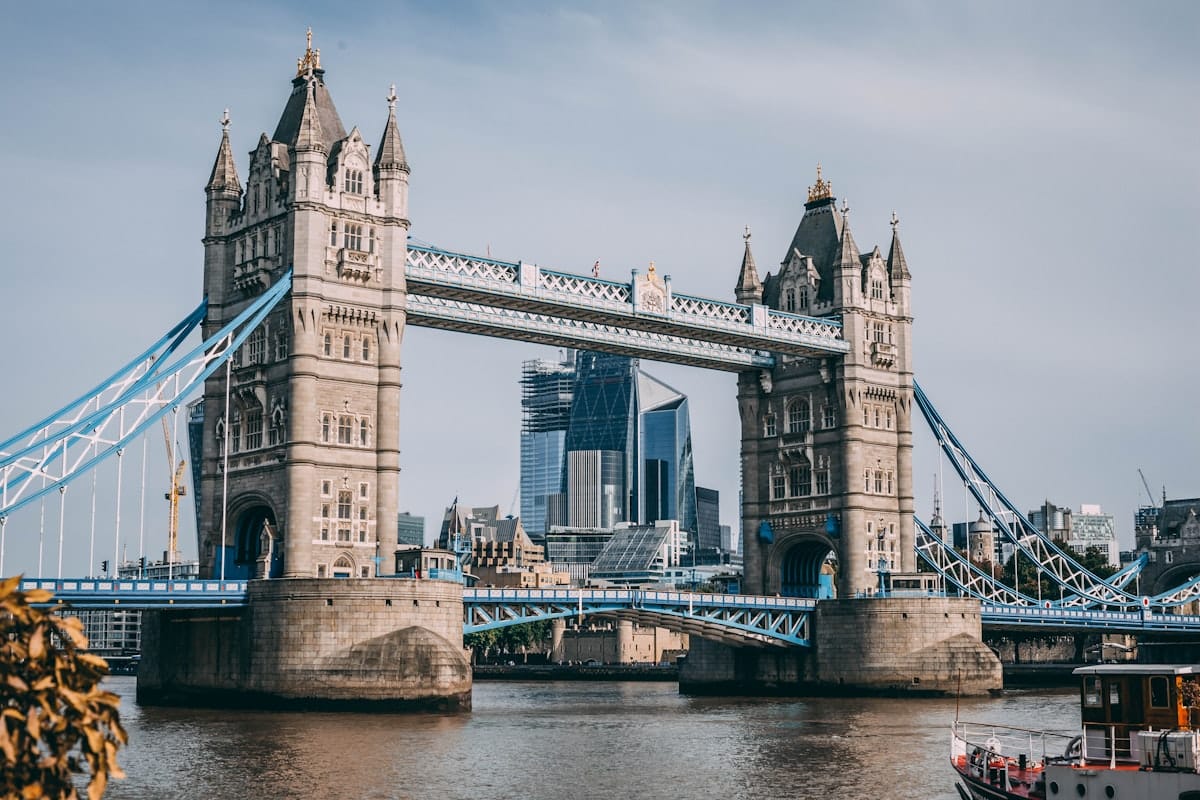
National Express and Megabus coaches connect London to Cardiff, Swansea, and other Welsh towns. Journey times are longer (three to four hours to Cardiff) but fares can be very competitive. Driving from London to Cardiff takes approximately three hours via the M4 motorway, crossing the Prince of Wales Bridge over the Severn Estuary.
Travelling from Birmingham and the Midlands
Birmingham is an excellent gateway to mid and north Wales. Direct trains run from Birmingham New Street to Cardiff (about two hours) and to towns in mid Wales including Shrewsbury and the Heart of Wales line. The drive from Birmingham to Snowdonia takes approximately two and a half hours.
Top Destinations in Wales
Cardiff
The Welsh capital is a vibrant, compact city that blends ancient history with modern energy. Cardiff Castle, located right in the city centre, spans nearly 2,000 years of history from Roman fort to Victorian Gothic fantasy. The Cardiff Bay area has been transformed into a waterfront destination with restaurants, the Wales Millennium Centre (home of Welsh National Opera), and the Senedd (Welsh Parliament building). The National Museum Cardiff houses an impressive collection of Impressionist art alongside Welsh history and natural science exhibits.
Snowdonia National Park (Eryri)
Snowdonia, known in Welsh as Eryri, is one of the most spectacular national parks in Britain. At 1,085 metres, Snowdon (Yr Wyddfa) is the highest peak in England and Wales, and climbing it is one of the most popular outdoor activities in the country. Several routes lead to the summit, ranging from the gentle Llanberis Path to the challenging Crib Goch scramble. For those who prefer not to walk, the Snowdon Mountain Railway operates from spring to autumn, carrying passengers to the summit cafe. Our detailed best time to visit the UK guide can help you plan the ideal season for your Snowdonia adventure.
Brecon Beacons National Park (Bannau Brycheiniog)
The Brecon Beacons, now officially known by their Welsh name Bannau Brycheiniog, cover a vast area of south and mid Wales. The park offers gentler landscapes than Snowdonia, with rolling mountains, hidden waterfalls, and peaceful valleys. Pen y Fan, the highest peak at 886 metres, is a popular half-day hike. The park is also home to a series of spectacular waterfalls near Ystradfellte, often called Waterfall Country, which are perfect for a day of gentle walking and photography.
Pembrokeshire Coast
The Pembrokeshire Coast National Park is unique in Britain as the only national park focused primarily on coastline. The 300-kilometre Pembrokeshire Coast Path follows dramatic cliffs, hidden coves, and golden beaches. Barafundle Bay has been repeatedly voted one of the best beaches in the world, while Tenby, with its pastel-coloured Georgian houses and medieval walls, is one of the most picturesque seaside towns in Wales. For families, our guide to family-friendly beaches in Wales highlights the best options for children.
The Gower Peninsula
The Gower was the first area in the UK to be designated an Area of Outstanding Natural Beauty, and it is easy to see why. Rhossili Bay, a three-mile sweep of golden sand backed by dramatic cliffs, is consistently rated among the best beaches in Europe. The peninsula is compact enough to explore in a few days, with beautiful walking trails, medieval castles, and charming villages.
Conwy and the North Wales Coast
Conwy is one of the best-preserved medieval walled towns in Europe. Conwy Castle, built by Edward I in the 13th century, is a UNESCO World Heritage Site and one of the finest examples of medieval military architecture anywhere in the world. Nearby Llandudno is a classic Victorian seaside resort with a sweeping promenade, pier, and the Great Orme headland accessible by cable car or tramway.
Welsh Castles: A Unique Heritage
Wales has more castles per square mile than any other country in Europe. From mighty medieval fortresses built by English kings to native Welsh strongholds perched on remote hilltops, castles are woven into the Welsh landscape and identity.
The castles of Edward I in north Wales, including Caernarfon, Conwy, Harlech, and Beaumaris, form a UNESCO World Heritage Site. Caernarfon Castle, with its distinctive polygonal towers inspired by the walls of Constantinople, is where the investiture of the Prince of Wales traditionally takes place. Harlech Castle sits dramatically on a rocky outcrop overlooking the sea, while Beaumaris on Anglesey is considered the most technically perfect medieval castle in Britain, despite never being completed.
Beyond the famous Edwardian fortresses, Wales is dotted with hundreds of other castles. Carreg Cennen in Carmarthenshire perches spectacularly on a limestone cliff, while Raglan Castle in Monmouthshire showcases later medieval luxury and grandeur. Many castles are managed by Cadw, the Welsh government historic environment service, and offer excellent visitor facilities.
The Welsh Language
One of the first things visitors notice in Wales is that road signs, railway station names, and public notices are bilingual, written in both Welsh and English. Welsh (Cymraeg) is one of Europe oldest living languages and is spoken as a first language by approximately 20 percent of the Welsh population, with higher concentrations in north and west Wales.
You do not need to speak Welsh to visit Wales, as English is spoken and understood everywhere. However, learning a few basic phrases is appreciated by locals and adds to the cultural experience. Common words you will encounter include croeso (welcome), diolch (thank you), and bore da (good morning). Place names in Welsh can seem daunting at first, but they often describe the landscape, such as Llanfair (St Mary church) or Aber (river mouth).
The famous place name Llanfairpwllgwyngyllgogerychwyrndrobwllllantysiliogogogoch, the longest place name in Europe, is located on Anglesey and is a popular tourist stop, though locals simply call it Llanfair PG.
Weather in Wales
Welsh weather shares the unpredictability of British weather in general, though Wales tends to be wetter than much of England due to its mountainous terrain and Atlantic exposure. The west coast and mountains receive the most rainfall, while the south and east are drier.
Summer temperatures typically range from 14 to 21 degrees Celsius, with the warmest conditions along the south coast. Spring and autumn can be beautiful, with mild temperatures and fewer crowds. Winter brings shorter days and cooler temperatures, though snow is mainly confined to the higher mountains. Waterproof clothing and layers are essential year-round.
The Pembrokeshire coast benefits from a surprisingly mild microclimate, and Tenby enjoys some of the sunniest weather in Wales. For detailed month-by-month weather guidance, see our best time to visit the UK guide.
Getting Around Wales
By Train
Transport for Wales operates rail services across the country. The main line runs along the south coast from Cardiff to Swansea and Pembrokeshire. The scenic Cambrian Line crosses mid Wales from Shrewsbury to Aberystwyth, while the Conwy Valley Line and Heart of Wales Line offer some of the most beautiful railway journeys in Britain.
By Car
A car is the most practical way to explore rural Wales, particularly the national parks and coastal areas. Roads in Wales range from fast motorways in the south to narrow, winding lanes in the mountains. Drive with patience in rural areas, watch for sheep on mountain roads, and be prepared for single-track roads with passing places in more remote parts. Our driving guide covers UK road rules that also apply in Wales.
By Bus
Local bus services connect most towns and villages, though services in rural areas can be infrequent. The TrawsCymru network offers longer-distance bus routes connecting key destinations. During summer, special shuttle buses serve popular hiking areas in Snowdonia and the Brecon Beacons.

Practical Tips for Visiting Wales
Currency and Payments
Wales uses the British pound sterling. Contactless payment is widely accepted in towns and cities, though some smaller rural businesses and market stalls may prefer cash. ATMs are available in most towns.
Food and Drink
Welsh cuisine has its own distinct identity. Welsh lamb is famous worldwide, and cawl, a hearty traditional stew, is a staple comfort food. Welsh cakes, bara brith (a fruit bread), and laverbread (made from seaweed) are uniquely Welsh specialities. Wales also has a growing craft beer and gin scene, and the country produces excellent cheeses, including Caerphilly and various artisan varieties.
Outdoor Activities
Beyond hiking, Wales offers coasteering (a combination of cliff jumping, swimming, and scrambling that was invented in Pembrokeshire), surfing at Rhossili and Llangennith, mountain biking at world-class trail centres like Coed y Brenin, and zip-lining at Zip World in Snowdonia, which features the fastest zip line in the world.
Events and Festivals
The National Eisteddfod, held in a different location each August, is the largest celebration of Welsh culture, language, and arts. The Hay Festival, held in Hay-on-Wye every May, is one of the world leading literary festivals. The Royal Welsh Show in July and numerous local agricultural shows offer a glimpse into Welsh rural life.
ETA Requirements for Your Wales Visit
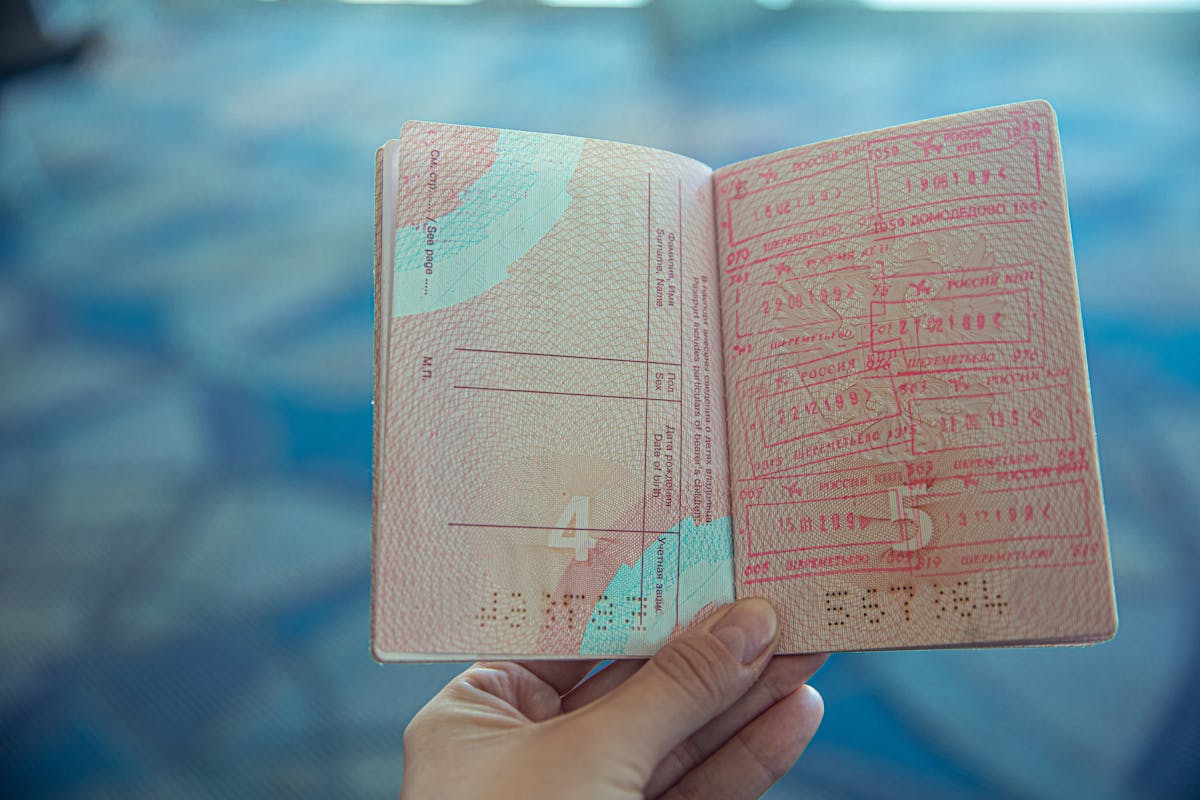
The UK ETA rules that apply to Wales are identical to those for the rest of the UK. Your ETA allows stays of up to six months per visit, is valid for two years, and permits multiple entries. You cannot work or study for more than six months on an ETA.
Every traveller needs their own ETA, including children. Apply through the official UK government website or app. The current fee is £20, raised from £16 on 8 April 2026.
When entering the UK, border officers may verify your ETA status. Your ETA is linked electronically to your passport, so there is no physical document to carry. However, always keep your passport with you during your stay. For full details on what to expect at the border, read our UK border control and customs guide.
Planning Checklist for Wales
- Apply for your UK ETA at least 72 hours before travel via the official government website
- Book trains early for the best fares on routes from London and Birmingham
- Pack waterproof clothing and dress in layers for changeable weather
- Consider hiring a car for exploring national parks and the coast
- Book castle and attraction tickets in advance during peak season
- Learn a few Welsh phrases to connect with local culture
- Check bank holiday dates as some attractions and services may have different hours
- Allow enough time to explore beyond the main cities and into the countryside
Wales offers an extraordinary blend of dramatic landscapes, ancient history, vibrant culture, and genuine warmth. From the peaks of Snowdonia to the beaches of Pembrokeshire, from medieval castles to modern Cardiff, this small country packs an enormous amount into a compact area. With your UK ETA approved, you are ready to discover everything Wales has to offer. For more travel planning resources, explore our complete UK ETA requirements guide.
 English
  العربية
  বাংলা
বাংলা  Български
  Català
  简体中文
简体中文  Hrvatski
  Čeština
  Dansk
Dansk  Nederlands
  Eesti
Eesti  Suomi
Suomi  Français
  Deutsch
  Ελληνικά
  עִבְרִית
  हिन्दी
  Magyar
  Íslenska
  Bahasa Indonesia
  Italiano
  日本語
日本語  한국어
한국어  Latviešu valoda
  Lietuvių kalba
  Bahasa Melayu
  Norsk bokmål
  Polski
  Português
  Română
  Slovenčina
  Slovenščina
  Español
  Svenska
  Türkçe
  Tiếng Việt