Key Takeaways
Complete guide to the UK ETA for Scotland. Covers Edinburgh, Glasgow, Highlands, whisky tours, driving tips, weather and practical travel advice for 2026.
Does the UK ETA Cover Scotland?
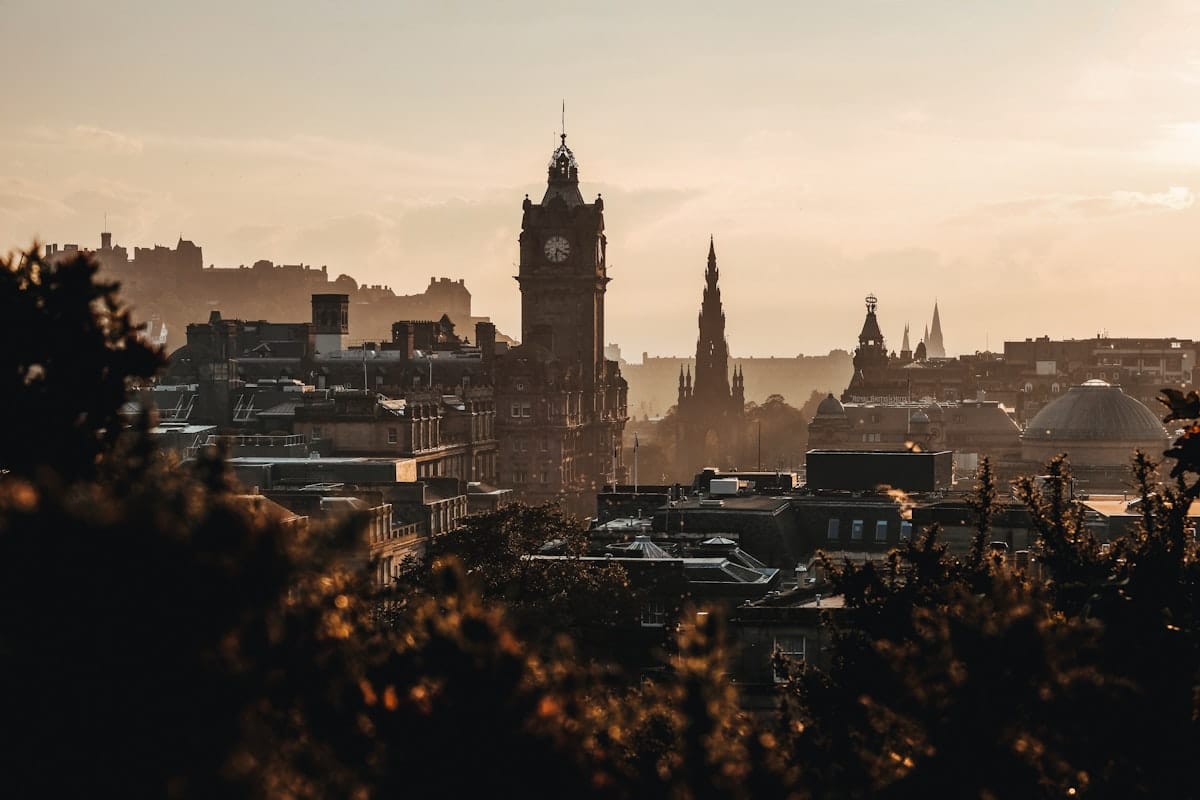
If you are planning a trip to Scotland in 2026, one of the first questions you may have is whether the UK Electronic Travel Authorisation (ETA) covers travel to Scotland. The answer is a clear yes. Scotland is part of the United Kingdom, and the ETA system applies equally across England, Scotland, Wales, and Northern Ireland. There is no separate visa or travel authorisation required specifically for Scotland.
Since 25 February 2026, all eligible international visitors must hold a valid UK ETA before travelling to any part of the United Kingdom. Whether you are flying into Edinburgh, Glasgow, or arriving by train from London, your ETA covers your entire stay across all four nations of the UK. The current ETA costs £20, is valid for two years, allows multiple entries, and permits stays of up to six months per visit.
This comprehensive guide covers everything international visitors need to know about travelling to Scotland with a UK ETA, from airports and transport links to must-see destinations and practical tips for getting the most out of your Scottish adventure.
Applying for Your UK ETA Before Visiting Scotland
Before booking flights or accommodation in Scotland, you should apply for your UK ETA. The application process is straightforward and handled entirely online through the official UK ETA app or website. You will need a valid passport, a recent digital photograph, and a payment method for the £20 fee.
Most applications are processed within minutes, though the UK government advises applying at least 72 hours before travel. During peak travel periods, particularly the summer months when Scotland is at its most popular, processing times may be slightly longer. For a detailed walkthrough of the application process, see our step-by-step UK ETA application guide.
It is worth noting that a planned increase to £20 is expected sometime in 2026, though no exact date has been confirmed. If you are planning a trip later in the year, applying sooner could save you a few pounds. You can check the latest requirements in our UK ETA requirements 2026 guide.
Airports in Scotland: Where to Fly Into
Scotland has several international airports, each offering convenient access to different parts of the country. Your choice of airport will depend on your itinerary and which region you want to explore first.
Edinburgh Airport (EDI)
Edinburgh Airport is Scotland largest and busiest airport, handling millions of passengers annually. Located approximately 13 kilometres west of Edinburgh city centre, it offers direct flights from major European cities, North America, and the Middle East. The airport is well connected to the city centre by tram (about 30 minutes), bus, and taxi. Edinburgh Airport is the best choice if you plan to explore the Scottish capital, the Borders region, or the east coast.
Glasgow Airport (GLA)
Glasgow Airport sits about 15 kilometres west of Glasgow city centre and serves as the main gateway to western Scotland, the Scottish Highlands, and the islands. Direct bus services connect the airport to Glasgow city centre in approximately 20 minutes. Glasgow is an excellent starting point for trips to Loch Lomond, the Trossachs, and the west coast islands including Skye and Mull.
Other Scottish Airports
Aberdeen Airport serves the northeast and is the gateway to Royal Deeside and the Cairngorms National Park. Inverness Airport is ideal for travellers heading directly to the Highlands, Loch Ness, and the North Coast 500 route. Smaller regional airports at Dundee, Prestwick, and across the Highlands and Islands offer additional options for reaching more remote destinations.

Getting to Scotland from England
Many international visitors arrive in London first and then travel north to Scotland. Several excellent transport options connect England and Scotland, and your ETA covers you throughout the entire journey.
London to Edinburgh by Train
The train journey from London King Cross to Edinburgh Waverley is one of the most scenic rail routes in Britain. The journey takes approximately four and a half hours on the LNER service and passes through beautiful English and Scottish countryside. Advance tickets can be surprisingly affordable if booked early. Read our detailed guide on buying UK train tickets online to secure the best fares.
Flying from London
Multiple airlines operate frequent flights between London airports and Edinburgh or Glasgow. The flight time is roughly one hour and fifteen minutes. Budget airlines often offer competitive fares, especially if booked well in advance. Check our guide to cheap flights in the UK for tips on finding the best deals.
Driving to Scotland
Driving from London to Edinburgh takes approximately seven to eight hours via the M1 and A1 motorways. This option offers the flexibility to stop at interesting places along the way, such as York, Durham, and the historic border town of Berwick-upon-Tweed. If you plan to drive in Scotland, our car hire and driving in Scotland guide covers everything from road rules to recommended routes.
Coach Travel
National Express and Megabus operate regular coach services between London and Scottish cities. While the journey takes eight to ten hours, overnight services are available and fares can be very low, sometimes under £20 if booked in advance.
Must-See Destinations in Scotland
Scotland offers an extraordinary range of experiences, from vibrant cities to remote wilderness. Here are the highlights that every visitor should consider.
Edinburgh
The Scottish capital is a city of dramatic contrasts, where medieval Old Town meets elegant Georgian New Town. Edinburgh Castle dominates the skyline from its volcanic rock perch, while the Royal Mile stretches downhill to the Palace of Holyroodhouse. Arthur Seat, an ancient volcano in the heart of the city, offers spectacular panoramic views. The city is also home to world-class museums, galleries, and a thriving food scene. Families travelling with children will find plenty to do, as covered in our guide to UK ETA for children and families.
Glasgow
Scotland largest city is a powerhouse of culture, architecture, and nightlife. The Kelvingrove Art Gallery and Museum, the Riverside Museum, and the Burrell Collection are all free to visit. Glasgow cathedral, dating from the 12th century, and the nearby Necropolis offer a fascinating glimpse into the city history. The city is also famous for its music scene, street art, and excellent restaurants.
The Scottish Highlands
The Highlands represent Scotland at its most dramatic and wild. Vast mountain ranges, deep lochs, and remote glens create landscapes that have inspired artists, writers, and filmmakers for centuries. Key destinations include Glen Coe, one of Scotland most photographed valleys, and the Cairngorms National Park, which offers hiking, skiing, and wildlife watching. For a complete Highland adventure, see our 10-day Scotland road trip itinerary.
Loch Ness and Inverness
No visit to Scotland is complete without a trip to Loch Ness, the legendary home of the Loch Ness Monster. The loch stretches for 37 kilometres and is surrounded by stunning scenery. Nearby Inverness, the capital of the Highlands, is a charming city with excellent restaurants, shops, and a riverside setting. Urquhart Castle, perched on the shores of Loch Ness, provides one of the most iconic views in Scotland.
The Isle of Skye
Connected to the mainland by a bridge, Skye is famous for its otherworldly landscapes, including the Old Man of Storr, the Fairy Pools, and the Quiraing. The island is a paradise for hikers, photographers, and anyone who appreciates raw natural beauty. Be prepared for changeable weather and book accommodation well in advance, especially during summer.
St Andrews
Known worldwide as the home of golf, St Andrews also boasts a prestigious university, medieval ruins, and beautiful beaches. The Old Course is a pilgrimage site for golfers, while the town itself is compact, charming, and easy to explore on foot.
Scottish Whisky Distilleries
Scotland is the undisputed home of Scotch whisky, and distillery tours are among the most popular visitor experiences. The Speyside region alone contains more than half of Scotland distilleries, including famous names that have been producing whisky for centuries. The Isle of Islay is renowned for its peaty, smoky whiskies, while distilleries in the Highlands, Lowlands, and on various islands each produce their own distinctive styles.
Most distilleries offer guided tours and tastings, typically lasting one to two hours and costing between £10 and £30. Booking in advance is recommended, particularly during summer. The Scotch Whisky Experience in Edinburgh provides an excellent introduction if you want to learn about the different regions and styles before visiting individual distilleries.
The Edinburgh Festival Season
Every August, Edinburgh transforms into the world largest arts festival city. The Edinburgh International Festival and the Edinburgh Festival Fringe together present thousands of performances across hundreds of venues. Comedy, theatre, music, dance, and spoken word fill every corner of the city, from grand concert halls to improvised venues in basements and car parks.
If you plan to visit during the festival, book accommodation months in advance, as the city fills up quickly and prices rise significantly. The festival runs throughout August, with some events starting in late July. Despite the crowds, it is an unforgettable experience and one of the best times to visit Edinburgh.
Weather in Scotland: What to Expect
Scottish weather is famously unpredictable, and conditions can vary dramatically from one region to another. Understanding what to expect will help you pack appropriately and plan your activities.
Temperature Differences from England
Scotland is generally cooler than England, particularly in the Highlands and on the islands. Summer temperatures in Edinburgh average between 12 and 19 degrees Celsius, compared to London typical 15 to 25 degrees. In the Highlands, temperatures can be several degrees lower still, and snow can linger on mountaintops well into May.
Rain and Wind
The west coast of Scotland is one of the wettest parts of the UK, receiving over 1,500 millimetres of rainfall annually. The east coast is noticeably drier. Wind is a constant feature, particularly on the islands and exposed hilltops. Waterproof clothing and layers are essential regardless of the season. For detailed packing advice, check our guide on the best time to visit the UK by month.
Daylight Hours
Scotland northern latitude means dramatic variations in daylight throughout the year. In midsummer, the far north of Scotland enjoys almost 19 hours of daylight, creating the magical phenomenon known as the simmer dim. In winter, however, daylight can be limited to just six or seven hours in the north, which affects sightseeing plans considerably.
Car Hire and Driving in Scotland
Hiring a car is the best way to explore Scotland beyond the major cities. Many of the most spectacular destinations, including the Highlands, islands, and coastal routes, are difficult or impossible to reach by public transport alone.
Driving on the Left
As with the rest of the UK, traffic in Scotland drives on the left side of the road. If you are not accustomed to this, take extra care at junctions and roundabouts. Many rural roads in the Highlands are single-track with passing places, requiring patience and courtesy. Our comprehensive driving in Scotland guide covers road rules, fuel stops, and navigation tips in detail.
The North Coast 500
Often called Scotland answer to Route 66, the North Coast 500 is a 516-mile route that loops around the northern Highlands. Starting and finishing in Inverness, the route passes through some of the most dramatic coastal scenery in Europe. Allow at least five to seven days to drive the route comfortably, with plenty of stops for walking, photography, and visiting local attractions.
Fuel and Facilities
In remote parts of the Highlands and on the islands, petrol stations can be far apart. It is wise to fill up whenever you have the opportunity, especially on Sundays when some rural stations may be closed. Mobile phone signal can also be patchy in remote areas, so download offline maps before setting off.
Practical Tips for Visiting Scotland
Currency and Payments
Scotland uses the British pound sterling, and Scottish banks issue their own banknotes which look different from Bank of England notes. Both are legal currency throughout the UK, though Scottish notes can occasionally cause confusion in England. Contactless payment is widely accepted, even in smaller towns and villages.
Language
English is spoken throughout Scotland, though you will encounter Scottish Gaelic on road signs and place names, particularly in the Highlands and islands. The Scottish accent varies considerably by region and can take some getting used to, but locals are generally friendly and happy to repeat themselves if asked.
Midges
Between late May and September, tiny biting insects called midges can be a significant nuisance in the Highlands, particularly near still water and in sheltered areas during calm, overcast conditions. Insect repellent, particularly formulations containing DEET or citronella, is highly recommended. A head net can be useful for hiking in heavily affected areas.
Accommodation
Scotland offers accommodation ranging from luxury castles and boutique hotels to budget hostels, bed and breakfasts, and self-catering cottages. In popular areas like Edinburgh, Skye, and the Highlands, booking well in advance is essential during summer and festival season. For Edinburgh accommodation recommendations, see our guide to UK border control and customs rules for what to expect upon arrival.
Tipping
Tipping customs in Scotland follow the same conventions as the rest of the UK. A tip of 10 to 15 percent is customary in restaurants if service is not already included. Tipping in pubs, cafes, and taxis is appreciated but not expected.
ETA Rules to Remember When Visiting Scotland
While your UK ETA covers all of Scotland, there are several important rules to keep in mind during your visit.
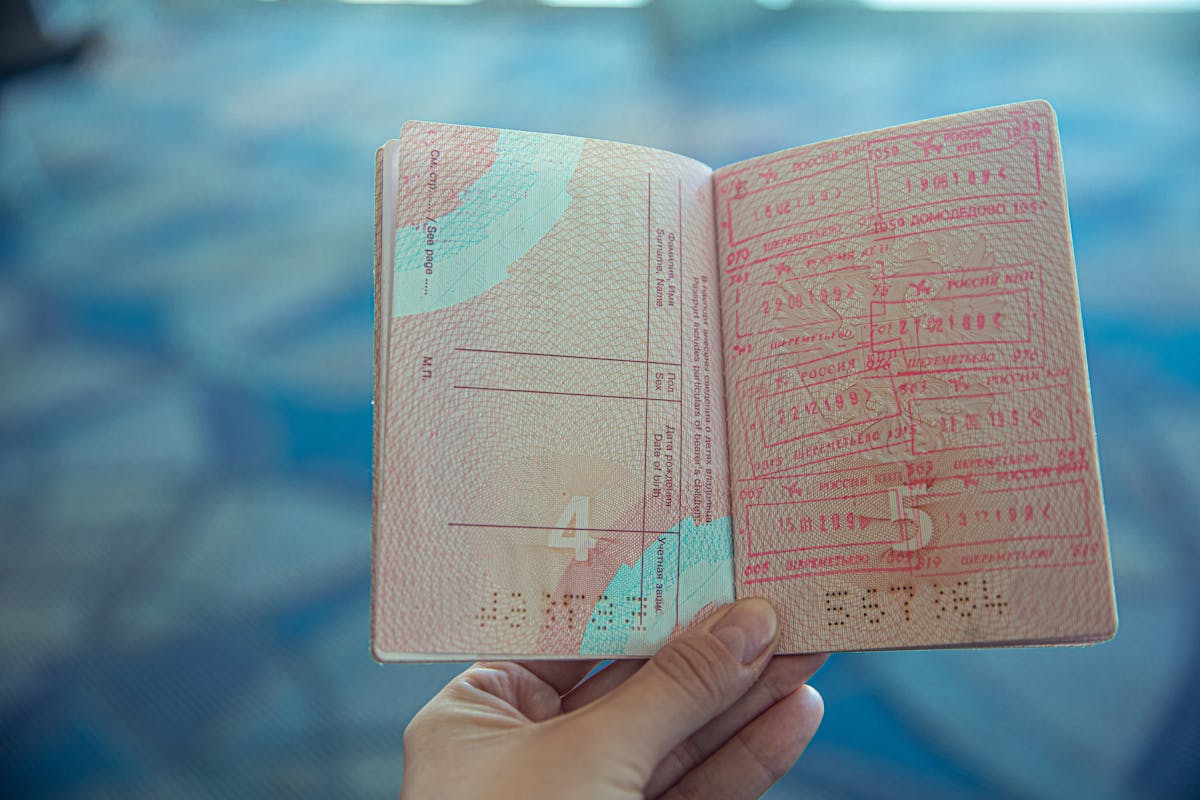
Your ETA allows stays of up to six months per visit. It is valid for two years from the date of issue and permits multiple entries during that period. You cannot work or access public funds with an ETA. If you plan to study for more than six months or take up employment, you will need a different type of visa.
If you are travelling with family, remember that every traveller needs their own ETA, including children. Our ETA guide for children and families provides detailed information on applying for the whole family.
Keep your passport with you at all times, as it is linked to your ETA. Border officers may check your ETA status at any UK port of entry, whether you arrive at Edinburgh Airport, Glasgow Airport, or travel overland from England. For comprehensive information on what to expect at the border, read our guide on UK border control and customs rules.
Planning Your Scotland Trip: A Quick Checklist
To make the most of your Scottish adventure, follow this planning checklist:
- Apply for your UK ETA at least 72 hours before travel through the official UK government website
- Book accommodation early, especially for summer and festival season
- Pack layers and waterproofs regardless of the time of year
- Consider hiring a car for exploring beyond Edinburgh and Glasgow
- Download offline maps for remote Highland areas
- Book distillery tours and popular attractions in advance
- Bring insect repellent if visiting the Highlands between May and September
- Check festival dates if you want to attend (or avoid) the Edinburgh Festival season
- Allow enough time for Scotland to surprise you, as most visitors wish they had stayed longer
Scotland is one of the most rewarding destinations in the United Kingdom, offering a unique blend of natural beauty, rich history, vibrant culture, and warm hospitality. With your UK ETA in hand, you are ready to explore everything this remarkable country has to offer. For more UK travel planning advice, visit our complete guide to UK ETA rules and costs.
 English
  العربية
  বাংলা
বাংলা  Български
  Català
  简体中文
简体中文  Hrvatski
  Čeština
  Dansk
Dansk  Nederlands
  Eesti
Eesti  Suomi
Suomi  Français
  Deutsch
  Ελληνικά
  עִבְרִית
  हिन्दी
  Magyar
  Íslenska
  Bahasa Indonesia
  Italiano
  日本語
日本語  한국어
한국어  Latviešu valoda
  Lietuvių kalba
  Bahasa Melayu
  Norsk bokmål
  Polski
  Português
  Română
  Slovenčina
  Slovenščina
  Español
  Svenska
  Türkçe
  Tiếng Việt