
Punti di forza
Londra senza spendere? Top 10 musei gratuiti, parchi e punti panoramici nel 2026 — l'itinerario perfetto per i visitatori con ETA che desiderano cultura a basso costo.
Londra è piena di musei di livello mondiale, parchi e punti panoramici che non prosciugheranno il tuo budget di viaggio. Le cose migliori da fare gratuitamente qui sono veramente gratuite — nessuna commissione nascosta, nessuna trappola pubblicitaria, solo vera cultura e viste spettacolari. Come visitatore ETA che esplora la capitale con un budget limitato, scoprirai che alcuni degli icon più amati della città sono accessibili senza un singolo sterlina. Dalla Stele di Rosetta del British Museum alle viste panoramiche della Tate Modern sul Tamigi, Londra ricompensa il viaggiatore curioso con profondità culturale a costo zero. Questa guida presenta dieci cose straordinarie da fare gratuitamente, più cerimonie bonus e consigli pratici per sfruttare al massimo la tua visita.
TL;DR: L'UK ETA è un'autorizzazione di viaggio digitale che costa £16 (aumenterà a £20 da aprile 2026), valida per 2 anni e per più visite fino a 6 mesi ciascuna. Presenta domanda online tramite l'app ufficiale UK ETA — la maggior parte delle decisioni arriva entro 3 giorni lavorativi. Obbligatoria prima di imbarcarsi su qualsiasi volo verso il Regno Unito da una nazionalità esente da visto.
| Quick Facts — UK ETA | |
|---|---|
| Tassa | £20 (aumento da £16 l'8 aprile 2026) |
| Validità | 2 anni |
| Tempo di elaborazione | 3 giorni lavorativi (fino a 14 in alcuni casi) |
| Voci multiple | Consentito |
| Soggiorno massimo per visita | 6 mesi |

1. British Museum – Antichi Tesori e Contesto Globale
Il British Museum a Bloomsbury rimane uno dei musei gratuiti più visitati al mondo, attirando otto milioni di visitatori ogni anno. La Stele di Rosetta domina la collezione egizia, il suo blocco di granito nero finalmente decifrato nel 1822 e che ha svelato i segreti dei geroglifici. Nelle vicinanze, i controversi Marmi di Elgin — o Sculture del Partenone — raccontano una storia contestata sulla proprietà culturale e l'impero. Posti come questo meritano tempo. Dedica almeno due o tre ore. Le gallerie rinascimentali e medievali, le collezioni asiatiche e la Reading Room (dove studarono Marx e Lennon) ricompensano una passeggiata più lenta. Tuttavia, sono suggerite donazioni di £15–20 per adulto, anche se l'ingresso rimane legalmente gratuito. Consiglio: visita a metà mattina nei lunedì fino alle serate di lunedì quando la folla diminuisce. Le strade circostanti di Bloomsbury offrono bancarelle di cibo e caffetterie indipendenti.

Suggerimento: Richiedi il tuo UK ETA almeno 1 settimana prima del viaggio. Anche se la maggior parte viene approvata entro 3 giorni lavorativi, alcune domande richiedono fino a 14 giorni per controlli aggiuntivi — specialmente per i richiedenti per la prima volta o per coloro con precedenti storia migratoria.
2. National Gallery – Van Gogh, Monet e Maestri dell'Arte Occidentale
La National Gallery di Trafalgar Square ospita oltre 2.300 dipinti che coprono sei secoli, tutti completamente gratuiti da visitare. I celebri Girasoli di Van Gogh dominano una sala, mentre gli Stagni d'acqua di Monet ti trasportano ai giardini galleggianti di Giverny. La collezione spazia dagli altarpieces medievali all'impressionismo del diciannovesimo secolo, rendendola essenziale per gli amanti dell'arte. Il layout del museo ti guida cronologicamente dalla Sainsbury Wing (medievale fino al Rinascimento) fino alle gallerie moderne. Di conseguenza, puoi curare il tuo percorso in base a ciò che ti emoziona. Una visita lampo di due ore sfiora appena la superficie; i veri appassionati d'arte dedicano quattro ore. Il piano terra ha WiFi gratuito, fontanelle d'acqua e un caffè. Effettivamente, la collezione della National Gallery è di tale qualità che molti viaggiatori tornano su più giorni durante il loro soggiorno a Londra per assorbire diverse sezioni. L'accesso con orario fisso non è richiesto; semplicemente arriva, sali i gradini ed entra.
3. Tate Modern – Arte Contemporanea e Viste sulla Senna
La Tate Modern occupa la vasta Bankside Power Station, un complesso generatore dismesso trasformato in una cattedrale di arte contemporanea. La galleria al quinto piano offre panorami ininterrotti attraverso il Tamigi verso la Cattedrale di St Paul e il distretto finanziario della City — probabilmente il miglior punto panoramico gratuito di Londra. La Turbine Hall, uno spazio industriale enorme che si estende per 150 metri, ospita installazioni su larga scala che ruotano e provocano ispirazione. La Tate Modern sfuma il confine tra una visita a un museo e un'esperienza fisica. Il Millennium Bridge, che collega la galleria alla cattedrale, è un passaggio fotogenico in sé. Il layout è ampio, quindi dedica una buona mezza giornata — circa tre ore. I livelli superiori dell'edificio presentano esposizioni rotanti di scultura contemporanea, arte video e performance. Al contrario, il negozio e la maggior parte dei servizi di ristorazione sono a pagamento; porta una tua bottiglia d'acqua. Gli slot temporali sono gratuiti ma consigliati durante le ore di punta (11:00 alle 16:00 nei giorni feriali).
4. Museo di Storia Naturale – Dinosauri, Balene e Meraviglia
La Natural History Museum accoglie i visitatori con lo scheletro sospeso di una balenottera blu nella Hintze Hall—un leviatano di 25 metri che mette in ombra la comprensione umana. Le gallerie dei dinosauri, che si estendono su tre livelli, ospitano calchi di Diplodocus e Tyrannosaurus rex, rendendola ideale per famiglie e appassionati di fossili. Di conseguenza, è tra i musei più visitati del mondo, e giustamente. L'edificio stesso, un capolavoro del Gotico vittoriano su Cromwell Road, è architettonicamente straordinario. Oltre alle attrazioni principali, cerca la galleria dell'Evoluzione umana, le collezioni di Mineralogia e Rocce, e il simulatore di terremoti. Tuttavia, aspettati code durante le vacanze scolastiche e i fine settimana; arrivare alle 09:30 nei giorni feriali garantisce attese più brevi. Le zone interattive mantengono i bambini occupati per ore. E sei viziato dalla scelta nelle vicinanze: la V&A (anch'essa gratuita) si trova a cinque minuti di cammino in South Kensington, facile da associare in un'unica giornata. Le donazioni sono richieste ma non obbligatorie.
5. Victoria and Albert Museum – Design, Moda e Arti Applicate
La V&A di South Kensington celebra la creatività umana attraverso 145 gallerie di moda, gioielleria, arredamento e arti decorative che si estendono su quattro millenni. La mostra Dress Code ripercorre l'evoluzione della moda dalle silhouette Tudor all'alta moda contemporanea. Similmente, la Silver Gallery brilla di argenteria britannica ed europea. L'ingresso gratuito la rende eccezionale tra le grandi collezioni della capitale. I cortili e gli interni dell'edificio ispirano tanto quanto gli oggetti esposti. Dedica un paio di ore senza fretta e scegli una o due sezioni piuttosto che affrettarsi attraverso il tutto. Le British Galleries, su tre piani, ripercorrono l'eccellenza del design dal 1500 in poi. Non perderti i Cast Courts: i loro calchi in gesso di sculture celebri mettono i capolavori rinascimentali a portata di mano. Il café del museo serve ottimo caffè e afternoon tea (a pagamento). In breve, soddisfa architetti e amanti della moda con genuina profondità.

6. Sky Garden al Walkie Talkie – Altezze Gratuite e Viste a Trecentosessanta Gradi
Sky Garden si trova in cima a 20 Fenchurch Street, colloquialmente l'edificio "Walkie Talkie", offrendo finestre da pavimento a soffitto e viste panoramiche di Londra completamente gratuite da visitare. Tuttavia, l'accesso richiede una prenotazione con orario programmato fino a tre settimane in anticipo tramite il sito web di Fenchurch Street. Pertanto, pianifica in anticipo; il giardino apre a slot finali alle 06:00, e le serate estive si riempiono rapidamente. Lo spazio a tre livelli include posti a sedere, un ristorante pubblico e piantagioni curate che cambiano stagionalmente. Inoltre, vedrai il Tamigi, il Tower Bridge, lo Shard e Canary Wharf da questo punto di osservazione privilegiato della City. L'esperienza è genuinamente gratuita una volta prenotata; nessuna spesa minima richiesta. Di conseguenza, le visite al tramonto (aprile–maggio intorno alle 20:30) offrono opportunità di fotografia all'ora d'oro. Invece, l'esperienza è necessariamente affollata; gli slot delle prime ore del mattino (08:00–09:30) offrono solitudine. Sono disponibili servizi igienici pubblici; porta acqua per stare idratato. L'esperienza di Sky Garden si colloca tra i tesori nascosti gratuiti di Londra per gli appassionati di architettura e fotografia.

7. Greenwich Park e il Primo Meridiano – Punti di Osservazione Storici
Greenwich Park si estende su 74 acri su una collina nel sud-est di Londra, offrendo il Royal Observatory arroccato in cima e il Primo Meridiano che corre attraverso i suoi terreni. L'ingresso al parco è completamente gratuito; l'Osservatorio a pagamento (£17,50 adulti) è facoltativo. Pertanto, puoi camminare fino al marker del Primo Meridiano, stare a cavallo della longitudine zero e scattare foto senza costi. Il vertice del parco offre viste panoramiche su Londra verso la City e oltre. Inoltre, i giardini formali, i viali alberati e lo spazio aperto creano un rifugio tranquillo dalla folla della città. Di conseguenza, Greenwich Park è ideale per camminatori e fotografi che cercano attrazioni londinesi gratuite con risonanza storica. Il vicino Greenwich Market vende oggetti vintage, antiquariato e cibo di strada (a pagamento). Inoltre, la vicina nave veliera Cutty Sark (ingresso a pagamento, £15) si trova al di là del perimetro del parco se la curiosità coglie. Le strutture pubbliche includono numerosi caffè, fontanelle d'acqua e eccellenti servizi igienici. Pianificare da 1,5 a due ore per una visita soddisfacente.
8. Hampstead Heath – Parliament Hill e Stagni Segreti
Hampstead Heath, 320 acri di parco selvaggio a nord-ovest di Londra, offre Parliament Hill come suo punto di vista caratteristico—catturando lo skyline della City, la cupola di St Paul's e i sobborghi che si estendono fino alle colline lontane in giorni sereni. Non c'è alcuna tassa di ingresso. La Heath mantiene anche tre ponds per nuotare (aperti da maggio a settembre)—due per donne, uno per uomini—per un bagno all'aperto molto britannico (piccola tassa: £2–3). Di conseguenza, Hampstead Heath attrae escursionisti, nuotatori e vagabondi contemplativi. Il paesaggio sembra rurale nonostante sia a minuti dalla metropolitana—ideale se vuoi sfuggire la città per un pomeriggio. Sentieri nel bosco, prati estivi fitti di fiori selvatici e radure nascoste percorrono l'intera distesa. Il villaggio circostante di Hampstead contiene negozi di antiquariato e gastropub (a pagamento). Pertanto, abbinare una passeggiata su Hampstead Heath con un pranzo in un pub vicino crea un'escursione di un'intera giornata. Metti da parte due o tre ore per renderle giustizia. I ponds e i prati sembrano un mondo lontano dal sentiero turistico.
9. Primrose Hill – Panorami al Tramonto e Viste per Picnic
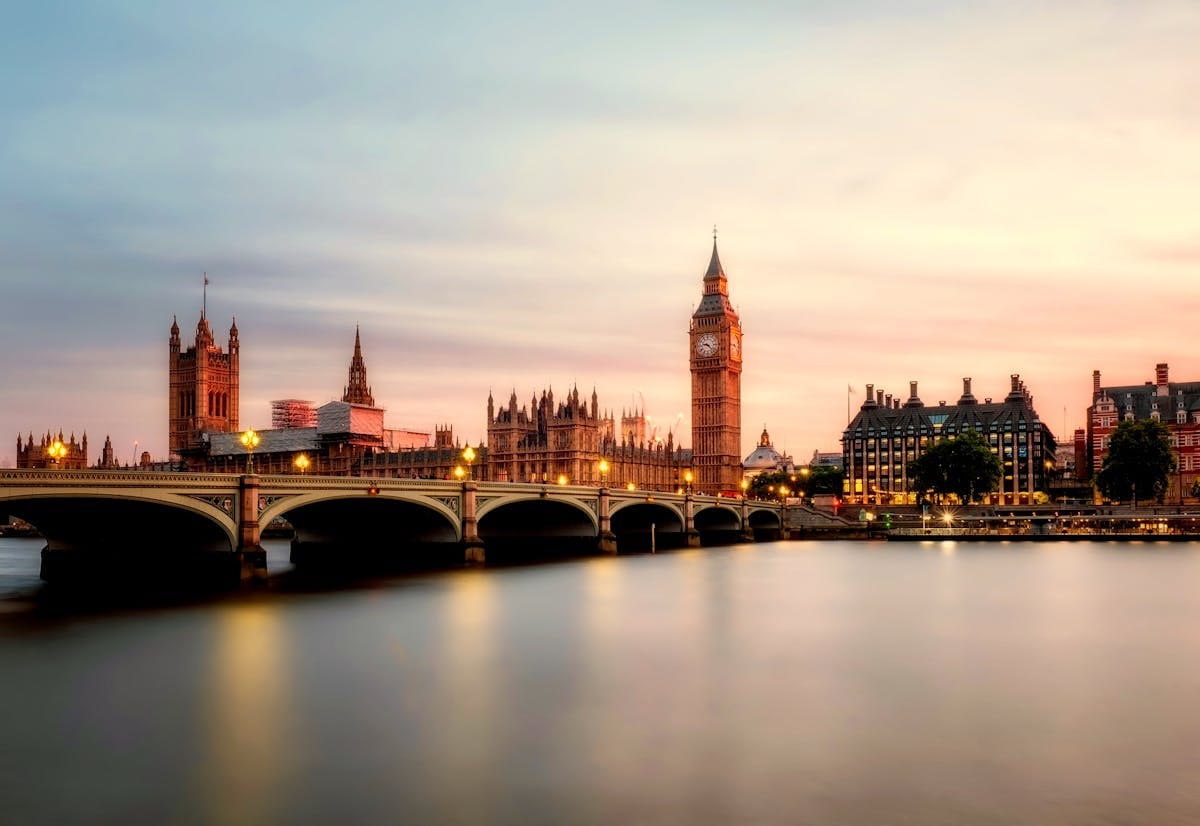
Primrose Hill, un modesto parco di 63 acri a nord di Regent's Park, offre una delle viste al tramonto più fotografiche di Londra al crepuscolo. La cima della collina, raggiunta da una delicata scalata di cinque minuti, fornisce una vista ininterrotta verso ovest verso le Houses of Parliament, Big Ben, London Eye e le torri del West End immerse nella luce serale. L'ingresso è gratuito; non è richiesta prenotazione. Per fotografi e romantici, Primrose Hill è uno dei segreti meglio custoditi di Londra. I locali superano in numero i turisti qui, e si vede nell'atmosfera da villaggio tranquillo. Le strade circostanti sono fiancheggiate da café indipendenti, negozi vintage e ristoranti che riflettono la vena creativa dell'area. Lo Zoo di Regent's Park vicino (a pagamento, £31 adulti) è adiacente se gli animali ti interessano. Pertanto, combinare una visita al tramonto di Primrose Hill con una cena vicina crea una serata memorabile. I prati del parco e i sentieri alberati incoraggiano passeggiate tranquille. Porta una coperta da picnic e snack per una riunione al tramonto.
10. Leadenhall Market e City of London Walks – Strade Medievali e Cortili Nascosti
Nascosto all'interno della Square Mile, Leadenhall Market è un'arcade vittoriana coperta con radici che risalgono ai 1300. Non costa nulla passeggiare, e rimane aperto ai pedoni anche al di fuori dell'orario di apertura. L'atmosfera è pura Dickens: vicoli stretti, soffitti ad arco e vecchie vetrine. Le strade attorno ad esso formano un circuito a piedi che include l'esterno di St Paul's, il Monument (a pagamento, £6), vicoli medievali e i sentieri lungo il Tamigi. Gran parte di questo quartiere è stato ricostruito dopo il Grande Incendio del 1666, e le lapidi ancora segnano dove sorgevano i monumenti perduti. Pertanto, una passeggiata strutturata che combina Leadenhall, l'esterno del Monument, il belvedere di Tower Bridge e i sentieri lungo il fiume crea un circuito di tre ore. I pub costellano il percorso e molti offrono pranzi economici (£10–15). Percorrerlo non costa nulla. Vieni nel fine settimana e le strade sono silenziose; in una mattina feriale ronzano di impiegati—due atmosfere molto diverse. Di conseguenza, i visitatori traggono vantaggio dalle visite al mattino quando le folle di affari si disperdono.
A colpo d'occhio: Tabella di confronto
| Attrazione | Posizione | Il momento migliore per visitarlo | Caratteristiche principali | Consiglio per il Budget |
|---|---|---|---|---|
| Museo Britannico | Bloomsbury (WC1) | Lunedì–venerdì mattine | Stele di Rosetta, Marmi d'Elgin, mummie egiziane | Arriva tra le 09:00–10:00 per evitare la folla |
| Galleria Nazionale | Trafalgar Square (WC2) | Pomeriggi dei giorni feriali | Girasoli di Van Gogh, Ninfee di Monet, arte medievale fino all'impressionismo | Ingresso senza orario fissato; WiFi gratuito e caffetteria |
| Tate Modern | Bankside (SE1) | 10:00–16:00 giorni feriali (code più brevi) | Turbine Hall, viste sul Tamigi al livello 10, installazioni di arte contemporanea | Prenota gratuitamente una fascia oraria online; attraversamento del Millennium Bridge incluso |
| Museo di Storia Naturale | Cromwell Road (SW7) | 09:30–11:00 nelle mattinate dei giorni feriali | Balenottera azzurra, dinosauri, Simulatore di terremoti, Architettura vittoriana | Le vacanze scolastiche portano code di 45 minuti; visita durante il periodo scolastico |
| Victoria & Albert Museum | Cromwell Road (SW7) | 11:00–15:00 nei giorni feriali | Storia della moda, argenteria, gioielleria, design in quattro millenni | Combinare con il vicino Museo di Storia Naturale per una giornata completa |
| Sky Garden (Walkie Talkie) | 20 Fenchurch Street (EC3) | 06:00 o 17:00–18:30 (slot al tramonto) | Viste a 360° di Londra, spazi per piantare, finestre da pavimento a soffitto | Prenota 3 settimane in anticipo; gli slot mattutini sono più tranquilli del tramonto |
Domande frequenti
Devo prenotare lo Sky Garden tre settimane in anticipo?
Sì. Sky Garden funziona con un sistema di accesso temporizzato e gli slot si riempiono rapidamente. Visita il sito web di Fenchurch Street e prenota immediatamente al tuo arrivo a Londra. Gli slot delle prime ore del mattino sono generalmente disponibili anche con breve preavviso, ma gli orari del tramonto si esauriscono settimane prima. I disdette si verificano; controlla il sito web quotidianamente durante il tuo soggiorno.
I grandi musei sono veramente gratuiti, o le donazioni sono obbligatorie?
L'ingresso al museo è legalmente gratuito (nessun costo alla cassa), ma i contributi suggeriti di £15–20 sono visualizzati in modo evidente. Puoi entrare senza donare. Tuttavia, le donazioni supportano la conservazione e la programmazione, quindi il tuo contributo è apprezzato. I musei sopravvivono grazie a sovvenzioni, donazioni e ricavi dal negozio, non da biglietti d'ingresso.
Qual è il giorno e l'ora migliore per visitare il British Museum con la minima affluenza?
Da lunedì a venerdì le mattinate tra le 09:00 e le 11:00 sono le più tranquille. I mercoledì e venerdì sera (fino alle 20:30 o più tardi) attirano meno famiglie ma mantengono i turisti culturali. Evitare completamente i fine settimana e le vacanze scolastiche; il periodo intermedio (martedì–giovedì) è ottimale. Le vacanze estive (luglio–agosto) portano folle internazionali.
Posso portare cibo e coperte a Hampstead Heath e Primrose Hill per i picnic?
Assolutamente. Entrambi i parchi accolgono i picnic. Porta il tuo cibo, coperte e acqua. Hampstead Heath ha strutture di caffetteria, ma i prezzi sono più alti rispetto ai supermercati. Il villaggio vicino di Primrose Hill ha negozi indipendenti. Gli stagni per nuotare (Hampstead Heath) richiedono una piccola tariffa (£2–3 stagione estiva) e devono essere accessibili durante gli orari di apertura (07:00–tramonto).
Leadenhall Market è sicuro e accessibile per i visitatori in qualsiasi momento?
Sì. Leadenhall Market è aperto al traffico pedonale 24/7, anche se i negozi hanno orari di apertura standard (tipicamente 10:00–18:00 giorni feriali, ridotto nei weekend). I passaggi vittoriani stretti sono ben illuminati. Le strade circostanti della City of London sono affollate durante le ore lavorative dei giorni feriali (più sicure, più affollate) e tranquille nei weekend. Evita di visitare da solo a tarda sera; visita durante le ore diurne per la migliore esperienza.
Quali musei sono migliori se visito con bambini?
Il Natural History Museum vince per i bambini sotto i 12 anni (dinosauri, scheletro di balena, zone interattive). La Turbine Hall della Tate Modern offre spazi imponenti che affascinano i visitatori più giovani. Le sale delle mummie e le gallerie egiziane del British Museum coinvolgono i bambini più grandi. Le gallerie di moda del V&A attraggono gli adolescenti. Tutte sono gratuite e accessibili alle sedie a rotelle.
Cosa dovrei fare se piove durante la mia visita?
Il British Museum, National Gallery, Tate Modern, Natural History Museum e V&A sono tutti coperti. Il tetto vittoriano di Leadenhall Market fornisce riparo. Sky Garden offre viste racchiuse nel vetro anche in caso di maltempo. In alternativa, esplora le sezioni sotterranee dei musei o ritirati in un café. Nessuno dei posti che ho elencato dipende da bel tempo per valere la pena. Porta un ombrello e procedi; la maggior parte dei musei in realtà sembra più affascinante durante i giorni piovosi.
Per indicazioni ufficiali e per fare domanda, consulta gov.uk — Richiedi un'Autorizzazione Elettronica di Viaggio nel Regno Unito.
Per il nostro hub di risorse principale UK ETA, visita visaeta.uk — guida ufficiale UK ETA.
Articoli UK ETA correlati
- Cose da fare gratis a Londra 2026: le 25 attività principali
- Londra con Budget 2026: Come Vedere Tutto per Meno di £50 al Giorno
- Londra con i bambini: Itinerario per famiglie di 3-5 giorni
- Guida completa: musei per famiglie a Londra
- Le migliori gite di un giorno da Londra in treno: 15 destinazioni Guida 2026
- Spring in London 2026: Events, Weather & Travel Tips
- Londra durante i saldi invernali: consigli per lo shopping
- British Museum London Guide
- Crociera sul Tamigi: consigli pratici per il vostro viaggio in battello
- Il momento migliore per visitare il Regno Unito nel 2026: guida mese per mese
 English
  العربية
  বাংলা
বাংলা  Български
  Català
  简体中文
简体中文  Hrvatski
  Čeština
  Dansk
Dansk  Nederlands
  Eesti
Eesti  Suomi
Suomi  Français
  Deutsch
  Ελληνικά
  עִבְרִית
  हिन्दी
  Magyar
  Íslenska
  Bahasa Indonesia
  Italiano
  日本語
日本語  한국어
한국어  Latviešu valoda
  Lietuvių kalba
  Bahasa Melayu
  Norsk bokmål
  Polski
  Português
  Română
  Slovenčina
  Slovenščina
  Español
  Svenska
  Türkçe
  Tiếng Việt