
Key Takeaways
London without spending? Top 10 free museums, parks and viewpoints in 2026 — the perfect itinerary for ETA visitors who want culture on a budget.
London brims with world-class museums, parks, and viewpoints that won’t drain your travel budget. The best free things to do here are genuinely free—no hidden fees, no sponsorship traps, just real culture and knockout views. As an ETA visitor exploring the capital on a budget, you’ll find that some of the city’s most beloved icons are accessible without a single pound sterling. From the British Museum’s Rosetta Stone to the Tate Modern’s panoramic vistas over the Thames, London rewards the curious traveller with cultural depth at zero cost. This guide showcases ten remarkable free things to do, plus bonus ceremonies and practical booking tips to maximise your visit.
TL;DR: The UK ETA is a digital travel authorisation costing £20 (up from £16 on 8 April 2026), valid for 2 years and multiple visits up to 6 months each. Apply online via the official UK ETA app — most decisions arrive within 3 working days. Required before boarding any flight to the UK from a visa-exempt nationality.
| Quick Facts — UK ETA | |
|---|---|
| Fee | £20 (up from £16 on 8 April 2026) |
| Validity | 2 years |
| Processing time | 3 working days (up to 14 in some cases) |
| Multiple entries | Allowed |
| Max stay per visit | 6 months |

1. British Museum – Ancient Treasures and Global Context
The British Museum in Bloomsbury remains one of the world’s most visited free museums, drawing eight million visitors annually. The Rosetta Stone dominates the Egyptian collection, its black granite slab finally deciphered in 1822 and unlocking the secrets of hieroglyphics. Nearby, the controversial Elgin Marbles—or Parthenon Sculptures—tell a contested story about cultural ownership and empire. Places like this reward time. Give it two or three hours at least. The Renaissance and Medieval galleries, the Asian collections, and the Reading Room (where Marx and Lennon studied) all repay a slower wander. However, donations are suggested at £15–20 per adult, though entry remains legally free. Pro tip: visit mid-morning on Mondays to Monday evenings when crowds thin. Bloomsbury’s surrounding streets offer food stalls and independent cafés.

Pro tip: Apply for your UK ETA at least 1 week before travel. Even though most are approved within 3 working days, some applications take up to 14 days for additional checks — especially for first-time applicants or those with prior immigration history.
2. National Gallery – Van Gogh, Monet, and Western Art Masters
Trafalgar Square’s National Gallery holds over 2,300 paintings spanning six centuries, all entirely free to enter. Van Gogh’s iconic Sunflowers command a room, whilst Monet’s Water Lilies transport you to Giverny’s floating gardens. The collection runs from medieval altarpieces through to nineteenth-century impressionism, making it essential for art lovers. The museum’s layout guides you chronologically from the Sainsbury Wing (medieval through Renaissance) through to modern galleries. Consequently, you can curate your own route based on what moves you. A whistle-stop two-hour visit scratches the surface; serious art enthusiasts block four hours. The ground floor has free WiFi, water fountains, and a café. Indeed, the National Gallery’s collection is of such quality that many travellers return on multiple days during their London stay to absorb different sections. Timed entry is not required; simply arrive, climb the steps, and enter.
3. Tate Modern – Contemporary Art and Thames Vistas
Tate Modern occupies the vast Bankside Power Station, a decommissioned generator complex transformed into a cathedral of contemporary art. The fifth-floor viewing gallery offers unobstructed panoramas across the Thames to St Paul’s Cathedral and the City’s financial district—arguably London’s best free viewpoint. The Turbine Hall, a soaring industrial void spanning 150 metres, hosts rotating large-scale installations that provoke and inspire. Tate Modern blurs the line between a museum visit and a physical experience. The Millennium Bridge, linking the gallery to the cathedral, is a photogenic crossing in its own right. The layout is expansive, so allow a good half-day—roughly three hours. The building’s upper levels showcase rotating displays of contemporary sculpture, video art, and performance pieces. Conversely, the shop and most catering is paid; bring your own water bottle. Timed slots are free but recommended during peak hours (11:00 to 16:00 weekdays).
4. Natural History Museum – Dinosaurs, Whales, and Wonder
The Natural History Museum’s Hintze Hall greets you with a suspended blue whale skeleton—a 25-metre leviathan that dwarfs human comprehension. The dinosaur galleries, spanning three levels, house Diplodocus and Tyrannosaurus rex casts, making it ideal for families and fossil enthusiasts. Consequently, this is among the most visited museums in the world, and deservedly so. The building itself, a Victorian Gothic masterpiece on Cromwell Road, is architecturally stunning. Beyond the big draws, seek out the Human Evolution gallery, the Mineralogy and Rock exhibits, and the Earthquake simulator. However, expect queues during school holidays and weekends; arriving by 09:30 weekday mornings ensures shorter waits. Interactive zones keep children busy for hours. And you’re spoiled for choice nearby: the V&A (free too) sits a five-minute walk away in South Kensington, easy to pair in one day. Donations are requested but not enforced.
5. Victoria and Albert Museum – Design, Fashion, and Applied Arts
South Kensington’s V&A celebrates human creativity across 145 galleries of fashion, jewellery, furniture, and decorative arts spanning four millennia. The Dress Code exhibition charts fashion evolution from Tudor silhouettes to contemporary haute couture. Similarly, the Silver Gallery gleams with British and European silversmithing. Free admission makes it a standout among the capital’s great collections. The building’s courtyards and interiors inspire as much as the objects displayed. Give it a couple of unhurried hours and pick one or two sections rather than rushing the lot. The British Galleries, across three floors, chart design excellence from 1500 onwards. Don’t miss the Cast Courts: their plaster casts of famous sculptures put Renaissance masterworks within arm’s reach. The museum’s café serves excellent coffee and afternoon tea (paid). In short, it rewards architecture buffs and fashion lovers alike with genuine depth.

6. Sky Garden at the Walkie Talkie – Free Heights and Three-Hundred-Sixty-Degree Views
The Sky Garden sits atop 20 Fenchurch Street, colloquially the ‘Walkie Talkie’ building, offering floor-to-ceiling windows and panoramic London vistas entirely free to enter. However, access requires a timed booking made up to three weeks in advance through the Fenchurch Street website. Therefore, plan ahead; the garden opens to 06:00 finalists slots, and summer evenings fill quickly. The three-level space includes seating, a public restaurant, and curated planting that shifts with the seasons. From this high City perch you’ll pick out the Thames, Tower Bridge, the Shard, and Canary Wharf. The experience is genuinely free once booked; no minimum spending required. Consequently, sunset visits (April–May around 20:30) offer golden-hour photography opportunities. Conversely, the experience is necessarily crowded; early morning slots (08:00–09:30) provide solitude. Public loos are available; bring water to stay hydrated. The Sky Garden experience ranks among London’s hidden free treasures for architectural and photographic enthusiasts.

7. Greenwich Park and the Prime Meridian – Historic Vantage Points
Greenwich Park stretches 74 acres across a hillside in south-east London, offering the Royal Observatory perched at its crown and the Prime Meridian running through its grounds. Entry to the park is entirely free; the paid Observatory (£17.50 adults) is optional. Therefore, you can walk to the Prime Meridian marker, stand astride zero longitude, and capture photos at no cost. The park’s summit delivers sweeping views across London towards the City and beyond. Formal gardens, tree-lined avenues, and open grassland make a calm retreat from the crowds. Consequently, Greenwich Park is ideal for walkers and photographers seeking free London attractions with historical resonance. The adjacent Greenwich Market sells vintage goods, antiques, and street food (paid). Just beyond the park’s edge, the Cutty Sark clipper ship (paid entry, £15) waits if curiosity strikes. Public facilities include multiple cafés, water fountains, and excellent loos. Plan 1.5 to two hours for a satisfying visit.
8. Hampstead Heath – Parliament Hill and Secret Ponds
Hampstead Heath, 320 acres of wild parkland in north-west London, offers Parliament Hill as its signature viewpoint—capturing the City skyline, the dome of St Paul’s, and suburbs stretching to distant hills on clear days. There’s no entry fee at all. The Heath also keeps three swimming ponds (open May–September)—two for women, one for men—for a very British open-water dip (small fee: £2–3). Consequently, Hampstead Heath appeals to hikers, swimmers, and contemplative wanderers. The landscape feels rural despite being minutes from the Underground—ideal if you want to escape the city for an afternoon. Woodland trails, summer meadows thick with wildflowers, and hidden clearings lace the whole expanse. The surrounding village of Hampstead contains antique shops and gastropubs (paid). Therefore, pairing a Heath walk with a nearby pub lunch creates a full day’s outing. Set aside two or three hours to do it justice. The ponds and meadows feel a world away from the tourist trail.
9. Primrose Hill – Sunset Skylines and Picnic Vistas
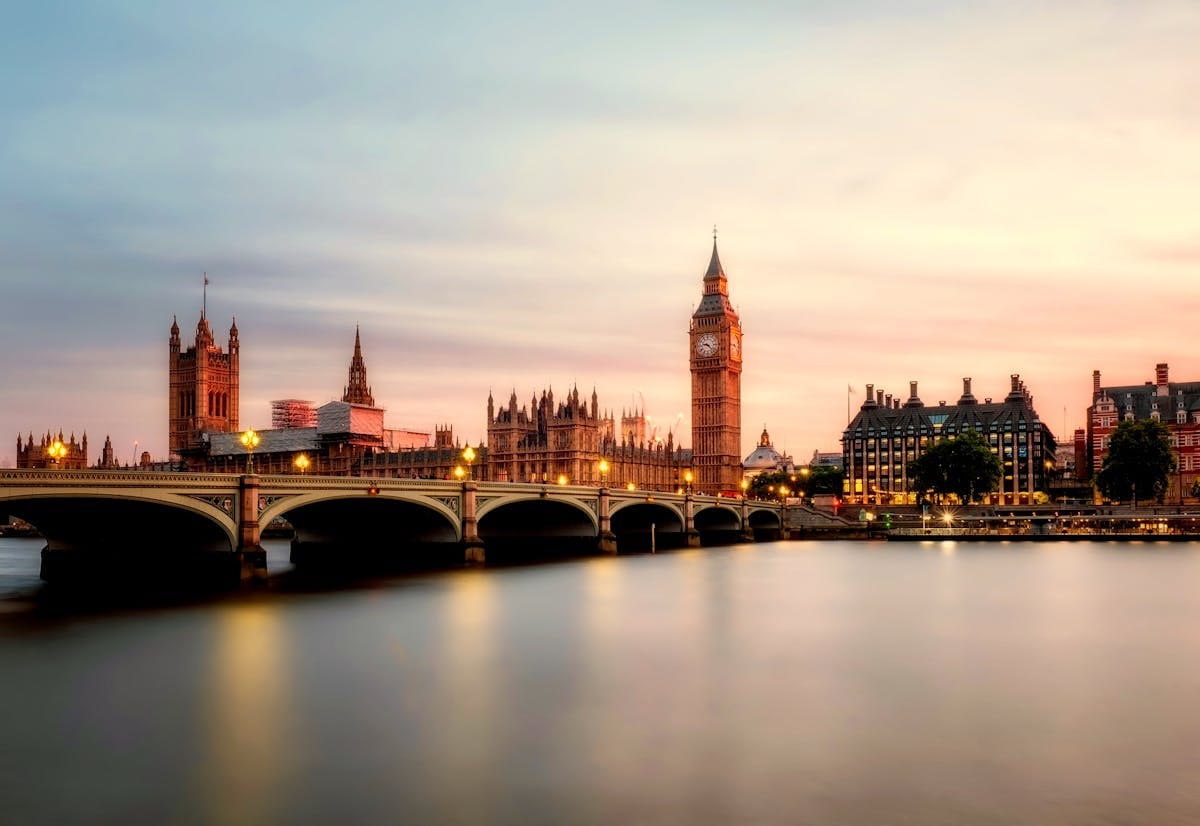
Primrose Hill, a modest 63-acre park north of Regent’s Park, offers one of London’s most photogenic sunset vistas at dusk. The hill’s summit, reached by a gentle five-minute climb, provides an unobstructed view westward towards the Houses of Parliament, Big Ben, London Eye, and the West End towers bathed in evening light. Entry is free; no booking required. For photographers and romantics, Primrose Hill is one of London’s best-kept secrets. Locals outnumber tourists here, and it shows in the easy village feel. The surrounding streets are lined with independent cafés, vintage shops, and restaurants that reflect the area’s creative streak. The nearby Regent’s Park Zoo (paid, £31 adults) is adjacent if wildlife appeals. Therefore, combining a Primrose Hill sunset visit with a nearby dinner creates a memorable evening. The park’s meadows and tree-lined paths encourage leisurely strolls. Bring a picnic blanket and snacks for a sunset gathering.
10. Leadenhall Market and City of London Walks – Medieval Streets and Hidden Courtyards
Tucked inside the Square Mile, Leadenhall Market is a covered Victorian arcade with roots reaching back to the 1300s. It costs nothing to wander, and stays open to pedestrians even outside trading hours. The mood is pure Dickens: narrow lanes, arched ceilings, and old shop fronts. The streets around it form a walking circuit taking in the exterior of St Paul’s, the Monument (paid, £6), medieval alleyways, and riverside Thames paths. Much of this quarter was rebuilt after the Great Fire of 1666, and plaques still mark where lost landmarks once stood. Therefore, a structured walk combining Leadenhall, the Monument’s exterior, Tower Bridge’s viewpoint, and riverside paths creates a three-hour circuit. Pubs dot the route, and many do affordable lunch sets (£10–15). Walking it costs nothing. Come on a weekend and the streets are hushed; on a weekday morning they hum with office workers—two very different moods. Consequently, visitors benefit from morning visits when business crowds depart.
At a Glance: Comparison Table
| Attraction | Location | Best Time to Visit | Key Features | Budget Tip |
|---|---|---|---|---|
| British Museum | Bloomsbury (WC1) | Monday–Friday mornings | Rosetta Stone, Elgin Marbles, Egyptian mummies | Arrive 09:00–10:00 to avoid crowds |
| National Gallery | Trafalgar Square (WC2) | Weekday afternoons | Van Gogh Sunflowers, Monet Water Lilies, medieval through impressionist art | No timed entry needed; free WiFi and café |
| Tate Modern | Bankside (SE1) | 10:00–16:00 weekdays (fewer queues) | Turbine Hall, level 10 Thames views, contemporary art installations | Book free timed slot online; Millennium Bridge crossing included |
| Natural History Museum | Cromwell Road (SW7) | 09:30–11:00 on weekday mornings | Blue whale, dinosaurs, Earthquake simulator, Victorian architecture | School holidays bring 45-minute queues; visit during term |
| Victoria & Albert Museum | Cromwell Road (SW7) | 11:00–15:00 on weekdays | Fashion history, silverware, jewellery, design across four millennia | Combine with nearby Natural History Museum for full day |
| Sky Garden (Walkie Talkie) | 20 Fenchurch Street (EC3) | 06:00 or 17:00–18:30 (sunset slots) | 360° London views, planting spaces, floor-to-ceiling windows | Book 3 weeks ahead; early morning slots quieter than sunset |
Frequently Asked Questions
Do I need to book the Sky Garden three weeks in advance?
Yes. Sky Garden operates on a timed-entry system, and slots fill quickly. Visit the Fenchurch Street website and reserve immediately upon arrival in London. Early morning slots are typically available even at short notice, but sunset times book out weeks ahead. Cancellations do occur; check the website daily during your stay.
Are the major museums genuinely free, or are donations mandatory?
Museum entry is legally free (no charge at the desk), but suggested donations of £15–20 are displayed prominently. You may enter without donating. However, donations support conservation and programming, so contributing what you can is appreciated. The museums survive on grants, donations, and shop revenue, not admission fees.
What is the best day and time to visit the British Museum with minimal crowds?
Monday to Friday mornings between 09:00 and 11:00 are quietest. Wednesday and Friday evenings (to 20:30 or later) draw fewer families but retain cultural tourists. Avoid weekends and school holidays entirely; mid-term (Tuesday–Thursday) is optimal. Summer holidays (July–August) bring international crowds.
Can I bring food and blankets to Hampstead Heath and Primrose Hill for picnics?
Yes—both parks welcome picnickers. Bring your own food, blankets, and water. Hampstead Heath has café facilities, but prices are higher than supermarkets. Primrose Hill’s nearby village has independent shops. Swimming ponds (Hampstead Heath) require a small fee (£2–3 summer season) and must be accessed during opening hours (07:00–dusk).
Is Leadenhall Market safe and accessible for visitors at any time?
Yes. Leadenhall Market is open to foot traffic 24/7, though shops have standard trading hours (typically 10:00–18:00 weekdays, reduced weekends). The narrow Victorian passages are well-lit. The surrounding City of London streets are busy during weekday business hours (safer, busier) and quiet on weekends. Avoid visiting alone late evening; visit during daylight for best experience.
Which museums are best if I'm visiting with children?
The Natural History Museum wins for children under 12 (dinosaurs, whale skeleton, interactive zones). Tate Modern’s Turbine Hall offers soaring spaces that captivate younger visitors. The British Museum’s mummy rooms and Egyptian galleries engage older children. V&A’s fashion galleries appeal to teenagers. All are free and wheelchair-accessible.
What should I do if it rains during my visit?
The British Museum, National Gallery, Tate Modern, Natural History Museum, and V&A are all covered. Leadenhall Market’s Victorian roof provides shelter. Sky Garden offers glass-enclosed views even in poor weather. Alternatively, explore underground sections of the museums or retreat to a café. None of the places I’ve listed depend on good weather to be worthwhile. Bring an umbrella and proceed; most museums actually feel more atmospheric during rainy days.
For official guidance and to apply, see gov.uk — Apply for a UK Electronic Travel Authorisation.
For our flagship UK ETA resource hub, visit visaeta.uk — official UK ETA guide.
Related UK ETA Articles
- Free Things to Do in London 2026: Top 25 Activities
- London on a Budget 2026: How to See Everything for Under £50 a Day
- London with Kids: Family-Friendly Itinerary 3-5 Days
- Complete guide: family-friendly museums in London
- Best Day Trips from London by Train: 15 Destinations Guide 2026
- Spring in London 2026: Events, Weather & Travel Tips
- London during the winter sales: top shopping tips
- British Museum London Guide
- Thames river cruise – practical tips for your boat trip
- Best Time to Visit the UK in 2026: Month-by-Month Guide
 English
  العربية
  বাংলা
বাংলা  Български
  Català
  简体中文
简体中文  Hrvatski
  Čeština
  Dansk
Dansk  Nederlands
  Eesti
Eesti  Suomi
Suomi  Français
  Deutsch
  Ελληνικά
  עִבְרִית
  हिन्दी
  Magyar
  Íslenska
  Bahasa Indonesia
  Italiano
  日本語
日本語  한국어
한국어  Latviešu valoda
  Lietuvių kalba
  Bahasa Melayu
  Norsk bokmål
  Polski
  Português
  Română
  Slovenčina
  Slovenščina
  Español
  Svenska
  Türkçe
  Tiếng Việt