Key Takeaways
Explore London for under £50 a day in 2026. Free museums, affordable food, cheap transport, and budget accommodation tips for smart travellers.
London on a budget is entirely possible in 2026, even in one of Europe’s most iconic capitals. With the right strategy — free attractions, smart transit choices, budget-friendly meals, and off-peak scheduling — you can comfortably explore the British capital for under £50 per day. This comprehensive guide walks you through exactly how to do it, from finding affordable accommodation to discovering world-class museums that don’t cost a pound. Whether this is your first trip or your fifth, our 2026 budget strategies will help you stretch your pounds further than you thought possible.
The secret isn’t sacrificing experiences — it’s knowing which experiences are genuinely free or low-cost and which require clever timing. London’s public museums are famously free, walking is often faster than public transport in Zone 1, and the city’s pub culture offers authentic British food at reasonable prices. Add our UK ETA checklist to your planning (British authorities now require ETA for all visa-free nationalities) and you’re set for a smart, affordable London adventure.
Daily Budget Breakdown: What £50 Really Covers in 2026
Before diving into tactics, it helps to understand where money actually goes in London. A realistic under-£50 day in 2026 typically splits as follows: £15–20 accommodation (hostel dorm or budget hotel shared), £8–10 transport (daily cap on Oyster/contactless), £15–18 food (two meal deals plus one pub meal), £0–7 attractions (mostly free), and £2–5 miscellaneous. This breakdown assumes you’re walking between nearby sights, eating at supermarket meal-deal counters for one meal, and taking advantage of free museum admission.
Couples and families will find the per-person cost drops further since accommodation can be shared. Solo travelers have more flexibility with hostel bookings, often scoring dorm beds for £18–25 in Zone 2 neighborhoods like Hackney, Camden, or Southwark. Key takeaway: the £50 ceiling is realistic only if you plan accommodation and transport strategically — attractions and food naturally fit within a modest daily spend.
Accommodation: Where to Stay Without Breaking the Bank
The single biggest budget variable in London is where you sleep. Zone 1 hotels are notoriously expensive — a basic double room in Covent Garden or Westminster can easily cost £180+ per night in summer. Instead, target Zones 2–3 in neighborhoods well-connected to central London: Hackney, Stratford, Wimbledon, and Greenwich offer budget hotels and hostels starting from £60 per night for a private room and as little as £18 for a hostel dorm bed.
Chain hotels like Premier Inn, Travelodge, and Point A offer consistently clean rooms from £70–100 depending on season and booking lead time. Hostels such as Wombat’s (City), YHA (multiple locations), and Safestay (Elephant & Castle) are excellent options with private rooms available. For stays of four nights or longer, Airbnb in Zone 2 can drop the nightly rate to £50 when splitting among travelers. Booking at least 6–8 weeks ahead typically saves 20–30% versus last-minute rates.
Transport: The Cheapest Way to Move Around
London’s transport network is world-class, and budget travelers can tap into it cheaply with contactless payment. A standard Zone 1–2 daily cap on contactless/Oyster is £8.90 in 2026, meaning no matter how many Tube, bus, or DLR rides you take in that zone range, you’ll never pay more. Buses are a special bargain — the one-hour hopper fare lets you transfer between multiple buses for £1.75 total, capped at £5.25 per day.
Walking is often the best transport in central London. Distances look large on the Tube map but are frequently 10–15 minutes on foot between major sights. Covent Garden to Trafalgar Square, Westminster to the South Bank, and Tower Hill to London Bridge are all walkable. The Transport for London journey planner helps identify when walking beats waiting. Avoid black cabs and Uber unless splitting among three or four people; even short trips can cost £15–25.
Free Attractions: World-Class Museums at No Cost
London’s free museums are the single greatest advantage for budget travelers. The British Museum, National Gallery, Tate Modern, Tate Britain, Victoria and Albert Museum, Natural History Museum, Science Museum, and the Museum of London all offer free admission to permanent collections. Plan to spend 2–4 hours at each; you could fill an entire week visiting only free museums and never see everything.
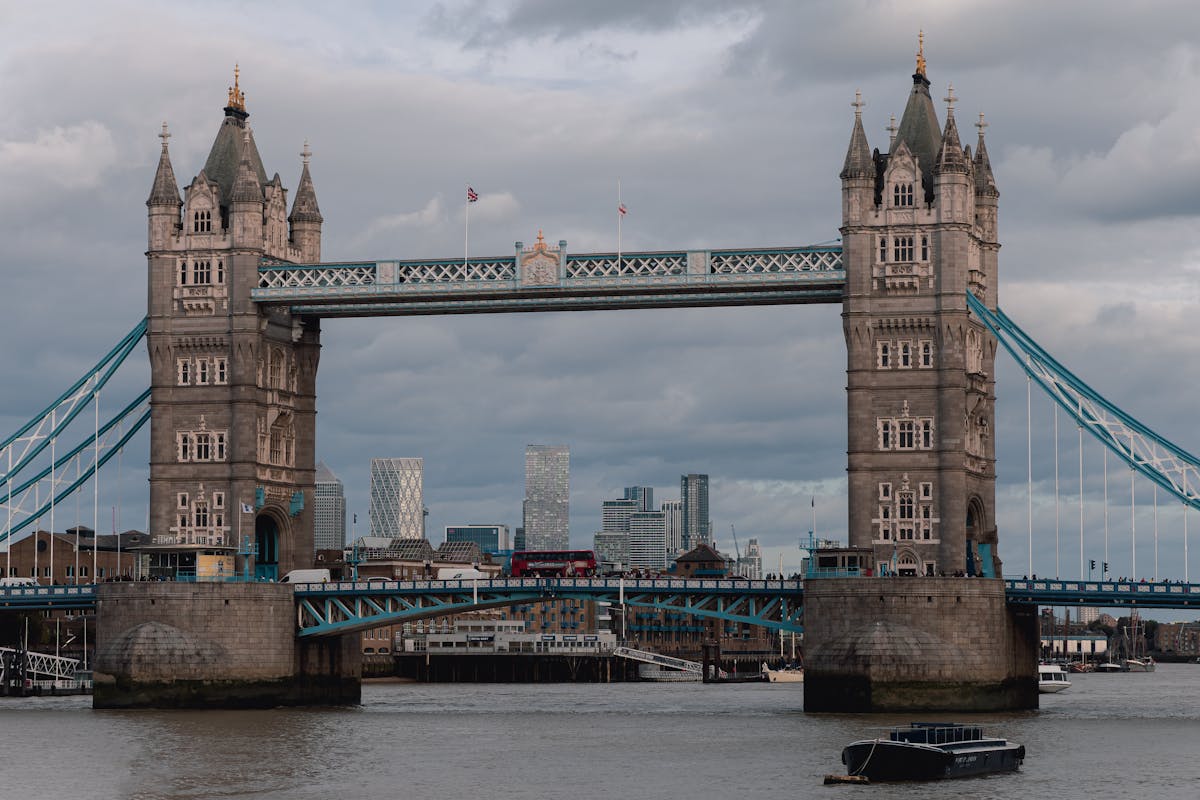
Beyond museums, London’s royal parks — Hyde Park, Regent’s Park, St James’s Park, and Greenwich Park — are magnificent and free. Changing the Guard at Buckingham Palace is a classic free experience; arrive 45 minutes early for a front-row view. Walking across Tower Bridge (the exterior is free; the Tower Bridge Exhibition inside charges admission), browsing Borough Market, and strolling the South Bank from Westminster to Tower Bridge all cost nothing and rank among the city’s finest experiences.
Attractions Worth Paying For
Some paid attractions genuinely deserve your budget: Westminster Abbey (£27), Tower of London (£33.60), and the Churchill War Rooms (£28) offer depth you can’t replicate elsewhere. Book online to save £2–3 and avoid queues. Skip combo tickets unless you’re certain you’ll visit every attraction — individual advance bookings usually beat bundled prices.
Budget Food: Eating Well for Under £15 a Day
London’s food scene offers extraordinary variety at every price point. The classic British meal deal — sandwich, snack, and drink for £4 at Tesco, Sainsbury’s, or Boots — is a lifesaver for lunches. Greggs, Pret, and Itsu offer warm meals under £5. For dinner, pub food remains excellent value: a classic fish and chips or Sunday roast runs £12–16 at most traditional pubs in Zones 1–2.
Street food markets are another budget-friendly win. Borough Market, Maltby Street Market, and Brick Lane offer high-quality international street food for £8–12. Chinatown around Gerrard Street has authentic dim sum and noodle dishes from £7–10. For coffee, avoid tourist cafes near major sights (£5–6 for a flat white) and stick to chain coffee shops (£3–4). Many Londoners swear by supermarket picnics in Hyde Park during warm weather — easily the cheapest way to eat well with a view.
Timing Matters: When to Visit for the Best Value
London’s cheapest travel months are January, February, and November. Accommodation drops 30–40% versus peak summer, and attractions are noticeably quieter. Weather is cool and often wet, but indoor attractions, museums, and pub culture are perfect winter pastimes. Spring (March–May) offers mild weather and moderate prices. Summer (June–August) is peak season — book accommodation at least three months ahead.
Within any given day, visit popular attractions first thing in the morning (9–10 AM) to avoid crowds and queues. Lunch between 2–3 PM is cheaper at many restaurants with early-evening deals. Theatre tickets go on sale at the TKTS booth in Leicester Square daily at 10 AM with same-day West End shows 30–50% off face value.
Seven Practical Tips to Stay Under £50 Per Day
- Buy an Oyster or use contactless: Never buy paper tickets — they cost 50–100% more per ride.
- Walk between nearby Zone 1 sights: Save £2–3 per trip and see more.
- Book museums and paid attractions online: Skip-the-line entry plus small discount.
- Eat one meal at a supermarket: £4 meal deal beats any restaurant for lunch.
- Use Happy Hour at pubs: Many offer £3–4 drinks before 7 PM.
- Visit free markets and parks: Borough, Camden, Portobello, and all royal parks cost nothing.
- Get your UK ETA early: Apply at least two weeks ahead for £20 to avoid last-minute fees and stress.
UK ETA Requirements: Don’t Forget the Paperwork
As of 2026, visa-free nationalities (including US, Canadian, Australian, EU, and most Commonwealth citizens) must obtain a UK Electronic Travel Authorization before traveling to London. The ETA costs £20, is valid for two years of multiple entries (up to six months per visit), and is typically approved within 3 business days — though most approvals arrive in under 24 hours. Apply via the official UK government website or the UK ETA mobile app. Don’t book flights before confirming your ETA approval; rare denials do happen and may require you to pursue alternative visa routes.
Frequently Asked Questions
Can you really do London for under £50 a day in 2026?
Yes — solo travelers staying in hostel dorms or couples sharing budget hotel rooms in Zones 2–3 can comfortably hit this target. Accommodation is the main constraint; plan that first. Transport, food, and attractions fit easily within a £20–25 daily spend if you follow this guide.
What’s the cheapest area to stay in London?
Zone 2–3 neighborhoods like Hackney, Stratford, Wimbledon, and Greenwich offer the best balance of affordability and quick Tube access to central London. Dorm beds from £18, private hostel rooms from £55, budget hotels from £65.
Is London public transport expensive?
No, when used correctly. The £8.90 Zone 1–2 daily cap on contactless/Oyster means unlimited rides for one fair price. Bus-only daily cap is £5.25. Compared to Uber or taxis, this is extraordinarily cheap for a world capital.
Which London museums are free?
Most major national museums are free: British Museum, National Gallery, Tate Modern, Tate Britain, V&A, Natural History Museum, Science Museum, and Museum of London. Special exhibitions typically charge £15–25, but permanent collections are always free.
Do I need a UK ETA to visit London in 2026?
Yes, visa-free nationalities must now obtain a UK ETA (£20) before travel. It’s valid for two years and typically approved within 3 business days. Apply at least two weeks before departure for peace of mind.
What’s the best time of year for budget travel to London?
January, February, and November offer the cheapest accommodation and quietest attractions. Spring (March–May) balances mild weather with moderate prices. Avoid July–August and the Christmas/New Year window for best value.
How can I save on London theatre tickets?
Visit the TKTS booth in Leicester Square at 10 AM for same-day West End shows at 30–50% off face value. Alternatively, book standing-room tickets at venues like Shakespeare’s Globe for £5–10.
Conclusion: Your London Budget Plan in Action
London on a budget isn’t about cutting corners — it’s about smart choices. Stay slightly outside Zone 1, use contactless for transport, fill your itinerary with free museums and walking tours, and save your meal budget for authentic pub dinners or street-food markets. Add an early-booked UK ETA and you have a stress-free template for an extraordinary trip that costs a fraction of what you might expect. London’s best experiences are open to everyone, regardless of budget.
 English
  العربية
  বাংলা
বাংলা  Български
  Català
  简体中文
简体中文  Hrvatski
  Čeština
  Dansk
Dansk  Nederlands
  Eesti
Eesti  Suomi
Suomi  Français
  Deutsch
  Ελληνικά
  עִבְרִית
  हिन्दी
  Magyar
  Íslenska
  Bahasa Indonesia
  Italiano
  日本語
日本語  한국어
한국어  Latviešu valoda
  Lietuvių kalba
  Bahasa Melayu
  Norsk bokmål
  Polski
  Português
  Română
  Slovenčina
  Slovenščina
  Español
  Svenska
  Türkçe
  Tiếng Việt