Key Takeaways
UK ETA travel insurance in 2026: the £20 ETA does not require insurance, but NHS charges for visitors make good cover a smart move. Here's what to know.
You do not need travel insurance for a UK ETA. The £20 authorisation gives you permission to travel. It is not an insurance policy, and the Home Office does not ask for cover when you apply. Travel insurance is still worth buying, though: visitors can be charged for NHS hospital care, and without a policy a cancelled trip is money lost.
TL;DR: The ETA has no insurance requirement, unlike some visas. It costs £20, lasts two years, and covers entry only. But NHS treatment is not free for most visitors, and flights or hotels rarely refund themselves. Good cover for health, cancellation and baggage turns a small outlay into real protection on your trip.
| Quick Facts (2026) | Detail |
|---|---|
| Does the ETA require insurance? | No — it is not a condition |
| ETA fee | £20, valid 2 years |
| What the ETA covers | Permission to travel only |
| NHS for visitors | Hospital care is often chargeable |
| Recommended cover | Health, cancellation, baggage |
| Who should insure | Every traveller, especially older ones |
This guide explains what the ETA does and does not cover, why insurance still matters, what a good policy includes, and how the UK compares with schemes that demand cover. Start with the money basics in our ETA fee guide and requirements guide.

Is UK ETA travel insurance mandatory?
No. Insurance is not a condition of the ETA, and you will never be asked to prove cover during the £20 application or at the border. The permit checks your eligibility to enter, nothing more. You can legally travel to Britain on an ETA with no policy at all, though doing so leaves you exposed to costs you cannot predict.
This surprises people who assume every travel permit bundles in cover. It does not. The ETA became mandatory for many nationalities from 2 April 2025, purely as an entry check (gov.uk ETA). Health and cancellation protection are entirely separate and up to you. Confirm exactly what the application asks in our documents checklist.
What the £20 ETA does and does not cover
The ETA does one job: it authorises you to travel to the UK for up to six months per visit. It does not pay a hospital bill, refund a cancelled flight, or replace lost luggage. Treating the £20 fee as any kind of safety net is a costly mistake, because the permit and a policy protect completely different things.

Take a concrete case. A visitor slips on ice in Edinburgh in January 2026 and needs an X-ray and a night in hospital. The ETA lets them into the country; it pays nothing towards that care. Without insurance, the bill lands on them (gov.uk NHS migrant health guide). Compare the permit with a visa in our ETA or visa guide.
Not sure the ETA itself is in order before you even think about cover? We are an independent assistance service and can check your application, or you can apply directly on gov.uk for £20.
Why UK ETA travel insurance still matters for the NHS
Most overseas visitors are not entitled to free NHS hospital treatment, which is why cover matters even for a short trip. Emergency and urgent care may be exempt from charges, but planned treatment, inpatient stays and follow-ups can be billed at 150% of standard NHS rates. A single admission can run into thousands of pounds.

The rules are set out in the official migrant health guidance, updated through 2025 and 2026 (NHS healthcare information). A broken wrist, a flare-up of a known condition, or a night under observation all count as chargeable for many visitors. Insurance shifts that risk off you. Older travellers feel this most, since medical costs and premiums both climb with age, and a routine check abroad rarely comes free.
Pro tip: Buy your policy the day you book, not the day you fly. Cancellation cover only protects you for events after purchase, so waiting until departure leaves a gap. If a family emergency forces you to cancel a £2,000 trip in advance, early cover is what gets that money back.
What good cover for a UK trip should include
A solid policy for Britain runs well beyond basic medical care. Look for emergency treatment and repatriation, trip cancellation and curtailment, baggage and money, and cover for any pre-existing conditions you declare. The cheapest policy is rarely the best; check the limits and the excess before you judge it on price alone.
- Medical and repatriation: the core reason to insure, given NHS visitor charges.
- Cancellation and curtailment: protects non-refundable flights and hotels.
- Baggage, money and delay: useful cover for the everyday mishaps of travel.
Match the policy to your trip length and the two-year ETA window explained in our validity guide. Frequent visitors often find annual cover cheaper than buying single trips.

The UK ETA compared with schemes that demand insurance
Unlike a Schengen short-stay visa, which requires proof of medical cover, the UK ETA sets no such condition. This catches out travellers who plan both a British and a European leg, because the two systems ask for different things. The ETA never demands insurance, but the practical reasons to hold a policy are the same on both legs.
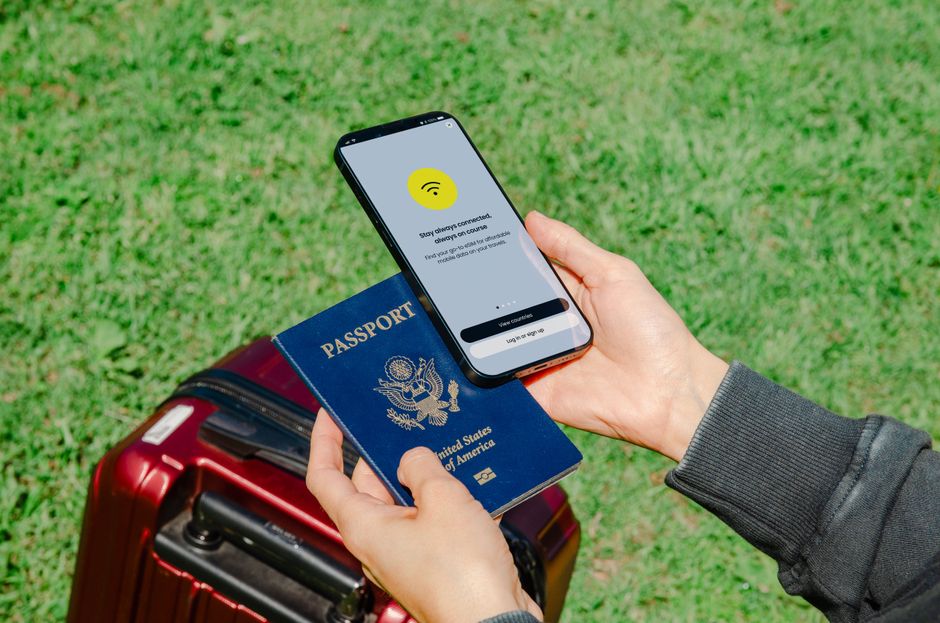
Consider a couple touring London and then Paris in spring 2026. For the ETA they need no policy on paper; for a Schengen visa they would have to show cover of at least a set medical minimum. Not being asked for insurance does not mean they can safely travel without it. Compare the schemes in our UK ETA vs ETIAS guide, and check destination advice on gov.uk foreign travel advice.
Practical tips before you travel
Buy your travel insurance in the same sitting as your ETA application, so both are done well before departure. Read the medical and cancellation limits, declare any conditions honestly, and keep the policy number on your phone next to your ETA email. If anything goes wrong, you are then covered from the first day.
- Tip 1: Apply for the ETA early using the official ETA guidance, then buy cover the same day.
- Tip 2: Weighing single-trip against annual cover? Frequent visitors usually save with annual.
- Tip 3: Check the fee and what it buys in our cost breakdown.
If juggling the ETA and a policy feels like a lot, you have options. We are a private assistance service, not the government: apply on gov.uk for £20 yourself, or let us check and submit your ETA so you can focus on the cover.
Frequently Asked Questions
Is UK ETA travel insurance required to apply?
No. Insurance is not required for the ETA, and you are never asked to prove cover when you apply or at the border. The £20 ETA checks your eligibility to enter only, so buying a policy is your own sensible choice.
Does the ETA cover medical costs in the UK?
No. The ETA pays nothing towards healthcare. Most visitors are charged for NHS hospital treatment, so a separate travel insurance policy is the only thing that covers those bills.
Is NHS treatment free for ETA visitors?
Not usually. Emergency and urgent care may be exempt, but planned and inpatient treatment is chargeable for most overseas visitors, often at 150% of standard NHS rates. Insurance is strongly advised.
How much does the ETA cost, and does that include cover?
The ETA costs £20, and it includes no insurance at all. The fee reached £20 on 8 April 2026, up from £16 in 2025. Any travel or health cover is bought separately.
What should a good UK travel policy include?
Emergency medical care and repatriation, trip cancellation and curtailment, baggage and money, and any declared pre-existing conditions. Check the limits and excess rather than choosing on price alone.
Do older travellers need insurance more?
The need is the same, but the case is stronger. Medical costs and premiums both rise with age, so over-70s in particular benefit from solid cover before a UK trip, on top of the standard £20 ETA.
Does the UK ETA ask for insurance like a Schengen visa?
No. A Schengen visa requires proof of medical cover; the UK ETA does not. If you travel to both, remember the European side may demand insurance while the UK side simply recommends it.
Last updated: 2026-07-09 — verified against gov.uk schedule.
 English
 العربية
 বাংলা
 Български
 Català
 简体中文
 Hrvatski
 Čeština
 Dansk
 Nederlands
 Eesti
 Suomi
 Français
 Deutsch
 Ελληνικά
 עִבְרִית
 हिन्दी
 Magyar
 Íslenska
 Bahasa Indonesia
 Italiano
 日本語
 한국어
 Latviešu valoda
 Lietuvių kalba
 Bahasa Melayu
 Norsk bokmål
 Polski
 Português
 Română
 Slovenčina
 Slovenščina
 Español
 Svenska
 Türkçe
 Tiếng Việt