Key Takeaways
UK ETA and settled status: EU Settlement Scheme holders are exempt in 2026 and travel on their eVisa. When family without status still need a £20 ETA.
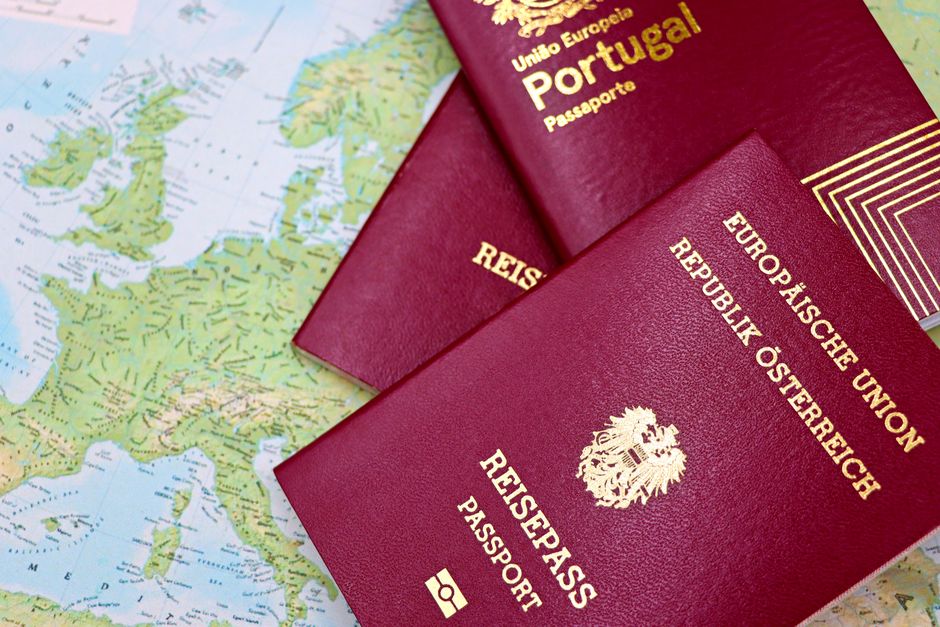
If you hold settled or pre-settled status under the EU Settlement Scheme, you do not need a UK ETA. Your status already gives you permission to enter, and you travel on the digital eVisa linked to your passport instead of buying the £20 authorisation. Below is how the ETA and EU Settlement Scheme status fit together in 2026.
TL;DR: EU, EEA and Swiss citizens with settled or pre-settled status are exempt from the UK ETA. Since 2025 that status is a digital eVisa, not a card, so link your current passport to your UKVI account and keep it updated. Family members visiting without status may still need a £20 ETA, strictly enforced since 25 February 2026.
Key facts on the UK ETA and settled status:
- Settled and pre-settled holders do not need an ETA — that status grants entry (GOV.UK ETA eligibility).
- Status is a digital eVisa since 2025, with no physical card for EU citizens (GOV.UK EU Settlement Scheme).
- Prove it with a share code valid for 90 days from GOV.UK view and prove.
- Carriers enforce the rule for other EU visitors from 25 February 2026 (GOV.UK ETA).
- A visiting relative without status may need a UK ETA costing £20.
Quick Facts: UK ETA and settled status
| Detail | Settled/pre-settled holder (2026) |
|---|---|
| ETA needed | No — status gives entry |
| Proof of status | Digital eVisa, no physical card |
| Share code | Valid 90 days |
| Link to travel | Current passport in UKVI account |
| Family without status | May need a £20 ETA |
| Cost to you | £0 — no ETA to buy |
Do EU citizens with settled status need a UK ETA?
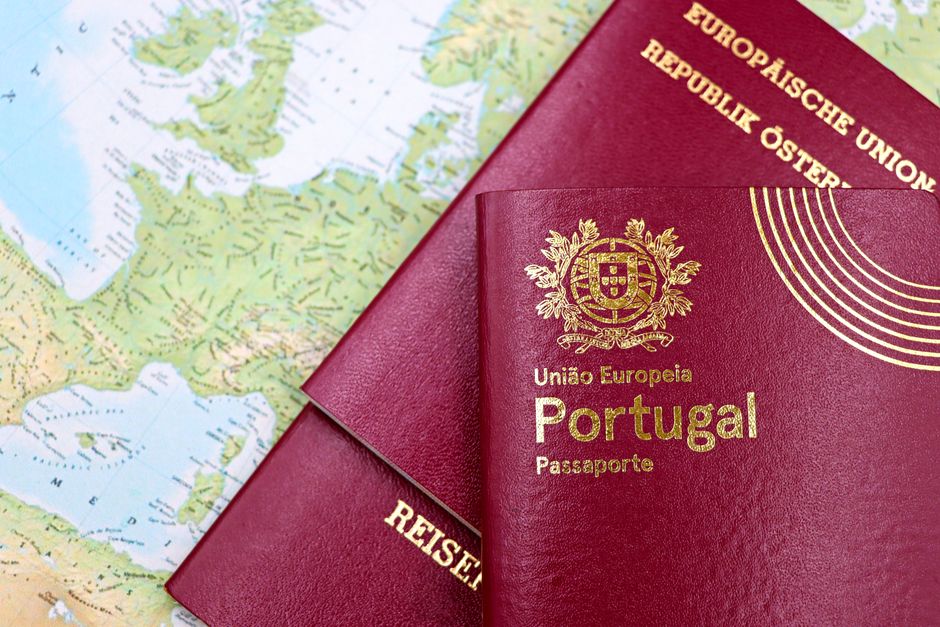
No. Anyone with settled or pre-settled status under the EU Settlement Scheme is exempt, because that status already counts as leave to enter and remain, and the authorisation scheme explicitly excludes leave holders from its requirement. You never buy an ETA on top of a UK status you already hold, and there is no separate form to complete.
The authorisation is designed for visitors who have no other UK immigration permission. Your EUSS grant is exactly that permission, so it sits outside the scheme. This holds whether you live in the UK and travel in and out, or you moved back to the continent but kept your status active. If you are unsure which category applies to you, our UK ETA for EU citizens guide and the ETA exemptions list set out who is covered.
How your eVisa replaces the ETA
Since 2025, EUSS status has been held as a digital eVisa rather than a biometric card, so the record tied to your passport is what proves your right to enter — there is nothing to print and no application to submit. Keeping that link current is the whole job.
When the physical biometric residence card was retired, status moved fully online to your Home Office account. About 5.8 million people had been granted EU Settlement Scheme status by 30 June 2026, and every one of those grants is now checked digitally at the border rather than from a card in a wallet. Carriers and Border Force match your record against the passport you present, so the document in your account must be the one in your hand. Add a renewed passport to your online record the moment it arrives (GOV.UK, 2026). Other residents are affected by the same move to digital status, as our UK immigration rules for visitors guide explains.
Pro tip: update your account with a renewed passport before you book travel, not at the airport. If the document you show does not match the one on your digital status, boarding can be refused even though your status is perfectly valid.
Proving your status at the border and beyond
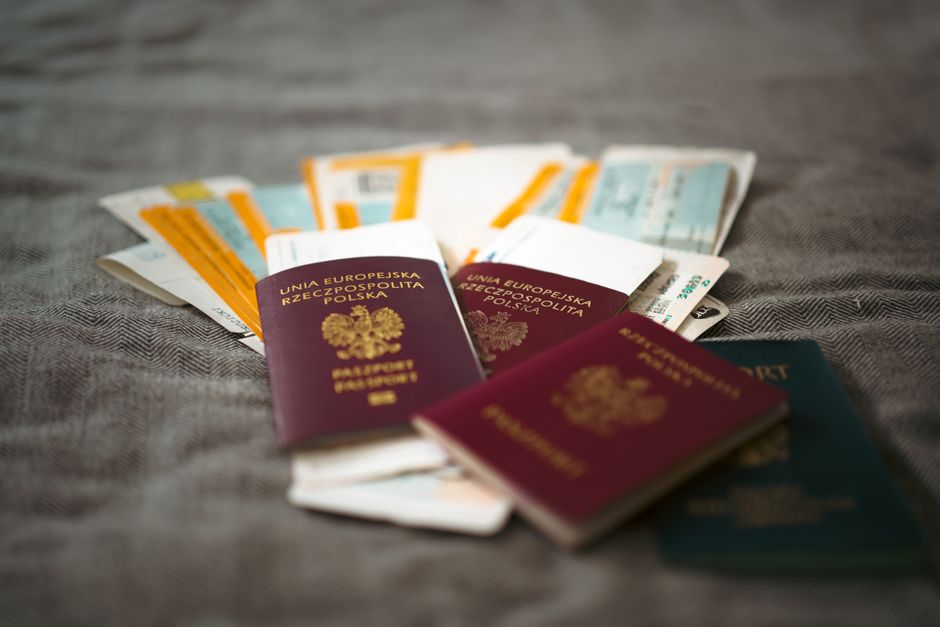
You prove your EUSS grant with a digital share code generated from your account, which stays valid for 90 days in 2026 and gives read-only access — useful for landlords and employers, though for travel the passport link does the work. No stamp, no card, just the digital record.
Generate a share code at the official view and prove service using your passport and date of birth. For travel in 2026, what matters is the link between your passport and your status, not a code you show at the gate, because airlines verify electronically. Keep one handy anyway if you are renting or starting a job on the trip. For the wider entry picture, see our UK entry requirements checklist.
When you might still need a UK ETA
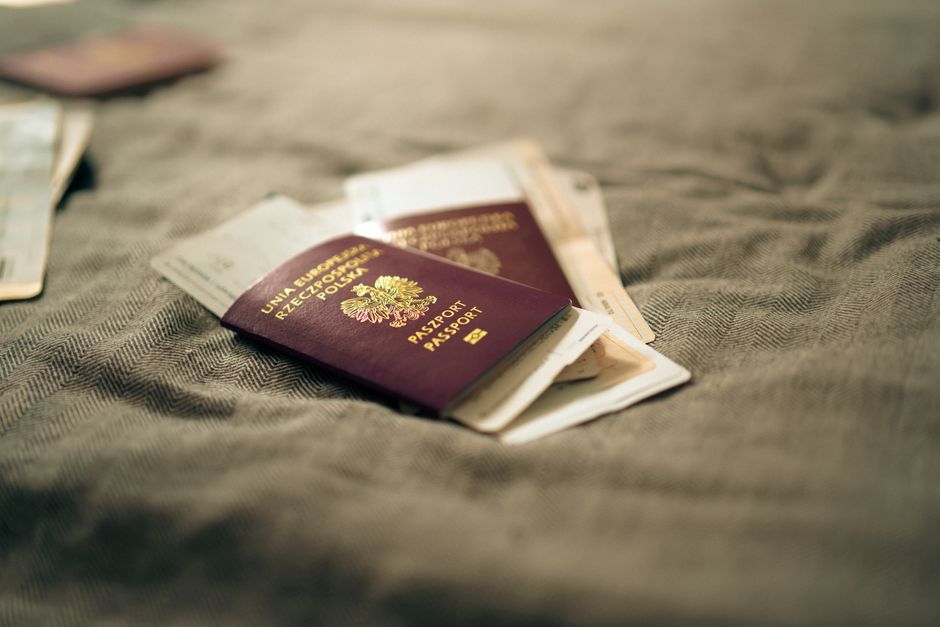
The exemption is personal to the holder, so a partner, parent or friend without a UK status is treated as an ordinary visitor and will usually need a £20 ETA once enforcement began on 25 February 2026, even when travelling with you. Status covers you, not your travelling companions.
Two situations catch families out. First, a visiting relative on an EU passport (other than an Irish one) with no UK status must hold their own ETA before boarding. Second, if your pre-settled status has lapsed because you spent too long outside the UK, you may no longer hold valid leave, and should check before you travel rather than assume. Most applicants get a decision within one working day, but it can take up to three working days, so a visiting relative should apply well before their flight. Planning travel for a relative? They can apply directly on GOV.UK for £20, or use our checking and support service so the application is right first time. Compare routes in our ETA or visa guide and the EU citizens and Brexit explainer.
Keeping your UKVI account ready before you travel
A few minutes in your online status before every trip prevents almost every problem: confirm the passport you travel on is linked, check the record shows correctly, and create a share code if you will need to prove your grant for housing or work in 2026. The system is reliable when the details match.
Sign in ahead of time in 2026 rather than relying on airport Wi-Fi, and make sure any recently renewed passport or national ID card is added within a day or two of getting it. A five-minute check the night before travel beats discovering a mismatch at the gate. If you travel on a national identity card, make sure it is the document linked to your status: EUSS status holders can still enter the UK on one, but not through eGates. Families with mixed status should sort each person separately — status holders need nothing, visitors need an ETA. It helps to make a short list before booking: note who holds settled or pre-settled status and who is travelling as a visitor, then handle each column on its own so nobody is left scrambling at the airport. For nationality-specific detail, our UK ETA for French citizens and German citizens guides help visiting relatives, and the who needs a UK ETA guide gives the overview.
Frequently asked questions
Do I need a UK ETA if I have settled status?
No. Settled status is UK immigration permission, and the scheme excludes anyone who already holds leave. You enter on the digital eVisa tied to your passport, with nothing to buy.
What about pre-settled status — is that exempt too?
Yes. Pre-settled status is also leave to enter and remain, so holders are exempt. Keep the grant valid and your latest passport linked to the account.
How do I prove my status when I travel?
Border systems check your record digitally against the passport you present, so link the document you travel on to your account. For landlords or employers, generate a 90-day share code.
My family wants to visit — do they need an ETA?
If they do not hold UK status, yes. A visiting relative on an EU passport usually needs a £20 ETA, strictly enforced since 25 February 2026, applied for before they board, even when travelling with you.
I renewed my passport — what should I do?
Add the new passport to your account before you travel. Border checks match your record to the document you present, so an unlinked passport can cause boarding problems despite valid leave.
Does settled status expire like an ETA?
Settled status does not expire the way a two-year authorisation does, but pre-settled status can lapse after long absences. Check the grant is valid before travelling if you have spent time outside the UK.
Related reading
 English
 العربية
 বাংলা
 Български
 Català
 简体中文
 Hrvatski
 Čeština
 Dansk
 Nederlands
 Eesti
 Suomi
 Français
 Deutsch
 Ελληνικά
 עִבְרִית
 हिन्दी
 Magyar
 Íslenska
 Bahasa Indonesia
 Italiano
 日本語
 한국어
 Latviešu valoda
 Lietuvių kalba
 Bahasa Melayu
 Norsk bokmål
 Polski
 Português
 Română
 Slovenčina
 Slovenščina
 Español
 Svenska
 Türkçe
 Tiếng Việt