
De vigtigste pointer
Cornwalls strande, surfdestinationer, landsbyer. Sommerplan 2026, omkostninger. Komplet guide til UK ETA-besøgende.
Cornwall sommer 2026 tilbyder alt, hvad en UK ETA-berettiget besøgende kunne ønske sig: fantastisk kystlandskab, autentiske fiskerlandsbyer og nogle af Britanniens fineste strande. Uanset om du surfer på Atlanterhavsbølger ved Fistral eller nyder eftermiddagsthe i en cream-tea-hovedstad, leverer Cornwall verdensklasse-oplevelser. Kombinationen af dramatiske klipper, beskyttede bugter og pålidelig varmt vejr gør Cornwall sommer 2026 til den perfekte destination for rejsende, der søger både afslapning og eventyr. At komme dertil er ligetil med tog: Great Western Railway kører direkte tog fra London Paddington til Penzance på 5 timer 40 minutter, med sidefiler til St Ives og Falmouth for dem, der ønsker at udforske stillere hjørner. Denne guide dækker transportforbindelser, regionens bedste strande, charmerende fiskerlandsbyer, hvor tiden ser ud til at gå langsommeligt, praktiske omkostninger og insider-tips til UK ETA-indehavere, der planlægger deres Cornwaliansk flugt.
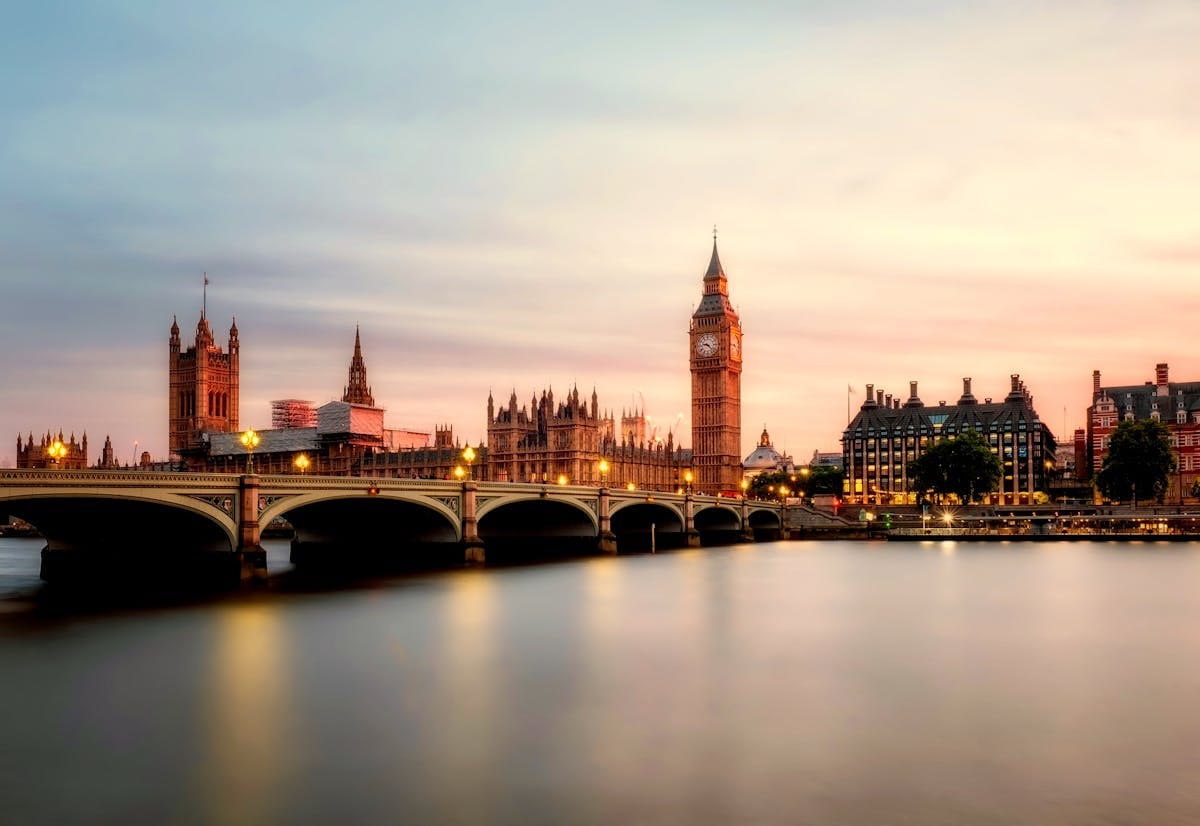
At komme til Cornwall: Togdistrikter og rejsetider
Den hurtigste måde at nå Cornwall fra London er via Great Western Railway. Afgange fra Paddington hver time, ankomst til Penzance-station på 5 timer 40 minutter. Forudbooking sparer betydeligt—typisk £40–60 kontra £120–150 for walk-up-billetter. Night Riviera-sovevognsservice afgår London Paddington kl. 23:35, ankommer kl. 08:10 til Penzance, hvilket giver et romantisk alternativ og sparer en nats indkvartering. Sidefiler betjener St Ives (skift ved St Erth, 30 minutter fra Penzance) og Falmouth (15 minutter fra Penzance), så du kan basere dig overalt og udforske via tog. Rejsetid fra London til de fleste cornwalianske destinationer overstiger 5 timer, så overvej at tilbringe flere dage for at retfærdiggøre transportomkostninger. Den maleriske kystdistrik mellem Penzance og Falmouth rivaliserer med enhver togrejse i Storbritannien for ren naturlig drama. Railcard-rabatter gælder, hvis du er under 26 eller over 60, hvilket skærer billetter ned med en tredjedel.

Bedste strande til svømning og kystture
Fistral Beach nær Newquay har fået international anerkendelse som Europas bedste surfingdestination og vært professionelle konkurrencer årligt. For traditionel svømning og solbadning tilbyder Porthcurno dog turkisblåt vand omgivet af dramatiske granitklinter og Minack Theatre, som er udhulet i klippen ovenfor. Kynance Cove er måske Cornwalls mest fotograferede strand – serpentin-stenformationer omrammer sandet, og klippebassiner afslører søstjerner og anemoner. Sennen Beach nær Land’s End strækker sig over næsten en mil, ideal for familier og svømmere, der søger blide bølger. Watergate Bay kombinerer fremragende svømning med strandrestauranter, der serverer frisk krebsalater og corniske øl. Undgå juli og august weekender, hvis du ikke kan lide trængsel; lokale anbefaler maj eller tidlig september, når vejret stadig er varmt, men strandene mindre crowdede. De fleste strande har sæsonbetinget livredderpatruljer – væsentlig information for ikke-britiske svømmere, der ikke er fortrolige med Atlanterhavets strømninger. Tag solbeskyttelse med – Atlanterhavskysten modtager mere direkte sol end det nordlige England, og UV-intensiteten reflekteres fra det lyse sand.

Fiskerlandsbyer: Port Isaac, Polperro, St Mawes og Mousehole
Port Isaac, en arbejdende fiskerlandsby 30 minutter nord for Padstow, blev berømt som filmingsted for BBC-dramaet Doc Martin. Havnefrontkotagerne malet i pastellblå og grønt skaber Instagram-værdige udsigter, mens arbejdende fiskerbåde stadig opererer dagligt. Det nærliggende Polperro, udhulet i en snæver dal, føles frosset i tid – brolagte gader snor sig stejlt ned til en naturlig havn, hvor fiskere reparerer net. Dette er klassisk cornisk maritim arv, helt uden biler og kun tilgængeligt til fods. St Mawes ligger i en beskyttet havn vendt mod syd, så det nyder Cornwalls varmeste mikroklimat. Landsbyen samler sig omkring slot-områder bygget af Henrik VIII, nu forvaltet af English Heritage. Mousehole (udtalt 'Mowzul'), et tidligere smugler-tilholdsted, pralter med farvefyldte kotagere klemt langs en snæver kaj. Disse landsbyer mangler kæderestauranter; i stedet kan du forvente hjemmelavet fiskemad på lokale puber og restauranter, hvor dagen's fangst ankom den morgen. Et besøg i enhver fiskerlandsby giver direkte møder med levende cornisk maritim kultur – langt mere værdifult end ethvert museum.
Land's End, Minack Theatre og Cornwalls dramatiske kendemærker
Land's End, Britanniens mest sydvestlige punkt, tiltrækker over 500.000 besøgende årligt på trods af entrancegebyr (£15–20 for voksne). Kystsceneriet retfærdiggør besøget selv hvis du springer temaparkén over: granitskrænter falder brat ned i Atlanterhavets vande, og stien til Longships Lighthouse afslører sæler og søfugle. Minack Theatre, udgravet direkte ind i en klippe nær Porthcurno, afholder sommerforestillinger i den mest teatralske indstilling, man kan forestille sig—bølger bryder ind under dramatiske scener og måger bifald komedier. Bestilling af billetter (£15–30) og kontrol af tidevandstider er vigtig; forestillinger køres maj til september. Eden Project, et 15 minutters køreture inden for det indre land nær Mevagissey, huser interaktive udstillinger om globale økosystemer inden for to massive geodætiske biomer fyldt med tropiske og mediterrane planter. Adgang løber £27–35. Trerice Manor (National Trust) bevarer et hus fra Elisabetinsk tid med periodehaver. Cornwall sommer 2026 belønner udforskning uden for strandtid—disse landemærker forankrer en meningsfuld itinerary på flere dage og giver variation under regnfulde Atlantiske fronter.

Cornisk madkultur: Pasties, cream tea og frisk fiskeri
Cornisk pasties forbliver en beskyttet geografisk betegnelse (PGI) efter EU-lovgivning—ægte pasties indeholder kun oksekød, kålrabi, kartoffel, løg og krydderier. Forvent at betale £3–5 på bagerier for autentiske versioner; supermarkedimitation er væsentligt billigere men ringere. Eftermiddags cream tea, centralt for cornisk strandkultur, kræver streng overholdelse af tradition: marmelade først, derefter flødeslagtet— omvendt dette og lokale vil stille spørgsmålstegn ved dit respektabilitet. Fremragende cream tea løber £8–12 på caféer gennem hele kysten. Frisk krabbe, hummer og Atlantisk fisk definerer spiseoplevelser i havnebyer. Forvent £25–40 per person for restaurantmåltider med fangsten fra den morgen; gastropubs tilbyder samme kvalitet til £15–20. Corniske morgenmad indeholder røget kobberskællinger og sort pudding ved siden af standard engelske komponenter. Lokale cidere og øltyper—navnlig Cornish Orchards og St Austell Brewery—passer perfekt med fiskeri. Markeder i Penzance, Falmouth og Truro tilbyder det billigste friske grøntsager og fisk; supermarkeder i disse byer cater til turister der selv laver mad. Kulinarisk udforskning transformer en strandferiest til kulturel fordybelse.

Surfing schools og lektioner for begyndere
Fistral Beach er værtshus for flere etablerede surfeskoler, der henvender sig til begyndere og mellemstof. Forvent typiske 2-timers nybegynderlektioner der løber £35–50 inkluderet bræt, våtdragt og undervisning. Skoler screener studerende for strømme og udfører sikkerhedsbrifinger før indtrængning i vand. De fleste operatører anbefaler gruppelektioner for omkostningseffektivitet; privat undervisning koster £70–100 pr. time. Widemouth Bay, syd for Bude, tilbyder et blødere læringsmiljø med mere skjulte swell-mønstre, ideelt for rigtige nybegyndere. Lektioner her løber £40–55 for grupper. Begynd tidlig morgen eller sen eftermiddag—swelretning og publikumsfulde niveauer favoriserer disse perioder. August medbringer de største turistfølger og mindste swell; skuldermåneder (maj, juni, september) kombinerer pålidelige forhold med tyndere publikum. Lejebrætter koster £12–18 dagligt hvis du allerede besidder grundlæggende færdigheder. Instruktører har typisk britiske surfing association-kvalifikationer, hvilket giver tillid til sikkerhedsstandarder. Avancerede surfere kan leje brætter og navigere alene; foreslået steder som Magic Seaweed og Surfline tilbyder pålidelige swell-forudsigelser specifik for Cornwalls breaks. Nybegynderlektioner gør surfing tilgængelig uden tidligere erfaring eller udstyrsinvestering.
Indkvarteringsomkostninger og rejsebudget for sommeren 2026
Mellemklasse-badebyer opkræver £110–170 pr. nat (maj–september), mens luksusresorts overstiger £250. Budget-pensionater og Travelodge-lignende kæder koster £65–110. Airbnb-priser svarer til hoteller—forvent £100–180 for en etværelses lejlighed. Camping, der findes i overflod i Cornwall, koster £25–50 hver nat; kystcamingpladser er fuldt booket påske for sommerdatoer. Selvforsynende ferielejligheder koster £400–800 ugentligt afhængigt af placering og faciliteter. Maden varierer dramatisk: pasty og kaffe-morgenmad £5, fish and chips take-away £8, mellemklasse-restaurantmiddag £22–35, fine dining £50+. Dagligt budget for en komfortabel rejsende koster £120–150 uden transport: indkvartering £110, måltider £30, aktiviteter £10. En uge i Cornwall koster £840–1050 plus togbilletter. Forudbestilling af togbilletter er vigtig—køb af billetter 8 uger i forvejen reducerer priserne væsentligt. Sammenlign Advance-takster (£40–60 London–Penzance) med standard returbilletter (£120–150). Gruppekort og jernbanekort-rabatter forbedrer værdien yderligere. Besøg i slutningen af maj, første halvdel af juni eller september reducerer omkostningerne med 15–20% sammenlignet med peak juli–august, hvor strande og restauranter fyldes med familier.
Vejrmønstre og bedste tid at besøge Cornwall sommeren 2026
Cornwalls kystklima er varmere og solrigt end Nordengland—juli og august har gennemsnitligt 15–18°C om dagen, med morgenskyer, der ofte forsvinder inden middag. Atlanterhavet bringer uforudsigelig vejr; frontale systemer kan dumpe regn inden for timer. Ikke desto mindre garanterer Cornwall sommer 2026 flere solskinsdag (juni har gennemsnitligt 7–8 timer dagligt) end de fleste britiske regioner. Vandtemperaturen når 14–15°C om sommeren—behagelig til surfing i neoprenbadedragt, men ubehagelig til længere svømning. Juni og september repræsenterer ideale måneder: varme lufttemperaturer, rolige hverdage og vand varmt nok til selvtillidende svømmere. Maj tilbyder god værdi med forårsblomstre og pålidelig solskinsdag; oktober ser stadig 12–14°C vand og mild lufttemperatur, der tiltrækker efterårsferierende. Undgå august bankferier (sidste weekend august), når indkvartering er booket måneder før, og vejene gridlock med ferietrafik. Pak lag—solrige stranddag bliver grå og blæsende uden varsel. Tag en regnfrakke med. Met Office-prognoser, opdateret dagligt, giver nøjagtige kystoversigter, der er vigtige for planlægning af båtture eller klippe-stinævandringer. Planlæg fleksible rejseplanplaner, der imødekommes Atlanterhavets vejrmønstre; regnvejrsdage retfærdiggør besøg på museer, gallerier og dækkede markeder.
Praktiske tips til UK ETA-berettigede besøgende, der planlægger deres besøg
Dit UK ETA forbliver gyldigt i 6 måneder og dækker hele Storbritannien. Ingen yderligere dokumentation ud over dit pas og UK ETA er påkrævet ved britiske grænser. De fleste overnatningssteder accepterer kreditkort; nogle landlige pensionater og små restauranter fungerer dog kun med kontanter, så medtag GBP sammen med kontaktløs betaling. Mobilnetværk (EE, Vodafone, Three) fungerer pålideligt i hele kystregionerne. Køb af et britisk SIM-kort (£10–20 inkl. kredit) reducerer roaming-gebyrer væsentligt. Togforsinkelser forekommer af og til på grund af vedligeholdelse—konsultér National Rail Enquiries eller Trainline-appen før afgang. Biblioteker i Penzance, Falmouth og Truro tilbyder gratis WiFi, hvis du har brug for internetadgang. At rejse på hverdage undgår weekendtrængsel og højere overnatningspriser. Book populære restauranter og teaterforestillinger flere uger i forvejen; send en email for at bekræfte åbningstiderne for mindre virksomheder, hvoraf mange reducerer åbningstiderne uden for sæsonen. Det korniske sprog består i stednavne (Pen=hoved, Pol=pulje); at lære nogle få udtryk bedrager kulturforståelse. Turistinformationskontorer i større byer leverer gratis kort og ekspertråd. Endelig skal du informere din bank om dine rejsedatoer for at undgå svindelblokeringer på oversøiske korttransaktioner.
Med det samme: Sammenligningsskema
| Destination | Højdepunkter | Togankomst | Ideelt til | Typisk pris pr. nat |
|---|---|---|---|---|
| Newquay & Fistral | Verdensklasse-bølgebrydninger, livlig strandpromenade | Newquay Station, 5t 45m fra London | Surfere, festivalatmosfære | £120–170 |
| Penzance & Mousehole | Charme ved havnen, kystgåture, fiskerikultur | Penzance Station, 5h 40m fra London | Kulturelle opdagelsesrejsende, fotografer | £110–160 |
| Falmouth & St Mawes | Beskyttede sydvendte strande, maritime museer | Falmouth Station, 5h 55m via Penzance | Svømning, stille strande, familier | £115–165 |
| Port Isaac & Polperro | Doc Martin optagelsessteder, bilafgiftsfrie landsbyer, fiskeri | Wadebridge Station, derefter 30 minutters køreture | Kulturarvsentusiaster, Instagram-søgende | £100–150 |
| Land's End & Porthcurno | Dramatiske klipper, Minack Theatre, kystens yderpunkt | Penzance Station, derefter 45 minutters bus | Landmærkejægere, teatergængere, vandrere | £110–155 |
| Widemouth Bay | Mild begyndersurfing, familievlig, mindre trafikeret end Fistral | Bude Station, 6t 15m fra London | Begyndersvømmere, familier | £95–140 |
Ofte stillede spørgsmål
Hvad er den simpleste måde at nå Cornwall fra London?
Great Western Railway driver direkte tog fra London Paddington til Penzance (5t 40min). Forudbestilling online via Trainline eller Railcard sparer betydeligt. Night Riviera sovevognsservice afgår 23:35 og ankommer 08:10 til Penzance.
Hvilke strande er sikreste for ikke-erfarne svømmere?
Sennen Beach og Watergate Bay har sæsonbetonede livredder og blideregn bølger. Undgå Fistral (stærke strømme for surfere). Tjek strandflags (rød/gul/sort) der indikerer vandforhold.
Kan jeg besøge Land's End og Minack Theatre på samme dag?
Ja. Begge ligger inden for 20 minutter med bil eller bus. At ankomme tidligt (09:00) undgår trængsel. Afsæt 2–3 timer til Land's End, 2 timer til Minack Theatre. Tjek forestillingsskemaer, hvis du ønsker at se teatret.
Hvad er en ægte cornisk pasty, og hvor skal jeg købe en?
Pasties med beskyttet geografisk betegnelse (PGI) indeholder kun oksekød, kålroe, kartoffel, løg og krydderier. Køb fra lokale bagerier, ikke supermarkeder. Forvent £3–5. Lavendler i corniske bagerier er svigagtige efterligninger.
Er nybegynder-surfundervisning essentiel, eller kan jeg lære uafhængigt?
Undervisning anbefales på det stærkeste af sikkerhedsmæssige årsager. Oceanstrømme og strømsugninger udgør en fare for uovervågede svømmere. Skoler stiller boards, våtdragt og sikkerhedsundervisning til rådighed. Gruppeundervisning koster £35–50 (2 timer).
Hvad er den billigste måned at besøge Cornwall på sommeren 2026?
Maj, begyndelsen af juni og september tilbyder 15–20% rabatter sammenlignet med højsæsonen juli–august. Overnatting, restauranter og transport fungerer ved lavere kapacitet, hvilket forbedrer tilgængelighed og reducerer priserne.
Har jeg brug for yderligere dokumenter ud over mit pas og UK ETA til Cornwall?
Nej. UK ETA er gyldigt på tværs af Storbritannien i 6 måneder. Ingen visa, arbejdstilladelser eller yderligere tilladelser er påkrævet for turisme. Medtag dit pas og bevis for UK ETA's gyldighed.
Relaterede UK ETA-artikler
- De bedste strande i Cornwall for familier
- Sommer i Cornwall - hvad skal du pakke i strandtasken?
- Bedste kystvandringer i Storbritannien 2026: Top 10 ruter og trailguide
- De bedste dagsture fra London med tog: Guide til 15 destinationer 2026
- Britisk madguide: Traditionelle retter, som alle turister bør prøve
- Rejseforsikring for besøgende i Storbritannien: Har du brug for den?
- Britisk vejrguide: Hvad du kan forvente, og hvordan du skal klæde dig på
- Bedste tidspunkt at besøge Storbritannien i 2026: Måned-for-måned-guide
- UK Sommerfestivaller 2026: Musik-, kultur- og madbegivenheder
- Rygsækture i UK på et budget 2026: Rute, omkostninger & tips
 English
  العربية
  বাংলা
বাংলা  Български
  Català
  简体中文
简体中文  Hrvatski
  Čeština
  Dansk
Dansk  Nederlands
  Eesti
Eesti  Suomi
Suomi  Français
  Deutsch
  Ελληνικά
  עִבְרִית
  हिन्दी
  Magyar
  Íslenska
  Bahasa Indonesia
  Italiano
  日本語
日本語  한국어
한국어  Latviešu valoda
  Lietuvių kalba
  Bahasa Melayu
  Norsk bokmål
  Polski
  Português
  Română
  Slovenčina
  Slovenščina
  Español
  Svenska
  Türkçe
  Tiếng Việt