
Key Takeaways
Contactless payment UK tourist guide: how to pay with your card and phone, limits, fees, and cashless tips for traveling in Britain in 2026.
Last updated: 19 October 2026
Contactless payment works almost everywhere in the UK: you can tap a contactless card, Apple Pay or Google Pay in shops and restaurants and on London transport, where fares are automatically capped daily and weekly. Furthermore, international visitors frequently underestimate the extent of this shift, arriving with substantial cash reserves that remain essentially unused throughout their stays. In addition, understanding the UK’s contactless payment ecosystem permits tourists to navigate payments confidently and take advantage of modern payment conveniences.
Therefore, this comprehensive guide explains contactless payment systems, technology options, transaction limits, tipping conventions, and specific scenarios where alternative payment methods remain necessary. As a result, you’ll develop confidence navigating UK payment systems and can travel primarily cashless if preferred. Indeed, most modern travelers appreciate the convenience, security, and record-keeping benefits that contactless payments provide. Consequently, familiarity with these systems before arriving in the UK ensures seamless financial experiences throughout your visit.
Understanding UK Contactless Payment Technology
Moreover, contactless payments utilize near-field communication technology permitting transactions completion without physical contact, PIN entry, or signature requirements. Furthermore, this technology functions through radio frequency identification enabling rapid, secure payment processing. In addition, UK retailers and service providers have embraced contactless technology at historically unprecedented rates.
Therefore, contactless cards, digital wallets, and specialized payment applications can all complete transactions through this technology. As a result, payment method flexibility increases substantially, permitting individuals to select systems matching their preferences and security comfort. Indeed, contactless technology prioritizes convenience while maintaining sophisticated fraud protection mechanisms. Consequently, understanding the technology’s fundamental operation increases confidence in its security and reliability.
Contactless Payment Limits and Regulations
Moreover, UK contactless transactions feature regulatory limits designed to balance convenience with fraud protection mechanisms. Furthermore, the current contactless limit stands at £100 per individual transaction as of 2026, substantially increased from the previous £30 threshold. In addition, these limits apply equally regardless of payment method or merchant category.
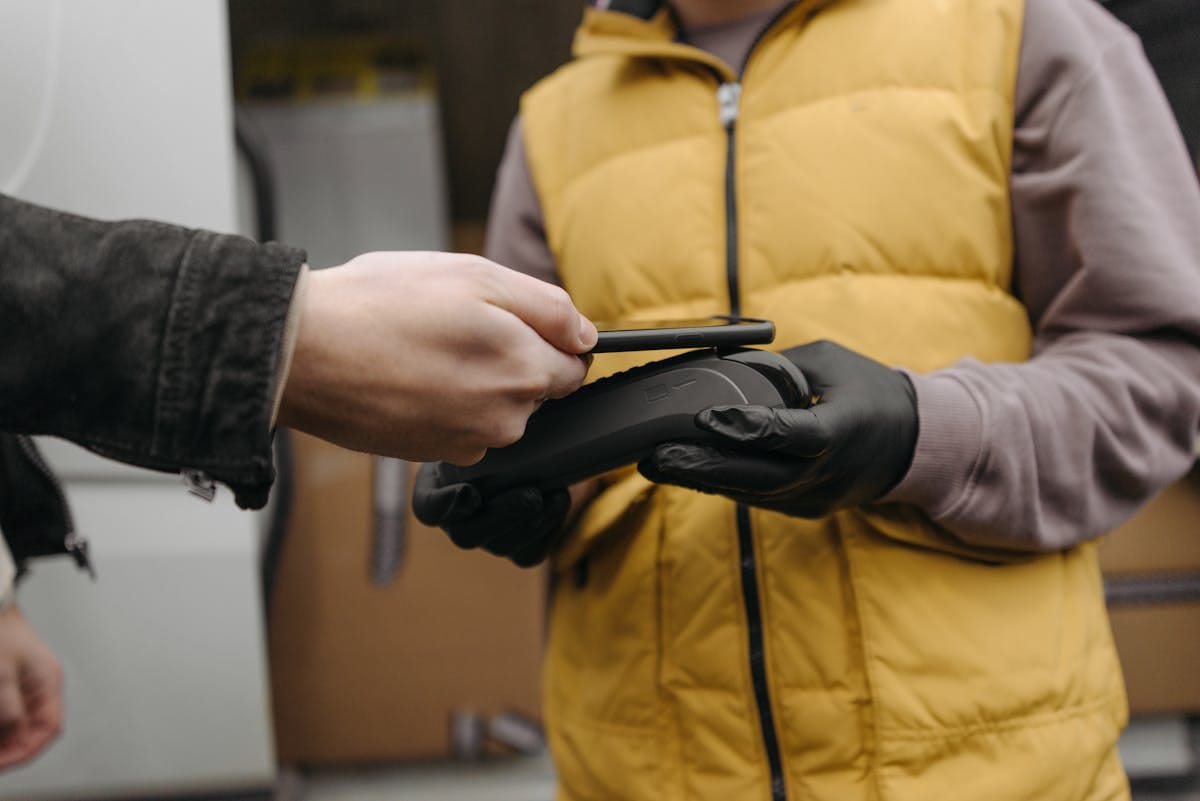
Therefore, transactions exceeding £100 automatically require traditional chip-and-PIN or signature verification methods reinstating fraud protection protocols. As a result, most tourist purchases and daily expenses fall comfortably within contactless limits. Indeed, the raised limit significantly improves convenience for higher-value purchases including hotel bills, restaurant meals, and retail shopping. Consequently, verify current limits before your departure to ensure familiarity with transaction restrictions.
Apple Pay and Google Pay for Tourists
Moreover, Apple Pay and Google Pay represent digital wallet systems transforming smartphones into functional payment devices, eliminating the need to carry physical cards or cash. Furthermore, both systems function throughout the UK at any merchant accepting contactless payments, making them particularly valuable for international visitors. In addition, setup requires only a few minutes and can be completed before departure through your banking app.
Therefore, add your credit or debit cards to Apple Pay or Google Pay through your personal banking applications before traveling to the UK. As a result, you’ll possess frictionless payment capability through your phone throughout your stay. Indeed, you can even pay for your UK ETA in the UK ETA app with Apple Pay, Google Pay, American Express, JCB, Mastercard or Visa. Consequently, ensure your phone has appropriate screen lock protection and maintains adequate battery life to complete transactions reliably.
Oyster Card versus Contactless Payment for London Transport
Moreover, London’s public transportation system accommodates both Oyster cards and contactless bank cards for payment, creating payment flexibility for international visitors. Furthermore, Oyster cards represent specialized transport payment cards with preset values, while contactless payment allows charge-per-journey billing to associated bank accounts. In addition, both systems function identically for passengers, with transaction speed and reliability equivalent.
Therefore, visitors preferring traditional payment methods can purchase Oyster cards at London airports or stations, while digital payment enthusiasts can simply tap their contactless cards or phones. As a result, payment method flexibility accommodates diverse traveler preferences. Indeed, contactless fares on London transport are automatically capped daily and weekly (Monday to Sunday), as long as you use the same card or device every time; Oyster pay as you go has daily and weekly caps too. Consequently, understand both systems and select whichever aligns with your personal preferences and existing payment infrastructure.

Tipping Etiquette in a Cashless UK
Moreover, tipping conventions in the UK remain substantially different from North American practices, though expectations have evolved alongside contactless payment adoption. Furthermore, service charges are not obligatory in most UK establishments, distinguishing the UK from other international destinations. In addition, understanding tipping norms prevents social awkwardness and ensures appropriate gratuity practices.
Therefore, restaurants typically expect voluntary tips of 10-15% for good service, though this remains genuinely optional. If a discretionary service charge (usually 12.5%) is already on the bill, you do not need to add a further tip, and tipping at the bar in a pub is not expected. As a result, you maintain freedom to assess service quality and tip accordingly. Indeed, contactless payment systems increasingly include tip prompts, permitting customers to add gratuities digitally alongside base charges. Consequently, most UK servers now expect contactless tip additions rather than cash gratuities, reflecting technological shifts in payment practices.
Currency Exchange and Foreign Transaction Fees
Moreover, international credit and debit cards typically incur foreign transaction fees when used in the UK, creating hidden costs that substantially reduce travel budgets. Furthermore, these fees range from 1-3% per transaction, meaning substantial cumulative costs across numerous purchases. In addition, understanding these charges permits strategic financial planning and potential fee minimization.
Therefore, many banks waive foreign transaction fees for certain credit card categories or premium accounts, creating opportunities for fee avoidance through strategic account selection. As a result, investigate your specific card terms before departure to understand applicable charges. Indeed, the same can apply when you pay the UK ETA fee (£20 since 8 April 2026, previously £16) in pounds, as your card issuer may add a foreign transaction fee. Consequently, plan accordingly and consider specialized travel cards reducing or eliminating foreign transaction charges.
ATM Withdrawal Fees and Cash Access
Moreover, while the UK remains substantially cashless, situations inevitably arise requiring cash access, necessitating understanding ATM infrastructure and associated fees. Furthermore, UK ATMs vary in fee structures, with some operators charging £1-3 per transaction while bank-affiliated machines remain free. In addition, strategic ATM selection prevents unnecessary fees and preserves travel budgets.
Therefore, utilize ATMs affiliated with major UK banks including Barclays, HSBC, Lloyds, and NatWest for fee-free withdrawals. As a result, the ATM itself won’t charge you, although your own bank may add a withdrawal or foreign exchange fee, and you should decline dynamic currency conversion if it is offered. Indeed, ATM networks prominently display fee information before transaction completion, permitting informed decision-making. Consequently, withdraw larger amounts less frequently rather than making multiple small withdrawals to minimize total fees paid.
Where Cash Remains Necessary in Modern UK
Moreover, despite substantial cashless adoption, certain UK scenarios require cash payment, necessitating limited cash reserves even for primarily digital travelers. Furthermore, specific merchant categories and locations remain cash-only due to infrastructure limitations or deliberate business practices. In addition, understanding these exceptions prevents inconvenient situations and ensures comprehensive payment preparedness.

Therefore, small independent retailers, certain farmers’ markets, some street markets, and occasional independent restaurants prefer or require cash payments. As a result, maintaining modest cash reserves between £50-100 accommodates these situations without excessive carrying burdens. Indeed, some venues deliberately maintain cash-only policies to avoid transaction fees, making accommodation necessary. Consequently, plan to carry limited cash alongside digital payment methods to ensure comprehensive payment flexibility.
Multi-Currency Travel Card Comparison
Moreover, specialized multi-currency travel cards like Wise, Revolut, and Monzo offer substantial advantages for international travelers through favorable exchange rates and transparent fee structures. Furthermore, these services usually cost less than traditional bank cards, although they are not entirely fee-free: Revolut’s Standard plan, for example, charges 1% above €1,000 a month and at weekends, and Wise charges a small conversion fee unless you already hold a pound balance. In addition, comparing these services permits selection of options optimizing your specific travel circumstances.
| Service | Exchange Rate | Fees | Multi-Currency Support | Card Type |
|---|---|---|---|---|
| Wise | Mid-market rate | Small conversion fee (0.5-2%) | 40+ currencies | Debit card |
| Revolut | Interbank rates | Free (Premium tier) | 35+ currencies | Digital + Physical |
| Monzo | Interbank rates | 0% foreign exchange fee | 180+ countries | Digital + Physical |
| Traditional Bank Card | Bank rate (typically poor) | 1-3% foreign transaction | Limited | Debit/Credit |
| Cash Exchange | Bureau rate (poor) | 3-5% commission | 1 (GBP) | Physical cash |
Therefore, consider opening a Wise account before departure if substantial international transfer or spending is anticipated, as favorable exchange rates justify setup time. As a result, you’ll save meaningful money across numerous transactions throughout extended stays. Indeed, Revolut and Monzo offer additional benefits including spending analytics and instant notifications for all transactions. Consequently, evaluate these services based on your specific spending patterns and travel duration.
Small Business Payments and Market Shopping
Moreover, UK markets, small retailers, and independent vendors present diverse payment scenarios requiring understanding specific merchant payment capabilities. Furthermore, contactless payments have penetrated these sectors substantially, though cash remains more common than in larger commercial environments. In addition, familiarity with payment variation permits confident shopping across UK venues.
Therefore, when shopping in farmers’ markets, street markets, or small independent stores, inquire about payment methods before transaction completion. As a result, you’ll avoid awkward situations and maintain payment flexibility. Indeed, market vendors increasingly carry mobile card readers enabling contactless transactions, significantly expanding payment method accessibility. Consequently, assume contactless capability at venues you haven’t visited before rather than defaulting to cash assumptions.
Tax-Free Shopping: No VAT Refunds in Great Britain
Tourists can no longer claim VAT refunds when leaving Great Britain (England, Scotland and Wales): the VAT Retail Export Scheme was withdrawn on 1 January 2021, so the VAT-inclusive shop price (standard rate 20%) is what you pay. Northern Ireland is the exception: retailers there, including at ports and airports, can still offer the scheme to eligible visitors from outside the EU. Before you travel, also check the UK entry requirements that apply to you.
Therefore, do not expect tax-free forms or VAT refund desks at airports in Great Britain, where airside tax-free shopping has also been withdrawn. As a result, the only way to avoid VAT on goods bought in Great Britain is to ask the shop to send them directly to an address outside the UK. Indeed, if you shop in Northern Ireland, ask the retailer whether they offer the VAT Retail Export Scheme (form VAT 407(NI)).
Hotel and Restaurant Payment Scenarios
Moreover, UK hotels and restaurants represent primary spending categories for most tourists, and understanding payment procedures ensures smooth transactions across these essential services. Furthermore, virtually all hotels and restaurants accept contactless payments, with digital wallets increasingly standard. In addition, advance understanding of payment flows permits confident transaction completion.
Therefore, inform servers or front desk staff of your preferred payment method before transaction completion, with most establishments accommodating diverse options. As a result, transactions process smoothly without confusion or inconvenience. Indeed, modern UK payment processing has become increasingly standardized across all commercial sectors, simplifying traveler experiences. Consequently, expect contactless capability at virtually all established restaurants and hotels throughout the UK.

Security Considerations for Contactless Payments
Moreover, contactless payment security represents a legitimate concern for travelers unfamiliar with the technology, though sophisticated fraud protection mechanisms maintain comprehensive security. Furthermore, contactless transactions require physical proximity to payment terminals, preventing remote fraud possibilities. In addition, UK fraud liability protection ensures consumer safeguarding against unauthorized transactions.
Therefore, under the Payment Services Regulations 2017, a UK bank or card provider must refund an unauthorised payment, including a contactless one, by the end of the next business day, although you may have to bear up to £35 of the loss (or the full amount if you acted fraudulently or with gross negligence). With a foreign card, the rules of the issuer’s country apply; in the EU, similar protection exists under PSD2. As a result, you maintain financial security even if contact devices are lost or compromised. Indeed, contactless payment security exceeds traditional cash, which offers zero recovery options if stolen. Consequently, confidently utilize contactless payments while maintaining standard smartphone security practices including screen locks and regular monitoring.
Frequently Asked Questions About UK Contactless Payments
Can I use American credit cards with contactless payment in the UK?
Moreover, most American credit cards feature contactless technology compatible with UK payment terminals. Furthermore, foreign transaction fees typically apply unless your specific card offers international banking benefits. In addition, contactless functionality operates identically regardless of card origin.
What happens if my contactless payment is declined?
Therefore, declined transactions typically result from exceeding the £100 limit or technical connectivity failures. As a result, simply request chip-and-PIN payment as alternative method to complete your transaction. Indeed, virtually all UK terminals offer multiple payment options accommodating diverse situations.
Is contactless payment safe if my card is stolen?
Moreover, if your card was issued by a UK provider, the Payment Services Regulations 2017 require a refund of unauthorised contactless payments by the end of the next business day, although you may have to bear up to £35 of the loss. With a foreign card, your issuer’s home-country rules apply (in the EU, similar protection exists under PSD2). Furthermore, contact cards require physical proximity enabling rapid theft detection. In addition, monitoring accounts regularly permits prompt fraud reporting.
Do I need PIN protection for contactless payments?
Therefore, most contactless transactions under £100 require no PIN or signature, simplifying payment procedures. As a result, transactions complete within seconds. Indeed, this convenience represents contactless payment’s primary advantage.
Can I pay for train tickets with contactless cards?
Moreover, UK train systems increasingly accept contactless payments for ticket purchases at automated kiosks and through mobile applications. Furthermore, some train stations permit contactless payment directly on turnstiles for fare payment. In addition, contactless payment functionality expands continuously across UK transportation infrastructure.
How much cash should I carry as an international visitor?
Therefore, carrying £50-100 in cash accommodates occasional cash-only venues without excessive carrying burden. As a result, you’ll maintain payment flexibility while emphasizing contactless methods. Indeed, most UK spending can be completed contactless without cash access.
Are digital wallets widely accepted throughout the UK?
Moreover, digital wallets including Apple Pay and Google Pay function at virtually all UK contactless payment terminals, making them highly practical for tourists. Furthermore, mobile payment adoption continues expanding as consumer familiarity increases. In addition, digital wallets offer superior security compared to physical cards.
 English
 العربية
 বাংলা
 Български
 Català
 简体中文
 Hrvatski
 Čeština
 Dansk
 Nederlands
 Eesti
 Suomi
 Français
 Deutsch
 Ελληνικά
 עִבְרִית
 हिन्दी
 Magyar
 Íslenska
 Bahasa Indonesia
 Italiano
 日本語
 한국어
 Latviešu valoda
 Lietuvių kalba
 Bahasa Melayu
 Norsk bokmål
 Polski
 Português
 Română
 Slovenčina
 Slovenščina
 Español
 Svenska
 Türkçe
 Tiếng Việt