Key Takeaways
Complete UK backpacking guide for 2026. 2-week route, daily budget breakdown, hostel tips, cheap transport, and money-saving advice for budget travellers.
Backpacking through the United Kingdom on a budget is an incredible way to experience one of Europe’s most diverse and culturally rich countries. From the cosmopolitan energy of London and the medieval charm of York to the wild Scottish Highlands and the rugged Welsh coastline, the UK packs an astonishing variety of landscapes, history, and culture into a relatively compact area. This guide provides a complete budget backpacking route, daily cost breakdowns, money-saving tips, and practical advice for exploring England, Scotland, and Wales on a shoestring in 2026.
UK Backpacking Budget: What to Expect
| Expense | Budget (per day) | Mid-Range (per day) |
|---|---|---|
| Accommodation | £15–£30 (hostels) | £50–£80 (budget hotels) |
| Food | £10–£20 (self-catering/street food) | £25–£40 (eating out) |
| Transport | £5–£15 (buses, advance trains) | £20–£40 (flexible trains) |
| Activities | £0–£10 (free museums, walks) | £15–£30 (paid attractions) |
| Daily Total | £30–£75 | £110–£190 |
A realistic budget backpacking trip in the UK costs £40–£60 per day if you stay in hostels, self-cater some meals, use advance train tickets and buses, and take advantage of free attractions. Before starting your trip, make sure your UK ETA is confirmed.
| UK ETA factor | Detail | Cost / Time 2026 | For travellers |
|---|---|---|---|
| Application fee | UK Home Office | £20 | Direct via gov.uk |
| Processing time | Standard online | 3 business days | Apply 5-7 days ahead |
| Validity | Multiple entry | 2 years or passport expiry | Whichever comes first |
| Maximum stay | Per entry | 6 months | Unlimited entries |
| Passport requirements | Biometric passport | Min. 3 months valid | Check expiry |

Suggested 2-Week Backpacking Route
Days 1–3: London
Start your UK backpacking adventure in London, one of the world’s greatest cities. Focus on free attractions to keep costs down:
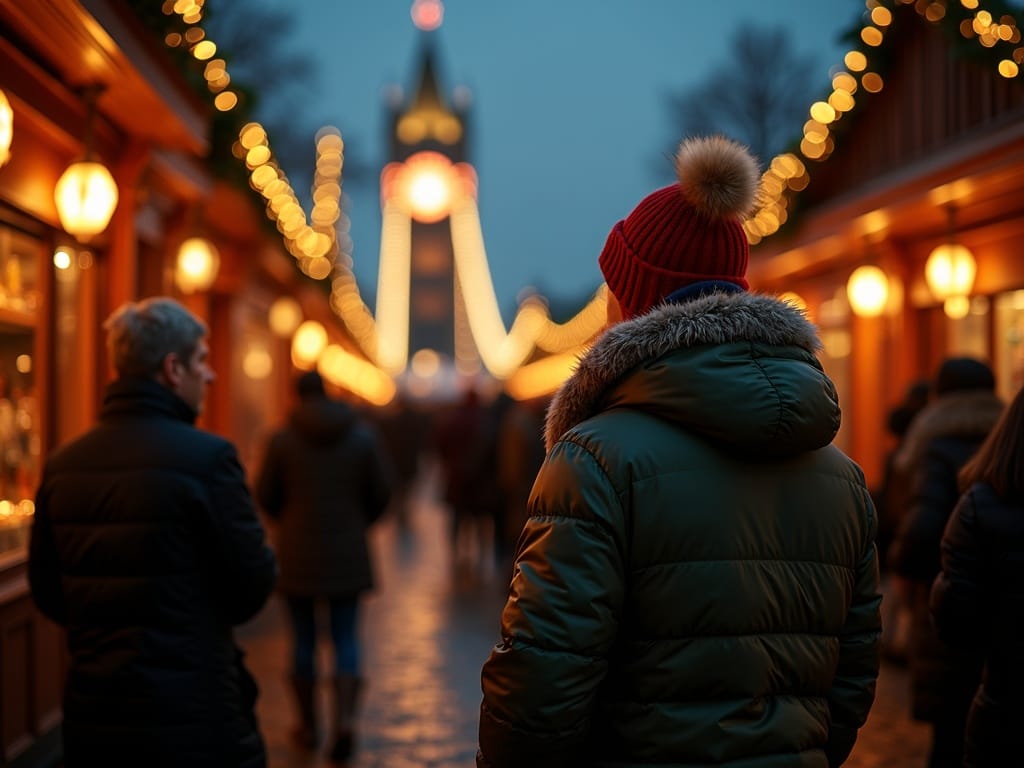
- Free museums: British Museum, Natural History Museum, Tate Modern, National Gallery, V&A Museum
- Free sights: Changing of the Guard, Borough Market (window-shop or buy a single dish), Hyde Park, South Bank walk
- Budget food: Supermarket meal deals (£3–£5), street food at Camden Market, Brick Lane curry houses
- Transport: Use contactless for TfL (daily cap £8.10). See our Tube guide
- Accommodation: Hostels in zones 1–2 from £15–£25/night (Generator, Wombat’s, St Christopher’s)
Budget: ~£45–£55/day
Days 4–5: Oxford & the Cotswolds
Take a bus from London to Oxford (from £5 one-way on Megabus/National Express). Explore the university colleges (many free to walk around), the Bodleian Library, and the Ashmolean Museum (free). From Oxford, catch a bus to Moreton-in-Marsh and explore nearby Cotswold villages on foot.
- Transport: Megabus London → Oxford from £5, local buses in Cotswolds £3–£5
- Accommodation: YHA Oxford hostel ~£22/night, B&Bs in Cotswolds ~£35–£50/night
- Highlight: Walk between Cotswold villages — Bourton-on-the-Water to Stow-on-the-Wold is a beautiful 4-mile route
Budget: ~£40–£50/day
Days 6–7: Bath & Stonehenge
Travel to Bath by train or bus. Explore the Roman Baths, walk the Royal Crescent, and visit the free Bath Abbey. Day trip to Stonehenge via the Stonehenge Tour Bus from Bath (approximately £40 including entry). Alternatively, view Stonehenge from the roadside for free.
- Transport: Oxford → Bath bus from £8, Stonehenge bus from Bath ~£40 (includes entry)
- Accommodation: YHA Bath hostel ~£20–£25/night
- Budget tip: The Thermae Bath Spa has a rooftop pool with great views — worth the £40 for a special experience
Budget: ~£45–£60/day
Days 8–9: Wales (Snowdonia)
Head to North Wales for dramatic mountain scenery. Snowdonia National Park offers world-class hiking without an entry fee. The Llanberis Path up Snowdon (the highest peak in Wales) is achievable for fit backpackers.
- Transport: Bath → Betws-y-Coed by train (change at Bristol/Crewe, advance ticket ~£25–£40)
- Accommodation: YHA Snowdon hostels from £18/night, camping from £10/night
- Highlight: Summit Snowdon (1,085m) for sunrise — one of the UK’s most rewarding hikes. See our Snowdonia guide
Budget: ~£35–£45/day
Days 10–11: Lake District
The Lake District is England’s most beautiful national park, with stunning lakes, fells, and charming villages. Hiking is free and spectacular — Catbells, Helvellyn, and Loughrigg Fell are classic routes. Windermere and Ambleside are the main backpacker bases.
- Transport: North Wales → Windermere by train (advance ~£20–£35)
- Accommodation: YHA Ambleside or Windermere from £18/night
- Budget tip: Pack lunch from the hostel kitchen. Supermarkets in Ambleside and Windermere are cheaper than lakeside cafés
Budget: ~£35–£45/day
Days 12–14: Edinburgh
Finish your trip in Scotland’s stunning capital. Edinburgh has incredible free attractions including the National Museum of Scotland, the Scottish National Gallery, walking the Royal Mile, and hiking Arthur’s Seat for panoramic views. Edinburgh Castle (£19.50) is worth the splurge.
- Transport: Lake District → Edinburgh by train (advance ~£20–£40)
- Accommodation: Edinburgh hostels from £18–£30/night
- Free highlights: Arthur’s Seat hike, Calton Hill, Greyfriars Kirkyard, Royal Mile, Scottish Parliament (free tours)
- Budget food: Supermarket haggis for £3, Mum’s Great Comfort Food for affordable local dishes
Budget: ~£40–£55/day
Total 2-Week Budget Estimate
| Category | Budget Estimate (14 days) |
|---|---|
| Accommodation | £250–£400 |
| Food & Drink | £180–£300 |
| Transport (inter-city) | £100–£200 |
| Local transport | £50–£100 |
| Activities & attractions | £50–£150 |
| Total | £630–£1,150 |
Money-Saving Tips for UK Backpackers
Transport
- Book trains early: Advance fares are 50–70% cheaper than walk-up prices. Use Trainline and book 6–12 weeks ahead
- Megabus and National Express: Coaches are the cheapest inter-city option, with fares from £1–£10
- Railcard: A 16–25 Railcard (£30/year) or 26–30 Railcard saves 1/3 on most train fares — pays for itself in 2–3 trips
- BritRail Pass: Consider a BritRail pass for unlimited train travel — can be excellent value for backpackers covering multiple cities
- Walk: UK cities are compact and walkable. Save transport money by exploring on foot
Accommodation
- YHA hostels: The Youth Hostel Association has hostels across England and Wales from £15/night, many in stunning locations
- SYHA: Scottish Youth Hostel Association hostels from £18/night
- Hostel kitchens: Cook your own meals in hostel kitchens — easily the biggest money saver
- Camping: Wild camping is legal in Scotland (under the Scottish Outdoor Access Code). In England and Wales, use designated campsites from £8–£15/night
Food
- Supermarket meal deals: Tesco, Sainsbury’s, and Boots offer lunch deals for £3–£5 (sandwich, snack, drink)
- Self-cater: Buy groceries from Aldi, Lidl, or Tesco and cook in hostel kitchens
- Free museum cafés: Many free museums have reasonably priced cafés
- Pub meal deals: Wetherspoons and similar chains offer meals from £5–£8
- Water: UK tap water is safe and excellent — fill your reusable bottle everywhere
UK ETA for Backpackers
Before entering the UK, you need a valid Electronic Travel Authorisation (ETA). The ETA costs £20, is valid for two years, and allows multiple entries for stays of up to six months — more than enough for a backpacking trip. Apply online or via the UK ETA app. For detailed steps, see our application guide.



Frequently Asked Questions
How much does it cost to backpack the UK for 2 weeks?
A budget backpacking trip through the UK for 14 days costs approximately £630–£1,150, depending on your spending habits. This assumes hostel accommodation (£15–£30/night), self-catering with occasional eating out, advance train bookings, and taking advantage of free attractions and activities.
Is the UK expensive for backpackers?
The UK is more expensive than Southeast Asia or Eastern Europe but comparable to Western Europe. London is the most expensive part — costs drop significantly outside the capital. The key to budget backpacking in the UK is advance transport booking, hostel kitchens, free museums and walks, and supermarket meal deals.
What is the best time to backpack the UK?
May to September offers the warmest weather and longest daylight hours, making it ideal for outdoor activities and hiking. June and September offer a good balance of decent weather and fewer crowds than peak summer (July–August). Check our UK weather guide for seasonal details.
Can I wild camp in the UK?
Wild camping is legally permitted in Scotland under the Scottish Outdoor Access Code (with responsible camping principles). In England and Wales, wild camping is not generally permitted except in Dartmoor National Park and with specific landowner permission. Most backpackers use designated campsites or hostels in England and Wales.
Do I need a UK ETA for backpacking?
Yes, most non-visa nationals need a UK ETA to enter the United Kingdom. The ETA costs just £20, is valid for two years with multiple entries, and allows stays of up to six months — plenty of time for a backpacking adventure. Apply online before your trip and keep the confirmation on your phone.
Practical UK travel preparation guide
Effective UK travel preparation begins with understanding the new ETA requirements that apply to most international visitors since April 2025. Apply for UK ETA at least 7-10 days before your departure date — though standard processing takes only 3 business days, Home Office may in rare cases request additional documentation, extending the process to 5-10 business days. Ensure your passport is valid at least 3 months beyond your planned return date — UK ETA is linked to the passport number and becomes automatically invalid if you renew your passport.
For payment via the UK ETA portal, all major Visa and Mastercard cards are accepted globally. The £20 fee is charged in pounds sterling, with your card provider handling currency conversion. Keep your payment confirmation and approval email digitally — although ETA is electronically linked to your passport, low-cost airlines like Ryanair and easyJet check ETA status at boarding gates. Major carriers (BA, SAS, KLM) verify automatically through passport scan.
For local transport in the UK, the smartest approach is using contactless payment with Visa/Mastercard or an Oyster Card. London Underground, buses, DLR, and suburban trains accept all these methods with daily price capping (£8.50 for zones 1-2). For longer journeys, the Trainline app is the best platform — Advanced fares booked 12 weeks ahead are 50-70% cheaper than walk-up tickets. Britain has a privatised rail system, so prices vary significantly between operators.
British culture and etiquette for international visitors
British politeness is legendary and may surprise visitors from more direct cultures. “Sorry”, “Please” and “Thank you” are used constantly — even without obvious reason. Expect “How are you?” to be a politeness phrase rather than a serious question — answer simply with “Fine thanks, you?” British humour is dry and ironic, often self-deprecating. Tipping is not mandatory but 10-15% in restaurants is expected. In pubs, you order at the bar and pay immediately — there is no table service. Queues are sacred — pushing past someone is the worst social faux pas in UK.
For families visiting the UK, there are abundant cultural experiences. London offers British Museum, National Gallery, and Tate Modern — all free. Tower of London costs £33.60 per adult (children 5-15 years £16.80). Buckingham Palace opens for visits August-September for £30. For West End musicals, book through TodayTix app for the best last-minute prices. Pub culture is central — traditional pubs serve food 12:00-14:00 and 18:00-21:00. Children are welcome in most pubs until 21:00.
Frequently asked questions about UK travel
How long does the UK ETA application take?
Standard processing time is 3 business days online. In 95% of cases applicants receive approval within 24-48 hours. Apply at least 5-7 days before departure — Home Office may in rare cases request additional documentation, extending the process to 5-10 business days. Filling out the form itself takes only 10 minutes when you have your passport, credit card, and travel info ready.
What does UK ETA cost in 2026?
UK ETA costs £20 per person from 9 April 2025. There are no extra fees if you apply directly via gov.uk or the official UK ETA app. Beware of third-party websites that charge “service fees” up to £80 — these are not necessary and explicitly discouraged by UK Home Office.
How many times can I travel with the same ETA?
UK ETA is a multiple-entry permission valid for 2 years (or until your passport expires, whichever comes first). You can travel in and out as often as you wish during the validity period, with up to 6 months stay per entry. This means you can use the same ETA for weekend trips, summer holidays, and business travel without applying again.
Do children need UK ETA?
Yes, all visitors regardless of age need their own UK ETA. For children under 18, a parent can apply on their behalf via the same online portal — create a separate application per child with their passport details. Children also pay £20, making it expensive for large families.
What happens if my application is rejected?
If your UK ETA is rejected, you receive an email with the specific reason. The most common rejection grounds are: incorrectly entered passport number, prior immigration violations, or suspicion of dishonest travel purposes. You can apply again after 6 months, or alternatively apply for a Standard Visitor Visa via UK Visas and Immigration.
Can I work on UK ETA?
No. UK ETA is exclusively for tourism, short family visits and short-term business activities (meetings, conferences, negotiations). Working in the UK requires a proper work visa (Skilled Worker, Health and Care Worker, etc.). Violation of ETA terms — e.g., working without authorization — leads to deportation and a 5-10 year entry ban.
 English
  العربية
  বাংলা
বাংলা  Български
  Català
  简体中文
简体中文  Hrvatski
  Čeština
  Dansk
Dansk  Nederlands
  Eesti
Eesti  Suomi
Suomi  Français
  Deutsch
  Ελληνικά
  עִבְרִית
  हिन्दी
  Magyar
  Íslenska
  Bahasa Indonesia
  Italiano
  日本語
日本語  한국어
한국어  Latviešu valoda
  Lietuvių kalba
  Bahasa Melayu
  Norsk bokmål
  Polski
  Português
  Română
  Slovenčina
  Slovenščina
  Español
  Svenska
  Türkçe
  Tiếng Việt