Những điểm chính
Cách thanh toán ở Anh bằng thẻ và liên lạc không tiếp xúc. Các phương thức thanh toán được chấp nhận, Apple Pay, phí cần tránh, và mẹo tiền tệ cho khách du lịch ở Anh.
Thanh toán ở Anh rất đơn giản đối với du khách — thẻ không tiếp xúc, Apple Pay và Google Pay được chấp nhận hầu như ở mọi nơi, làm cho tiền mặt phần lớn là không cần thiết vào năm 2026. Đứng tại quầy cà phê London, nhiều du khách quốc tế tự hỏi liệu thẻ của họ có hoạt động hay họ cần tiền mặt. May mắn thay, thanh toán ở Anh: thẻ, không tiếp xúc và ứng dụng đã trở nên đơn giản hơn rất nhiều đối với các gia đình và cặp đôi đến thăm Anh. Hầu hết các cơ sở hiện chấp nhận nhiều phương thức thanh toán, làm cho giao dịch đơn giản cho khách du lịch từ khắp nơi trên thế giới.
Anh dẫn đầu châu Âu về việc áp dụng thanh toán không tiếp xúc, với hơn 95% giao dịch bằng thẻ hiện được xử lý mà không cần PIN. Ngoài ra, các ứng dụng thanh toán di động đã thay đổi cách cả người dân địa phương và du khách xử lý các khoản chi phí hàng ngày. Do đó, hiểu rõ bối cảnh thanh toán sẽ giúp gia đình bạn điều hướng mọi thứ từ chuyến đi tàu điện ngầm đến bữa ăn tại nhà hàng một cách tự tin.
Hướng dẫn toàn diện này bao gồm mọi thứ bạn cần biết về thanh toán ở Anh: thẻ, không tiếp xúc và ứng dụng. Hơn nữa, chúng tôi sẽ khám phá nơi các phương thức thanh toán khác nhau hoạt động tốt nhất, cách tránh các khoản phí không cần thiết và phải làm gì khi công nghệ không hoạt động trong cuộc phiêu lưu Anh của bạn.
Thanh toán ở Anh: thẻ, không tiếp xúc và ứng dụng – những điều cơ bản cho du khách
Thanh toán không tiếp xúc thống trị thị trường Anh, với công nghệ chạm để thanh toán được chấp nhận hầu như ở mọi nơi. Hầu hết các thẻ ghi nợ và thẻ tín dụng quốc tế hoạt động liền mạch với các thiết bị thanh toán Anh. Tuy nhiên, thông báo cho ngân hàng của bạn về kế hoạch du lịch ngăn chặn các khối thẻ tiềm ẩn trong chuyến đi của bạn. Giới hạn giao dịch thường cho phép mua hàng lên đến £100 mà không cần xác minh bổ sung.
Các ứng dụng thanh toán di động cung cấp một lựa chọn thuận tiện khác cho các gia đình am hiểu công nghệ. Apple Pay, Google Pay và Samsung Pay tích hợp trực tiếp với các thẻ hiện có của bạn đồng thời cung cấp các tính năng bảo mật nâng cao. Đặc biệt, những ứng dụng này tạo ra các mã giao dịch duy nhất bảo vệ chi tiết thẻ thực tế của bạn. Hơn nữa, chúng thường xử lý nhanh hơn so với các thẻ không tiếp xúc truyền thống tại những địa điểm bận rộn.
Công nghệ Chip và PIN vẫn là tùy chọn dự phòng khi không tiếp xúc không hoạt động. Những du khách quốc tế nên đảm bảo rằng các thẻ của họ bao gồm công nghệ chip để có khả năng tương thích tối đa. Mặc dù các thẻ dải từ vẫn hoạt động ở một số địa điểm, nhưng các thẻ tích hợp chip cung cấp bảo mật tốt hơn và chấp nhận rộng rãi hơn trên khắp Anh.
Thiết lập Apple Pay, Google Pay và Samsung Pay
Thiết lập các ứng dụng thanh toán di động trước chuyến đi UK của bạn đảm bảo các giao dịch suôn sẻ từ ngày đầu tiên. Trước tiên, tải xuống ứng dụng ưa thích của bạn và thêm các thẻ quốc tế của bạn thông qua quy trình xác minh an toàn. Các ngân hàng thường gửi mã xác nhận qua tin nhắn văn bản hoặc email để xác thực các đăng ký thiết bị mới. Sau đó, bạn có thể sử dụng điện thoại hoặc đồng hồ thông minh của mình để thanh toán ở khắp nơi ở Anh.

Người dùng Apple Pay nên mở ứng dụng Wallet và nhấn vào dấu cộng để thêm thẻ. Tiếp theo, quét thẻ của bạn bằng camera của điện thoại hoặc nhập chi tiết theo cách thủ công. Ngân hàng của bạn sẽ xác minh thẻ thông qua quy trình bảo mật tiêu chuẩn của họ. Cuối cùng, bạn sẽ nhận được xác nhận rằng thẻ đã sẵn sàng để thanh toán không tiếp xúc.
Google Pay tuân theo quy trình thiết lập tương tự thông qua giao diện chính của ứng dụng. Ngoài ra, dịch vụ này liên kết với Gmail để tự động đề xuất các thẻ từ các báo cáo gần đây. Samsung Pay mang lại những lợi thế độc đáo vì nó hoạt động với cả thiết bị đầu cuối không tiếp xúc và các đầu đọc dải từ cũ hơn. Do đó, người dùng thiết bị Samsung có thể tưởng hưởng khả năng tương thích thanh toán rộng nhất trên các cơ sở khác nhau tại Anh.
Kiểm tra thiết lập thanh toán di động của bạn tại nhà ngăn chặn những bất ngờ khó chịu trong suốt chuyến du lịch. Hơn nữa, bật xác thực sinh trắc học (nhận dạng vân tay hoặc khuôn mặt) giúp tăng tốc độ xử lý giao dịch trong khi duy trì các tiêu chuẩn bảo mật mà các nhà bán lẻ Anh mong đợi.
Giới hạn chi tiêu hàng ngày và mẹo bảo mật
Giới hạn thanh toán không tiếp xúc ở UK cho phép giao dịch lên tới £100 mà không cần xác minh PIN, tăng từ £45 trong những năm gần đây. Tuy nhiên, nhà phát hành thẻ của bạn có thể áp đặt giới hạn thấp hơn dựa trên chính sách bảo mật của họ. Do đó, kiểm tra với ngân hàng của bạn trước khi đi du lịch sẽ giúp tránh những từ chối thanh toán bất ngờ vào những thời điểm quan trọng. Các ứng dụng thanh toán di động thường có giới hạn cao hơn hoặc không có giới hạn cụ thể vì chúng sử dụng các phương pháp xác thực bổ sung.
Các tính năng bảo mật được tích hợp vào công nghệ không tiếp xúc bảo vệ chống gian lận và sử dụng trái phép. Ví dụ, thẻ yêu cầu nhập PIN sau nhiều giao dịch không tiếp xúc liên tiếp để xác minh sự hiện diện của chủ thẻ. Hơn nữa, các yêu cầu về khoảng cách có nghĩa là thẻ phải nằm trong vòng 4 cm từ thiết bị đầu cuối để xử lý thanh toán. Tuy nhiên, việc giữ thẻ trong ví chống RFID cung cấp sự yên tâm thêm cho những du khách quan tâm đến bảo mật.
- Giám sát hoạt động tài khoản thông qua các ứng dụng ngân hàng hàng ngày
- Báo cáo các thẻ bị mất hoặc bị đánh cắp ngay lập tức để ngăn chặn việc sử dụng trái phép
- Sử dụng các thiết bị thanh toán chính thức thay vì các thiết bị cầm tay khi có thể
- Giữ lại biên lai để theo dõi chi phí và khả năng giải quyết tranh chấp
Thông báo giao dịch được gửi đến điện thoại của bạn cung cấp các cảnh báo chi tiêu thời gian thực trong suốt hành trình UK của bạn. Bên cạnh đó, nhiều ngân hàng cung cấp các lần tăng giới hạn chi tiêu tạm thời cho những du khách, điều này có thể đặc biệt hữu ích cho các gia đình thực hiện những giao dịch mua lớn hơn như chỗ ở hoặc vé tham quan các điểm hấp dẫn.

Nơi bạn có thể thanh toán bằng thẻ so với tiền mặt ở Anh
Hiểu rõ những nơi các phương thức thanh toán khác nhau hoạt động tốt nhất giúp các gia đình lập kế hoạch chiến lược chi tiêu UK của họ một cách hiệu quả. Hầu hết các cơ sở hiện đại chấp nhận thẻ, nhưng một số địa điểm truyền thống vẫn ưa thích giao dịch bằng tiền mặt. Do đó, mang theo một lượng nhỏ bảng Anh cung cấp những lựa chọn dự phòng khi thanh toán điện tử không khả dụng hoặc không thực tế.
Các khu vực đô thị cung cấp sự chấp nhận thẻ gần như phổ biến, trong khi các địa điểm nông thôn có thể có những lựa chọn hạn chế hơn. Ngoài ra, các cơ sở cũ hơn, đặc biệt là ở các khu vực lịch sử, đôi khi vẫn duy trì các chính sách chỉ dùng tiền mặt do các thực hành kinh doanh truyền thống hoặc những hạn chế về kỹ thuật. Tuy nhiên, phần lớn các địa điểm mà các gia đình thường ghé thăm dễ dàng chấp nhận các thẻ quốc tế và thanh toán di động.
Giao thông vận tải, nhà hàng và địa điểm thu hút
Hệ thống giao thông vận tải của London minh họa sự đón nhận công nghệ không tiếp xúc của Anh. Transport for London (TfL) chấp nhận các thẻ không tiếp xúc, thanh toán di động và thẻ Oyster trên các xe buýt, tàu điện, tàu và xe điện. Hơn nữa, sử dụng thanh toán không tiếp xúc thường mang lại các lợi ích giá cùa như thẻ Oyster mà không cần mua riêng. Do đó, các gia đình có thể chỉ cần chạm thẻ hoặc điện thoại của họ để đi lại khắp thủ đô.
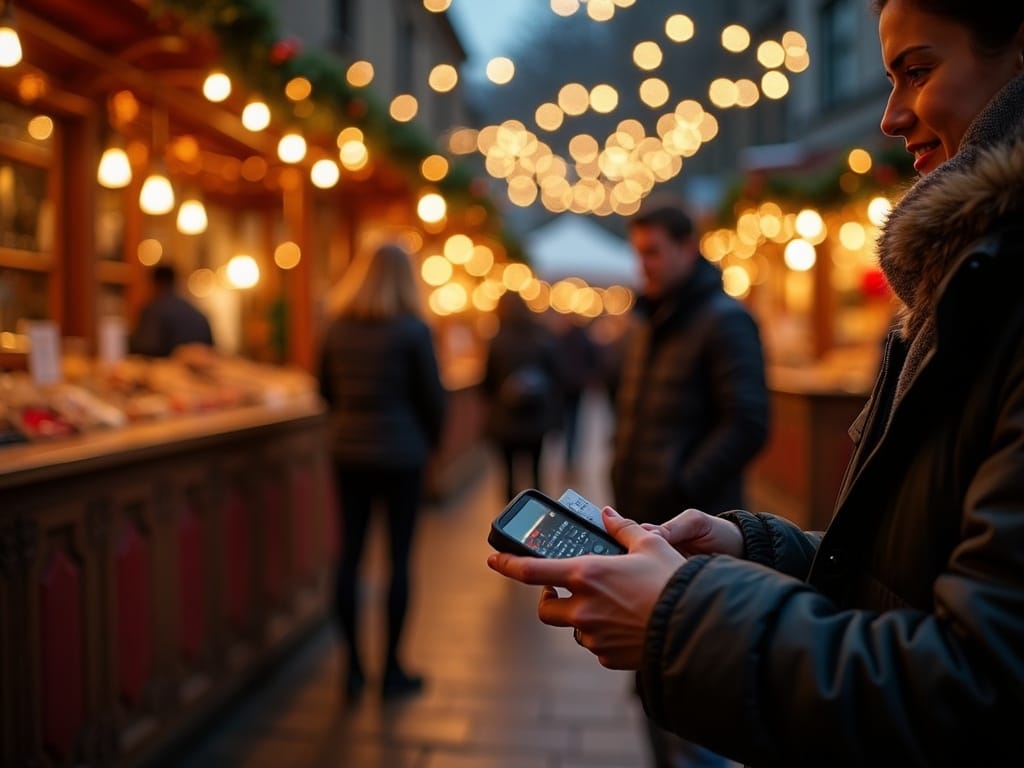
Các nhà hàng trên khắp Anh đều chấp nhận thanh toán bằng thẻ, từ các cơ sở cao cấp đến các địa điểm ăn uống bình casual. Nhiều nhà hàng hiện mang theo máy đầu cuối di động đến bàn của bạn, cho phép thanh toán mà không cần rời khỏi chỗ ngồi. Ngược lại, một số quán pub truyền thống có thể thích tiền mặt cho những đơn hàng nhỏ, mặc dù hầu hết đều chấp nhận thanh toán bằng thẻ bất kể kích thước giao dịch. Các ứng dụng giao hàng thực phẩm cũng hợp nhất liền mạch với các phương thức thanh toán quốc tế.
Các địa điểm thu hút chính, bảo tàng và địa điểm giải trí ưu tiên thanh toán không tiếp xúc để thuận tiện cho du khách. Chẳng hạn, các địa điểm thu hút như Tháp London, Lâu đài Edinburgh và Stonehenge cung cấp nhiều tùy chọn thanh toán bao gồm đặt phòng trực tuyến trước. Hơn nữa, các cửa hàng quà tặng và quán ăn trong các địa điểm này thường chấp nhận các phương thức thanh toán giống như hoạt động chính của chúng.
Chợ, cửa hàng nhỏ và những tình huống cho tiền boa
Các chợ truyền thống có những tình huống thanh toán hỗn hợp mà các gia đình nên chuẩn bị cho phù hợp. Borough Market ở London chấp nhận thẻ tại hầu hết các quầy hàng được thiết lập, trong khi các nhà cung cấp nhỏ hơn có thể hoạt động với hệ thống chỉ dùng tiền mặt. Tương tự, Camden Market và các địa điểm khác tập trung vào du khách ngày càng hỗ trợ thanh toán không tiếp xúc. Tuy nhiên, mang theo tiền mặt đảm bảo truy cập vào những vật phẩm độc đáo từ những nhà cung cấp chưa áp dụng các hệ thống thanh toán điện tử.
Các cửa hàng độc lập và butik nói chung chấp nhận thẻ, mặc dù đôi khi có những yêu cầu mua hàng tối thiểu. Ví dụ, một số nhà bán lẻ nhỏ yêu cầu giao dịch thẻ tối thiểu £5 hoặc £20 để bù đắp phí xử lý. Ngoài ra, các cửa hàng góc (cửa hàng tiện lợi) phổ biến chấp nhận thanh toán không tiếp xúc, làm cho chúng trở thành lựa chọn lý tưởng cho các gia đình cần mua sắm nhanh chóng trong suốt cuộc phiêu lưu UK của họ.
Văn hóa tiền tip ở UK khác biệt đáng kể so với các quốc gia khác, ảnh hưởng đến lựa chọn phương pháp thanh toán. Phí dịch vụ nhà hàng thường xuất hiện trên hóa đơn tự động, loại bỏ nhu cầu tiền tip bằng tiền mặt bổ sung. Tuy nhiên, khi phí dịch vụ không được bao gồm, để lại tiền tip bằng tiền mặt vẫn được nhân viên phục vụ ưa thích. Do đó, giữ sẵn các mệnh giá nhỏ giúp duy trì l礼节tiền tip thích hợp trong suốt chuyến thăm của bạn.
Các dịch vụ taxi thể hiện hoàn hảo sự phát triển của các hệ thống thanh toán UK. Những chiếc taxi đen ở London chấp nhận cả thanh toán bằng tiền mặt và thẻ, trong khi các ứng dụng chia sẻ chuyến xe như Uber xử lý giao dịch tự động thông qua các nền tảng của họ. Do đó, các gia đình có thể chọn phương pháp thanh toán ưa thích của họ dựa trên sự tiện lợi và sở thích cá nhân thay vì những hạn chế kỹ thuật.
Ứng dụng ngân hàng và trao đổi tiền tệ cho du khách
Các ứng dụng ngân hàng hiện đại cung cấp các công cụ thiết yếu để quản lý tiền bạc một cách hiệu quả trong các chuyến thăm UK. Tỷ giá hối đoái theo thời gian thực, thông báo giao dịch và phân tích chi tiêu giúp các gia đình theo dõi ngân sách du lịch của họ một cách chính xác. Hơn nữa, nhiều ứng dụng cung cấp các cài đặt du lịch tạm thời giảm các hạn chế bảo mật trong khi vẫn duy trì bảo vệ chống gian lận. Những khách ghé thăm quốc tế nên tải ứng dụng ngân hàng của họ trước khi khởi hành để đảm bảo quản lý tài chính suôn sẻ trong suốt chuyến đi của họ.
Các cân nhắc về trao đổi tiền tệ tác động đáng kể đến tổng chi phí du lịch cho các gia đình quốc tế. Các ngân hàng thường cung cấp tỷ giá hối đoái cạnh tranh so với các quầy sân bay hoặc dịch vụ trao đổi tập trung vào khách du lịch. Ngoài ra, sử dụng thẻ để mua hàng thường cung cấp tỷ giá tốt hơn so với việc trao đổi tiền mặt trước. Tuy nhiên, hiểu rõ cấu trúc phí giao dịch ngoại tệ của ngân hàng của bạn giúp đưa ra quyết định thanh toán thông tin trước cuộc phiêu lưu UK của bạn.
Các thẻ du lịch tốt nhất cho các gia đình quốc tế
Các thẻ tín dụng du lịch chuyên dụng loại bỏ phí giao dịch ngoại tệ trong khi cung cấp các lợi ích bổ sung cho khách thăm UK. Những thẻ này thường cung cấp bảo vệ gian lận nâng cao, hỗ trợ khẩn cấp và bảo hiểm du lịch. Hơn nữa, một số thẻ cung cấp điểm thưởng hoặc hoàn tiền cho các giao dịch quốc tế, có hiệu quả giảm tổng chi phí du lịch. Nghiên cứu các tùy chọn có sẵn trước chuyến đi của bạn đảm bảo giá trị tối đa từ chi tiêu UK của bạn.
- Các thẻ không có phí giao dịch ngoại tệ tiết kiệm 2-3% cho mỗi lần mua hàng
- Các thẻ tập trung vào du lịch thường bao gồm dịch vụ thay thế thẻ khẩn cấp
- Một số thẻ cung cấp bảo hiểm du lịch miễn phí cho chủ thẻ
- Các thẻ cao cấp có thể cung cấp quyền truy cập phòng chờ sân bay và dịch vụ hỗ trợ khách hàng
Thẻ du lịch trả trước cung cấp một tùy chọn khác cho các gia đình ưu tiên ngân sách chi tiêu được kiểm soát. Những thẻ này cho phép nạp các khoản tiền cụ thể bằng bảng Anh, ngăn chặn chi tiêu quá mức trong khi cung cấp sự tiện lợi thanh toán bằng thẻ. Tuy nhiên, việc kiểm tra các cấu trúc phí vẫn quan trọng bởi vì một số thẻ trả trước tính phí cho rút tiền ATM, truy vấn số dư hoặc bảo trì hàng tháng.
Thẻ ghi nợ từ các ngân hàng trực tuyến thường cung cấp các điều khoản sử dụng quốc tế cạnh tranh. Ví dụ, một số ngân hàng kỹ thuật số cung cấp rút tiền ATM miễn phí trên toàn thế giới và tỷ giá hối đoái thực tế. Do đó, so sánh các khoản phí quốc tế của ngân hàng hiện tại của bạn với các tùy chọn ngân hàng du lịch chuyên biệt có thể tiết lộ những cơ hội tiết kiệm đáng kể cho những du khách thường xuyên.
Tránh các khoản phí giao dịch ngoại tệ
Các khoản phí giao dịch ngoại tệ có thể thêm 2-4% vào mọi giao dịch mua hàng ở UK, ảnh hưởng đáng kể đến ngân sách du lịch gia đình. Các ngân hàng truyền thống thường tính các khoản phí này tự động mà không có sự tiết lộ rõ ràng cho chủ thẻ. Tuy nhiên, nhiều tổ chức tài chính hiện nay cung cấp các thẻ quốc tế miễn phí được thiết kế đặc biệt cho du khách. Do đó, chuyển sang các thẻ phù hợp trước chuyến đi UK của bạn có thể mang lại tiết kiệm đáng kể.

Chuyển đổi tiền tệ động đại diện cho một bẫy chi phí tiềm ẩn khác cho những du khách không cẩn thận. Một số thương nhân đề nghị xử lý thanh toán bằng tiền tệ quốc gia của bạn thay vì bảng Anh, thường với tỷ giá hối đoái bất lợi. Ngoài ra, dịch vụ này thường bao gồm các khoản phí ẩn vượt quá các khoản phí giao dịch ngoại tệ tiêu chuẩn. Do đó, luôn chọn thanh toán bằng tiền tệ địa phương (GBP) khi được tùy chọn trong quá trình thanh toán.
Các chiến lược sử dụng ATM cũng ảnh hưởng đến tổng chi phí giao dịch trong các chuyến thăm UK. Các máy ATM do ngân hàng sở hữu thường cung cấp tỷ giá hối đoái tốt hơn so với các máy độc lập được tìm thấy ở các khu vực du lịch. Hơn nữa, rút số tiền lớn hơn ít thường xuyên hơn sẽ giảm tác động của các khoản phí trên mỗi giao dịch. Tuy nhiên, cân bằng nhu cầu tiền mặt với mối quan tâm về bảo mật vẫn quan trọng đối với những du khách gia đình mang theo tiền ở những địa điểm không quen thuộc.
Khắc phục sự cố thanh toán trong chuyến đi UK của bạn
Các vấn đề thanh toán có thể gây gián đoạn kế hoạch du lịch, nhưng sự chuẩn bị và hành động nhanh chóng giảm thiểu tác động của chúng đối với kỳ nghỉ gia đình. Các vấn đề phổ biến bao gồm khóa thẻ do mẫu chi tiêu bất thường, lỗi kỹ thuật tại các thiết bị thanh toán và các vấn đề kết nối với ứng dụng thanh toán di động. May mắn thay, hầu hết các vấn đề thanh toán có các giải pháp đơn giản mà du khách có thể triển khai nhanh chóng.
Các thông báo thẻ bị từ chối thường do các hệ thống bảo mật gắn cờ việc sử dụng quốc tế như hoạt động gian lận tiềm tàng. Các ngân hàng thực hiện các biện pháp bảo vệ này để ngăn chặn các giao dịch trái phép, nhưng chúng có thể gây bất tiện cho những du khách hợp pháp. Do đó, thông báo cho ngân hàng của bạn về ngày tháng và điểm đến du lịch trước khi khởi hành sẽ làm giảm đáng kể khả năng bị khóa thẻ bất ngờ trong cuộc phiêu lưu UK của bạn.
Các giải pháp kỹ thuật giải quyết hầu hết các vấn đề thiết bị thanh toán phổ biến một cách hiệu quả. Trước tiên, hãy đảm bảo chip của thẻ tiếp xúc đúng với đầu đọc thiết bị trong suốt quá trình giao dịch. Tiếp theo, hãy thử làm sạch chip và dải từ của thẻ bằng một miếng vải mềm để loại bỏ bất kỳ mảnh vỡ nào. Nếu thanh toán không tiếp xúc thất bại, việc chèn chip và sử dụng xác minh PIN thường cung cấp một phương pháp thay thế đáng tin cậy.
Khắc phục sự cố thanh toán di động yêu cầu các cách tiếp cận khác nhau tùy thuộc vào sự kết hợp cụ thể giữa ứng dụng và thiết bị. Khởi động lại điện thoại của bạn làm mới kết nối của ứng dụng thanh toán với các hệ thống phê duyệt của ngân hàng của bạn. Ngoài ra, đảm bảo kết nối internet mạnh mẽ giúp các ứng dụng thanh toán giao tiếp đúng cách với các tổ chức tài chính. Trên hết, việc giữ sẵn các phương thức thanh toán dự phòng ngăn chặn các điểm lỗi đơn lẻ làm gián đoạn trải nghiệm du lịch của bạn.
- Mang theo nhiều phương thức thanh toán (thẻ từ các ngân hàng khác nhau)
- Giữ tiền mặt khẩn cấp ở các mệnh giá nhỏ
- Lưu trữ số điện thoại liên hệ của ngân hàng trong điện thoại của bạn để truy cập nhanh chóng
- Biết giới hạn rút tiền hàng ngày và giới hạn chi tiêu của thẻ của bạn
Các quy trình ứng phó khẩn cấp giúp gia đình xử lý những gián đoạn thanh toán nghiêm trọng một cách hiệu quả. Thẻ bị mất hoặc bị đánh cắp cần được báo cáo ngay lập tức để ngăn chặn việc sử dụng trái phép và tăng tốc độ dịch vụ thay thế. Nhiều ngân hàng cung cấp dịch vụ thay thế thẻ khẩn cấp trong vòng 24-48 giờ cho những người du lịch ở nước ngoài. Trong khi đó, các ứng dụng thanh toán di động có thể cung cấp các giải pháp thanh toán tạm thời trong khi chờ đợi thẻ vật lý thay thế đến tay.
Câu hỏi thường gặp
Tôi có thể sử dụng thẻ Mỹ/Châu Âu/Châu Á của mình trên khắp UK không?
Có, thẻ tín dụng và ghi nợ Visa và Mastercard quốc tế hoạt động trên khắp UK. Tuy nhiên, thông báo cho ngân hàng của bạn về kế hoạch du lịch giúp ngăn chặn các khối bảo mật tiềm ẩn. Ngoài ra, các thẻ có công nghệ chip cung cấp khả năng tương thích tốt hơn so với các thẻ chỉ có sọc từ.
Tôi có cần tiền mặt cho bất cứ thứ gì cụ thể ở UK không?
Hầu hết các giao dịch ở UK chấp nhận thẻ, nhưng giữ £20-50 tiền mặt giúp ích với tiền boa, những người bán nhỏ ở chợ và các tình huống khẩn cấp. Hơn nữa, một số quán rượu truyền thống hoặc các cơ sở ở vùng nông thôn có thể thích tiền mặt cho các giao dịch nhỏ, mặc dù điều này đang trở nên ngày càng hiếm.
Giới hạn thanh toán không tiếp xúc có giống nhau đối với du khách và người địa phương không?
Giới hạn thanh toán không tiếp xúc của UK áp dụng bình đẳng cho tất cả các thẻ bất kể quốc tịch của chủ thẻ. Hiện tại, giới hạn là £100 trên mỗi giao dịch mà không cần xác minh PIN. Tuy nhiên, ngân hàng nhà của bạn có thể áp dụng giới hạn thấp hơn, vì vậy kiểm tra trước khi du lịch giúp tránh những bất ngờ.
Tôi nên làm gì nếu thẻ của tôi ngừng hoạt động trong suốt lần thăm UK của tôi?
Trước tiên, hãy liên hệ với ngân hàng của bạn ngay lập tức để kiểm tra các tạm giữ bảo mật hoặc các vấn đề kỹ thuật. Trong khi đó, hãy thử sử dụng các phương thức thanh toán thay thế như ứng dụng di động hoặc các thẻ khác. Hầu hết các ngân hàng đều cung cấp dịch vụ thay thế thẻ khẩn cấp cho du khách, thường được giao trong vòng 1-2 ngày làm việc.
Làm cho thanh toán hoạt động cho cuộc phiêu lưu UK của bạn
Điều hướng thành công các hệ thống thanh toán UK nâng cao trải nghiệm du lịch của gia đình bạn đồng thời tránh các rắc rối và chi phí không cần thiết. Công nghệ hiện đại đã làm cho việc thanh toán ở Anh: thẻ, thanh toán không tiếp xúc và ứng dụng trở nên vô cùng đơn giản đối với du khách quốc tế. Hơn nữa, hiểu biết về nơi các phương thức thanh toán khác nhau hoạt động tốt nhất giúp các gia đình lên kế hoạch chiến lược chi tiêu của họ một cách hiệu quả.
Chuẩn bị vẫn là chìa khóa để các giao dịch tài chính suôn sẻ trong suốt hành trình ở Anh của bạn. Thiết lập các ứng dụng thanh toán di động, thông báo cho các ngân hàng về kế hoạch du lịch và nghiên cứu các lựa chọn thẻ miễn phí có thể mang lại tiết kiệm đáng kể. Ngoài ra, mang theo các phương thức thanh toán dự phòng đảm bảo rằng các sự cố kỹ thuật hoặc tạm giữ bảo mật không làm gián đoạn kế hoạch kỳ nghỉ của bạn một cách bất ngờ.
Cơ sở hạ tầng thanh toán tiên tiến của Anh chào đón du khách quốc tế với cánh tay mở rộng và các lựa chọn linh hoạt. Từ hệ thống giao thông không tiếp xúc của London đến những điểm thu hút du lịch ở vùng nông thôn Scotland, các gia đình có thể tự tin khám phá Anh với kiến thức rằng phương thức thanh toán của họ sẽ hoạt động đáng tin cậy. Do đó, hãy tập trung vào việc tận hưởng cuộc phiêu lưu UK của bạn thay vì lo lắng về logistics tài chính.
Bạn đã sẵn sàng trải nghiệm cảnh quan thanh toán thân thiện của nước Anh trực tiếp chưa? Đăng ký ETA ngay bây giờ và bắt đầu lên kế hoạch cho cuộc phiêu lưu Anh không căng thẳng với sự tự tin rằng việc thanh toán mọi thứ từ chuyến đi tàu điện ngầm đến trà chiều sẽ đơn giản, an toàn và tiện lợi cho toàn bộ gia đình của bạn.
 English
  العربية
  বাংলা
বাংলা  Български
  Català
  简体中文
简体中文  Hrvatski
  Čeština
  Dansk
Dansk  Nederlands
  Eesti
Eesti  Suomi
Suomi  Français
  Deutsch
  Ελληνικά
  עִבְרִית
  हिन्दी
  Magyar
  Íslenska
  Bahasa Indonesia
  Italiano
  日本語
日本語  한국어
한국어  Latviešu valoda
  Lietuvių kalba
  Bahasa Melayu
  Norsk bokmål
  Polski
  Português
  Română
  Slovenčina
  Slovenščina
  Español
  Svenska
  Türkçe
  Tiếng Việt