
Key Takeaways
UK ETA for private jet passengers 2026: charter and general aviation give no exemption. Each passenger needs their own ETA at £20 — how the GAR differs.
Passengers on private jets need a UK ETA just as much as anyone flying economy on a scheduled service. Arriving by charter or business aircraft grants no exemption. If your passport is visa-free, you need the authorisation before wheels-up, at £20 per person. The operator’s paperwork does not cover you, and a missing ETA can mean an expensive delay on the tarmac.
TL;DR: Anyone travelling visa-free on a private or general-aviation flight into the UK needs their own ETA, linked to their own passport. The operator files a separate General Aviation Report for the flight, but that does not cover immigration permission. Budget £20 each, apply days ahead, and confirm approvals before departure.
| Quick Facts: private aviation and the ETA | Detail |
|---|---|
| Does a private jet exempt you? | No — the ETA still applies |
| Who files the flight report? | The operator or pilot (GAR) |
| Passenger authorisation | One ETA each, £20 |
| Where flights land | FBOs: Farnborough, Biggin Hill, Luton and more |
| Validity | 2 years or until the passport expires |
Before a charter, check the core ETA requirements and confirm every passenger’s passport appears on the eligible countries list. A visa national still needs a visa, jet or no jet.
Do private jet passengers need a UK ETA?
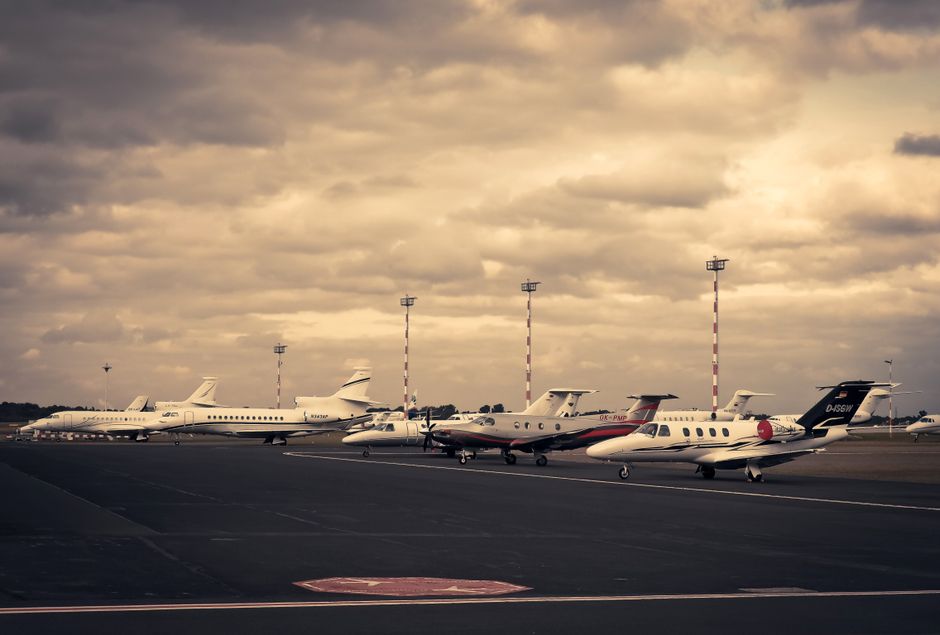
Yes. The authorisation is tied to the traveller and their passport, not to the aircraft or the airline. A billionaire on a Gulfstream and a backpacker on a budget carrier face exactly the same rule: a visa-free passport requires an ETA before travelling to the UK. Private aviation earns no special status at the border.
Charter travel feels bespoke, so people assume the handling company sweeps up every formality, but it does not. Border Force checks identity, passport and permission for a passenger stepping off a private jet at a small airfield exactly as it does for one arriving at Heathrow. The Home Office ETA guidance makes no exception for business aviation.
What differs is the process behind the scenes, not the passenger’s obligation. Whether you land at a major hub or a grass strip in the Cotswolds, your ETA must be approved and linked to the passport you carry. Business travellers should also confirm their planned activity is allowed — our business travel guide sets out what a visitor may and may not do.
How does the General Aviation Report differ from an ETA?
The flight and the passenger are cleared separately. Operators of general-aviation flights must submit a General Aviation Report (GAR) to Border Force and police before arrival, listing the aircraft, crew and passengers. That notification covers the flight. It does not replace the individual ETA each visa-free passenger needs in their own name.

The General Aviation Report tells the authorities a flight is coming and who is on board, so Border Force can decide whether to meet it. The ETA is the passenger’s own permission to seek entry. You need both, and neither replaces the other. Handlers coordinate the report; the passenger, or someone acting for them, arranges the authorisation.
Crews are handled under different arrangements again, so operating pilots and cabin staff should check their own category rather than assume passenger rules apply. For everyone in the cabin as a guest or client, though, the position is simple: no ETA, no lawful entry. Keep each passenger’s paperwork together using our trip documents checklist, and verify status through Border Force channels if a flight is unusual.
Arranging a charter for clients or family and short on time? We can review each passenger’s details and submit the applications, or you can file them directly on gov.uk for £20 a head.
Applying before a charter or business flight
Sort the ETAs the moment the passenger list is confirmed. Private flights are often booked at short notice, which is exactly when an overlooked authorisation causes chaos. Most approvals arrive within minutes, yet the Home Office allows up to three working days, so a same-day charter with an unapproved guest is a genuine risk worth avoiding.
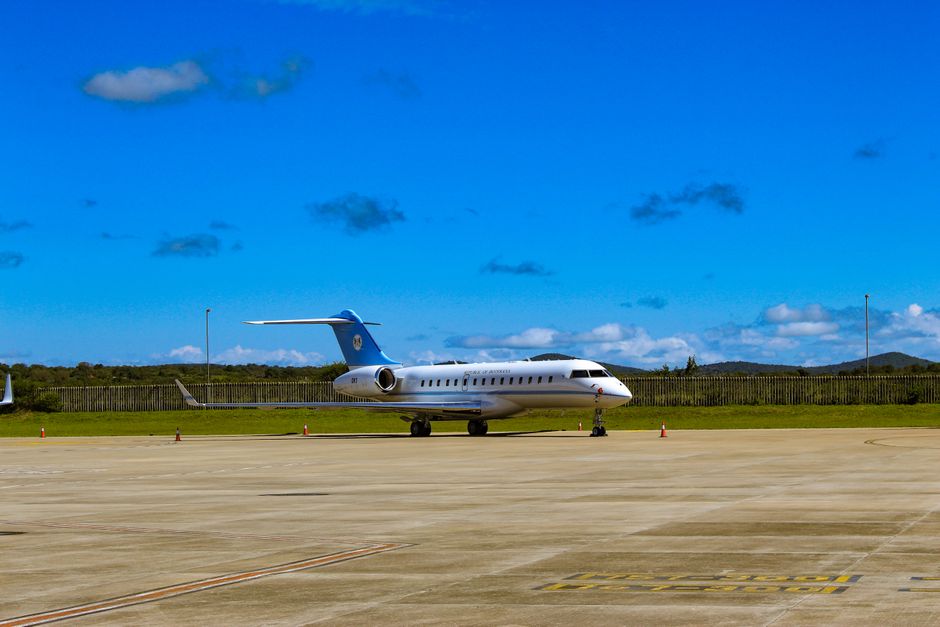
- Confirm the manifest early: get every passenger’s passport bio page as soon as the flight is set, using our timing guide.
- Apply per passenger: one form, one passport, one £20 fee for each guest on board.
- Pay together: a single card can settle every charge — see the payment methods guide.
- Check each approval: confirm the email for every name before the aircraft departs.
- Match passports at the door: each guest must board with the exact passport used to apply.
Late additions are the trap. A client invites a colleague the night before, nobody files the colleague’s ETA, and an otherwise smooth trip stalls at the UK airfield. Treat every new name as a fresh application, however last-minute. The documents checklist keeps the requirements to hand.
Costs and where private flights land
The fee is £20 per passenger, with no premium or discount for private travel. A charter carrying six guests needs six separate ETAs at £20 each, £120 in total, and skipping any one of them can ground the whole trip.
Private flyers pay the same fee as everyone else. It is now £20; earlier it cost £16 from 9 April 2025 and £10 at launch in October 2023 (Home Office ETA factsheet). Eligible visa-free nationals must hold an ETA, and EU nationals (except Irish citizens) are among them, so an EU executive flying private into the UK is covered by the same rule. The fee guide and cost breakdown set out the figures.
| Passengers on the flight | Total ETA cost | Notes |
|---|---|---|
| Solo executive | £20 | Still required |
| Family charter of 4 | £80 | Children charged in full |
| Business group of 6 | £120 | One card can pay all |
| Full cabin of 12 | £240 | Apply once the list is set |
Pro tip: Have your flight department or PA build the ETA step into the standard charter checklist, right beside the catering and handling requests. Making it routine — filed the moment the manifest closes — removes the single most common reason a private arrival is delayed at the ramp.
Common private-aviation mistakes to avoid
The classic error is assuming money or status buys a shortcut. It does not. Passengers who believe the handler, the pilot or the charter broker has arranged their immigration permission are the ones caught out when Border Force meets the aircraft and finds no authorisation on file against their passport.
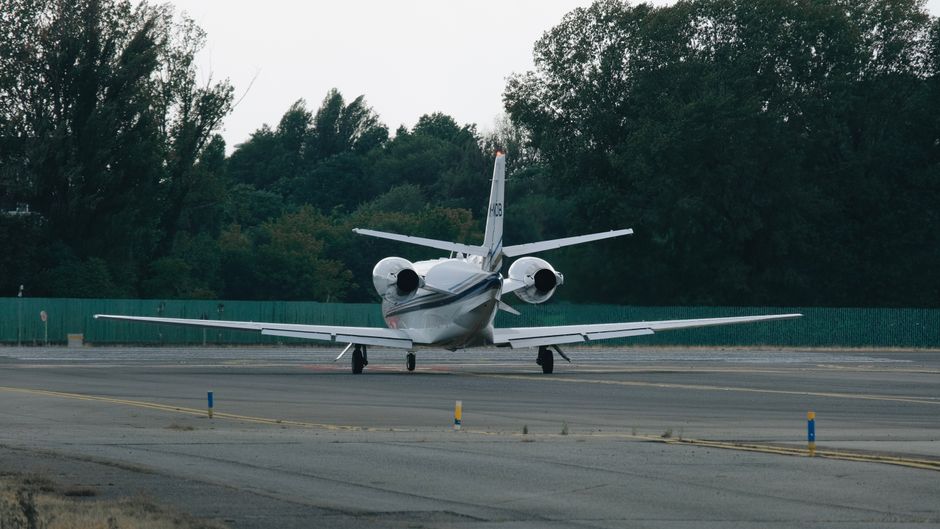
Real example: a US technology founder flew into Luton in 2026 for a morning board meeting, assuming his fixer had handled everything. The fixer had booked catering and cars but never filed an ETA. Border Force held him while an emergency application went through. It was approved in twelve minutes, but a two-minute check the day before would have spared him the nervous wait.
A calmer scenario shows the upside. A family from Qatar chartered into Biggin Hill for a summer holiday, and their travel manager filed four ETAs the week before, verifying each against the official visa checker and the visitor conditions in the standard visitor rules. They cleared the terminal in minutes. Preparation, not the aircraft, is what makes a private arrival feel effortless. Watch out too for copycat websites — our scam guide shows the tells.
Please note we are an independent assistance service, not the UK government; every passenger can apply themselves directly on gov.uk.
Frequently Asked Questions
Do passengers on a private jet need a UK ETA?
Yes. Arriving by private jet or general aviation gives no exemption. Every visa-free passenger needs their own ETA, tied to their passport, at £20. The aircraft type and airport make no difference to the requirement.
Does the pilot’s General Aviation Report cover the passengers?
No. The GAR notifies Border Force about the flight and who is on it, but it is not immigration permission. Each visa-free passenger still needs an individual ETA in their own name as well.
Which airports do private flights use, and are they checked?
Common terminals include Farnborough, Biggin Hill, London Luton and Oxford. Border Force can and does attend general-aviation arrivals at these sites, so the ETA requirement applies exactly as it would at Heathrow or Gatwick.
How much does the ETA cost for private passengers?
The fee is £20 per person, the same as for any traveller, with no surcharge for private aviation. It rose from £16 in April 2026. Children on the flight are charged in full, and the fee is non-refundable.
How late can I apply before a charter flight?
Most approvals come within minutes, but allow up to three working days to be safe. For a same-day charter, apply the instant a passenger is confirmed. Leaving it to departure risks a guest being held on arrival while an application is rushed through.
Do private aviation crew need an ETA too?
Operating crew fall under separate arrangements, so pilots and cabin staff should check their own category rather than the passenger rules. Anyone travelling as a guest or client in the cabin, however, needs a standard visitor ETA.
Can one person arrange ETAs for all passengers on the flight?
Yes. A PA, travel manager or broker can complete every application and pay on one card. Each authorisation still links to a single passenger’s passport, so accurate details for each guest are essential.
Private jet travellers follow the same UK ETA rules as everyone else, because chartering does not change the paperwork. File one authorisation per passenger the moment the manifest closes and check every approval before departure, so the arrival goes through the border without delay.
Written by James Crawford, Travel Documentation Editor. Last updated: 2026-07-09 — verified against gov.uk ETA and general aviation guidance.
 English
 العربية
 বাংলা
 Български
 Català
 简体中文
 Hrvatski
 Čeština
 Dansk
 Nederlands
 Eesti
 Suomi
 Français
 Deutsch
 Ελληνικά
 עִבְרִית
 हिन्दी
 Magyar
 Íslenska
 Bahasa Indonesia
 Italiano
 日本語
 한국어
 Latviešu valoda
 Lietuvių kalba
 Bahasa Melayu
 Norsk bokmål
 Polski
 Português
 Română
 Slovenčina
 Slovenščina
 Español
 Svenska
 Türkçe
 Tiếng Việt