
Key Takeaways
Best spring hikes in the Scottish Highlands. Top routes, difficulty levels, what to pack, scenic views, and practical tips for hiking in Scotland.
Spring in the Scottish Highlands offers breathtaking scenery with snow-capped peaks, blooming heather, and some of the UK’s most spectacular hiking trails. Are you wondering when to experience the Scottish Highlands at their most spectacular? Spring transforms these ancient mountains into a hiker’s paradise, offering perfect weather conditions and breathtaking scenery. Moreover, spring hikes in the Scottish Highlands provide families and couples with unforgettable adventures across some of Britain’s most stunning landscapes.
The months between March and May reveal the Highlands in their full glory. Snow-capped peaks contrast beautifully with emerging wildflowers below. Additionally, spring weather offers ideal hiking conditions with longer daylight hours and milder temperatures. For this reason, many experienced hikers consider this season perfect for exploring Scotland’s most famous trails.
Planning your Highland adventure requires careful consideration of routes, weather, and logistics. However, the rewards far outweigh any challenges you might face. Indeed, spring hiking in these ancient mountains creates memories that last a lifetime for visitors of all ages.
Best Spring Hiking Routes for Families and Couples
Choosing the right trail depends on your experience level and time available. The Scottish Highlands offer routes suitable for everyone, from gentle walks to challenging mountain climbs. Furthermore, spring conditions make many trails accessible that remain difficult during winter months. As a result, you’ll find options perfect for your family’s hiking abilities.
Easy trails for beginners enjoying spring hikes in the Scottish Highlands
Ben A’an near Callander provides an excellent introduction to Highland hiking. This compact mountain offers stunning views of Loch Katrine and the surrounding Trossachs. Moreover, the trail takes only 2-3 hours to complete, making it perfect for families with children. The well-maintained path ensures safe footing throughout your journey.
Conic Hill in Loch Lomond National Park delivers spectacular panoramic views with minimal effort required. The ascent takes approximately 1.5 hours, consequently making it ideal for couples seeking a romantic Highland experience. Additionally, the trail forms part of the famous West Highland Way, giving you a taste of Scotland’s premier long-distance path.
Glenfinnan Viaduct walks combine easy hiking with iconic Scottish scenery. The railway viaduct featured in Harry Potter films creates a magical backdrop for your spring adventure. Furthermore, several circular routes of varying lengths allow you to customize your hiking experience based on available time.
Moderate routes with stunning views
Ben Nevis, Britain’s highest peak, challenges more experienced hikers with its demanding terrain. However, spring conditions often provide the best weather window for attempting this iconic climb. The tourist path offers a non-technical route to the summit, although proper preparation remains essential. Therefore, allow 6-8 hours for the complete journey.
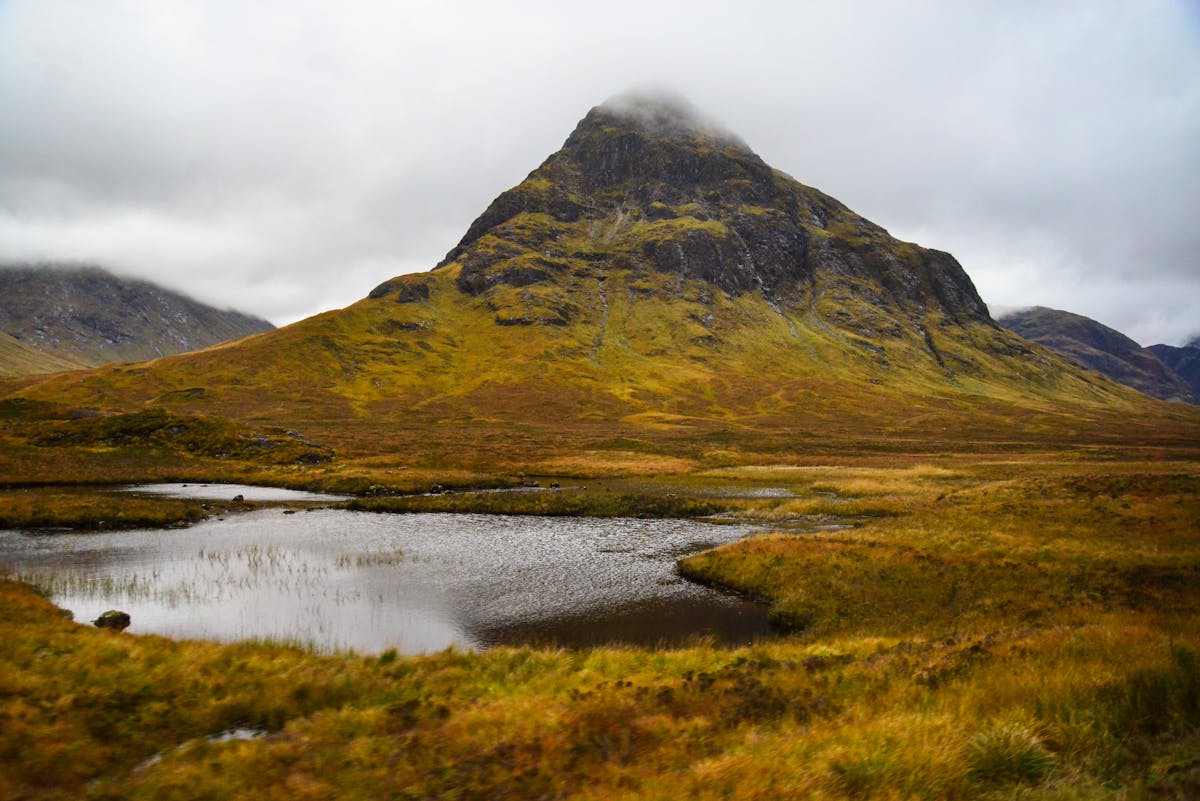
Buachaille Etive Mor in Glencoe presents one of Scotland’s most photographed mountains. The climb requires good fitness levels but rewards hikers with extraordinary views across the Highlands. In contrast to Ben Nevis, this route offers more varied terrain and technical interest throughout the ascent.
Ben Lomond stands as the most southerly Munro (mountain over 3,000 feet) in Scotland. Spring hiking on this peak provides excellent training for more challenging Highland adventures. Additionally, the clear path and moderate gradient make it suitable for confident beginners ready to progress their hiking skills.
Castle Fraser circular walk combines historical interest with beautiful Highland scenery. This moderate route takes you through ancient woodlands and offers glimpses of traditional Scottish architecture. Moreover, the trail provides excellent opportunities for wildlife spotting, particularly during spring months when animals become more active.
What to Pack for Spring Highland Hikes
Weather conditions change rapidly in the Scottish Highlands, especially during spring months. Consequently, proper equipment becomes crucial for safe and enjoyable hiking experiences. Pack layers that allow you to adjust your clothing as temperatures and conditions vary throughout the day.
- Waterproof jacket and trousers (essential for sudden weather changes)
- Warm fleece or insulated layer for higher altitudes
- Moisture-wicking base layers to maintain comfort
- Sturdy hiking boots with good ankle support
- Warm hat and gloves (temperatures drop significantly at elevation)
Navigation equipment ensures you stay on track during your Highland adventure. Furthermore, spring conditions can include limited visibility due to clouds or sudden weather changes. Therefore, always carry a detailed map and compass, even on well-marked trails.
- Ordnance Survey maps covering your planned route
- Compass and GPS device or smartphone with offline maps
- Head torch with spare batteries for early starts or unexpected delays
- First aid kit appropriate for mountain hiking
- Emergency whistle for attracting attention if needed
Food and water requirements increase significantly during Highland hiking. Pack more supplies than you expect to need, particularly for longer routes. Additionally, spring weather can be deceptively energy-sapping, making proper nutrition essential for maintaining strength throughout your hike.
Getting to the Scottish Highlands
Reaching the Scottish Highlands requires careful planning, especially for international visitors. However, excellent transport links connect the region to major UK cities and airports. Moreover, spring travel often offers better weather conditions and fewer tourist crowds compared to summer months.
Transport options from major UK cities
Flying to Scotland provides the fastest route from London and international destinations. Edinburgh and Glasgow airports offer regular connections to worldwide destinations. Additionally, both cities provide excellent onward transport links to Highland hiking areas. Domestic flights from other UK cities operate frequently throughout spring months.
Train travel offers scenic routes through beautiful British countryside. The Caledonian Sleeper provides overnight services from London to Scottish destinations, consequently saving accommodation costs. Furthermore, rail connections from Edinburgh and Glasgow reach many Highland towns directly. Advanced booking often secures significant savings on ticket prices.
Car rental gives maximum flexibility for exploring remote hiking areas. Driving allows you to access trailheads that public transport doesn’t reach easily. However, Highland roads can be narrow and challenging, particularly for drivers unfamiliar with British conditions. Therefore, consider your driving confidence before choosing this option.
Bus services connect major Highland destinations with cities throughout Scotland. Companies like Scottish Citylink operate regular services to popular hiking areas. Although journey times exceed other transport methods, buses provide an economical option for budget-conscious travelers. Moreover, many services run directly to trailhead locations.
Accommodation near popular hiking areas
Fort William serves as the outdoor capital of the Scottish Highlands. The town offers accommodation options ranging from luxury hotels to budget hostels. Additionally, Fort William provides easy access to Ben Nevis and other popular hiking destinations. Booking in advance becomes essential during peak spring hiking season.
Aviemore combines excellent hiking access with family-friendly amenities. The town sits within Cairngorms National Park, offering immediate access to stunning Highland scenery. Furthermore, Aviemore provides activities for rest days between hiking adventures. Local accommodation includes hotels, guesthouses, and self-catering options.
Pitlochry offers charming Highland town atmosphere with convenient hiking access. The location provides an ideal base for exploring central Highland areas. Moreover, Pitlochry features excellent restaurants and cultural attractions for evening entertainment. Various accommodation types cater to different budgets and family sizes.
Remote lodges and bothies provide authentic Highland accommodation experiences. These options often require advance planning but offer unparalleled access to pristine hiking areas. However, facilities may be basic, so ensure they meet your family’s comfort requirements before booking.
Safety Tips and Weather Considerations for Spring Hikes in the Scottish Highlands
Mountain safety becomes paramount when hiking in the Scottish Highlands. Weather conditions change rapidly, particularly at higher elevations where snow may persist into late spring. Consequently, proper preparation and risk assessment ensure enjoyable adventures for families and couples alike.
Check weather forecasts before departing on any Highland hiking adventure. The Met Office provides detailed mountain weather predictions specifically for Scottish peaks. Additionally, local visitor centers offer current trail conditions and safety advice. Indeed, spending time on weather research prevents many hiking emergencies.

- Monitor weather forecasts 24-48 hours before your planned hike
- Check sunrise and sunset times to plan adequate daylight hours
- Assess wind speeds, which intensify significantly at elevation
- Consider visibility predictions, especially for challenging routes
Inform others about your hiking plans before departing. Leave detailed route information with accommodation providers or family members. Furthermore, establish expected return times and emergency contact procedures. This precaution proves invaluable if rescue services need to locate you during emergencies.
Spring conditions in the Highlands can include ice, snow, and rapidly changing temperatures. Therefore, assess your experience level honestly against planned route difficulty. Turn back if conditions exceed your capabilities or equipment limitations. Above all, prioritize safety over reaching specific destinations during your Highland adventure.
Emergency procedures become essential knowledge for Highland hiking. Learn basic first aid techniques before traveling to remote areas. Additionally, understand how to attract rescue attention using whistles, lights, or mobile phones. Mountain Rescue services operate throughout the Highlands but response times increase in remote locations.
Group hiking provides additional safety benefits, especially for less experienced hikers. Stay together throughout your Highland adventure and establish communication signals for difficult terrain. Moreover, group members can share equipment loads and provide mutual support during challenging conditions. Never leave struggling group members behind during Highland hikes.
River crossings require special attention during spring months when snowmelt increases water levels. Assess crossing points carefully and retreat if conditions appear dangerous. Furthermore, unbuckle backpack straps before crossing to allow quick removal if you fall. Many Highland accidents occur during seemingly simple stream crossings.
Wildlife encounters remain generally rare but require appropriate responses. Red deer, Highland cattle, and various bird species inhabit hiking areas throughout the region. Consequently, maintain respectful distances and never feed wild animals. Photography opportunities abound, but prioritize wildlife welfare over obtaining perfect shots.

Frequently Asked Questions
When is the best time for spring hikes in the Scottish Highlands?
April and May typically offer the most reliable weather conditions for Highland hiking. However, March can provide excellent opportunities with fewer crowds. Weather remains unpredictable, so flexibility in timing helps ensure successful hiking experiences.
Do I need special permits for hiking in the Scottish Highlands?
No permits are required for hiking in the Scottish Highlands. Scotland’s Right to Roam legislation allows responsible access to most areas. Nevertheless, respect private property signs and follow the Scottish Outdoor Access Code guidelines.
Are Highland hiking trails suitable for children?
Many Highland trails accommodate families with children of various ages. Choose routes appropriate for your children’s fitness levels and hiking experience. Additionally, shorter trails with interesting features help maintain children’s engagement throughout the hike.
What should I do if weather conditions deteriorate during my hike?
Retreat to lower ground and seek shelter if conditions become dangerous. Furthermore, always carry emergency equipment and inform others of your planned return time. Mountain weather can change rapidly, making early retreat the safest option.
Planning Your Highland Adventure
Spring hiking in the Scottish Highlands creates unforgettable memories for families and couples seeking outdoor adventures. The combination of spectacular scenery, varied trail options, and improving weather conditions makes this season ideal for exploring Scotland’s most beautiful landscapes. Moreover, proper planning ensures safe and enjoyable experiences regardless of your hiking experience level.
Remember that Highland weather remains unpredictable even during spring months. Therefore, pack appropriate equipment and maintain flexible itineraries that accommodate changing conditions. Additionally, respect the mountain environment and follow Leave No Trace principles throughout your adventures.
The Scottish Highlands reward visitors with some of Britain’s most spectacular hiking experiences. From gentle family walks to challenging mountain climbs, spring conditions provide excellent opportunities for outdoor exploration. Indeed, these ancient mountains offer adventures that satisfy hikers of all abilities and interests.
Start planning your Highland hiking adventure today by researching specific routes and accommodation options. For additional information about visiting Scotland, explore Visit Britain’s comprehensive Highland guide. Furthermore, read more articles about UK travel destinations to discover other incredible hiking opportunities throughout Britain’s diverse landscapes.
 English
  العربية
  বাংলা
বাংলা  Български
  Català
  简体中文
简体中文  Hrvatski
  Čeština
  Dansk
Dansk  Nederlands
  Eesti
Eesti  Suomi
Suomi  Français
  Deutsch
  Ελληνικά
  עִבְרִית
  हिन्दी
  Magyar
  Íslenska
  Bahasa Indonesia
  Italiano
  日本語
日本語  한국어
한국어  Latviešu valoda
  Lietuvių kalba
  Bahasa Melayu
  Norsk bokmål
  Polski
  Português
  Română
  Slovenčina
  Slovenščina
  Español
  Svenska
  Türkçe
  Tiếng Việt