
Key Takeaways
Guide to British pound coins and banknotes. Denominations, exchange tips, where to change money, and how to avoid high fees visiting the UK.
Wondering about British pound coins, banknotes and exchange tips before your upcoming UK adventure? Many families and couples find themselves confused by the different denominations, security features, and best exchange practices when planning their British holiday. Understanding these currency essentials will save you money and prevent awkward moments during your travels.
Understanding British Pound Coins and Banknotes
Britain’s currency system combines traditional designs with modern security features. Moreover, the Royal Mint and Bank of England regularly update coins and notes to prevent counterfeiting. Each denomination serves specific purposes in daily transactions, particularly for families managing travel budgets.
The pound sterling ranks among the world’s oldest currencies still in use today. Additionally, its symbol (£) appears before the amount, unlike some European currencies. For example, twenty pounds displays as £20 rather than 20£.
Current UK Coin Denominations
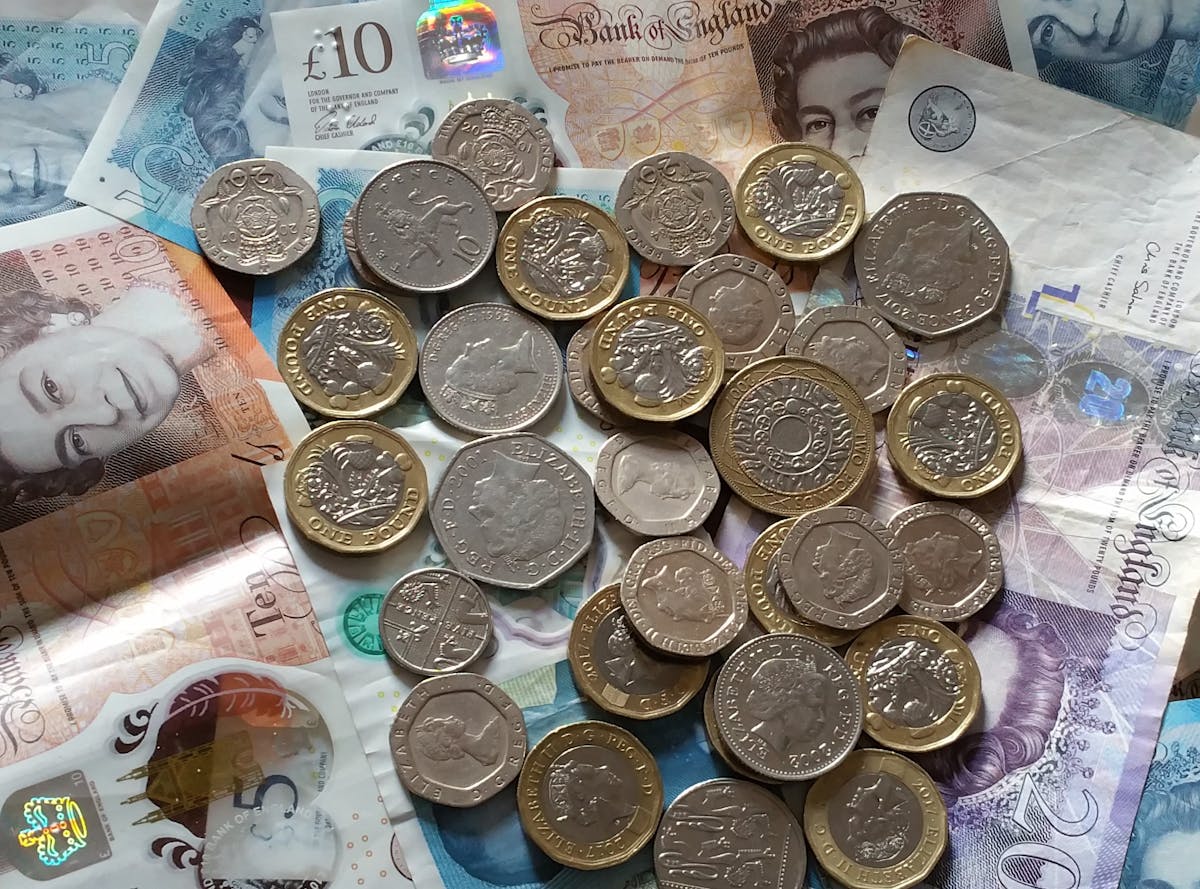
British coins feature eight different denominations, each with distinct characteristics. Furthermore, recent designs showcase various aspects of British heritage and culture. Consequently, collecting these coins becomes an enjoyable family activity during your visit.
- 1 penny (1p) – copper-coloured, smallest denomination
- 2 pence (2p) – copper-coloured, larger than 1p
- 5 pence (5p) – silver-coloured, small and thin
- 10 pence (10p) – silver-coloured, medium-sized
- 20 pence (20p) – silver-coloured, distinctive seven-sided shape
- 50 pence (50p) – silver-coloured, seven-sided, larger than 20p
- £1 coin – gold-coloured, twelve-sided with security features
- £2 coin – dual-coloured with gold centre and silver rim
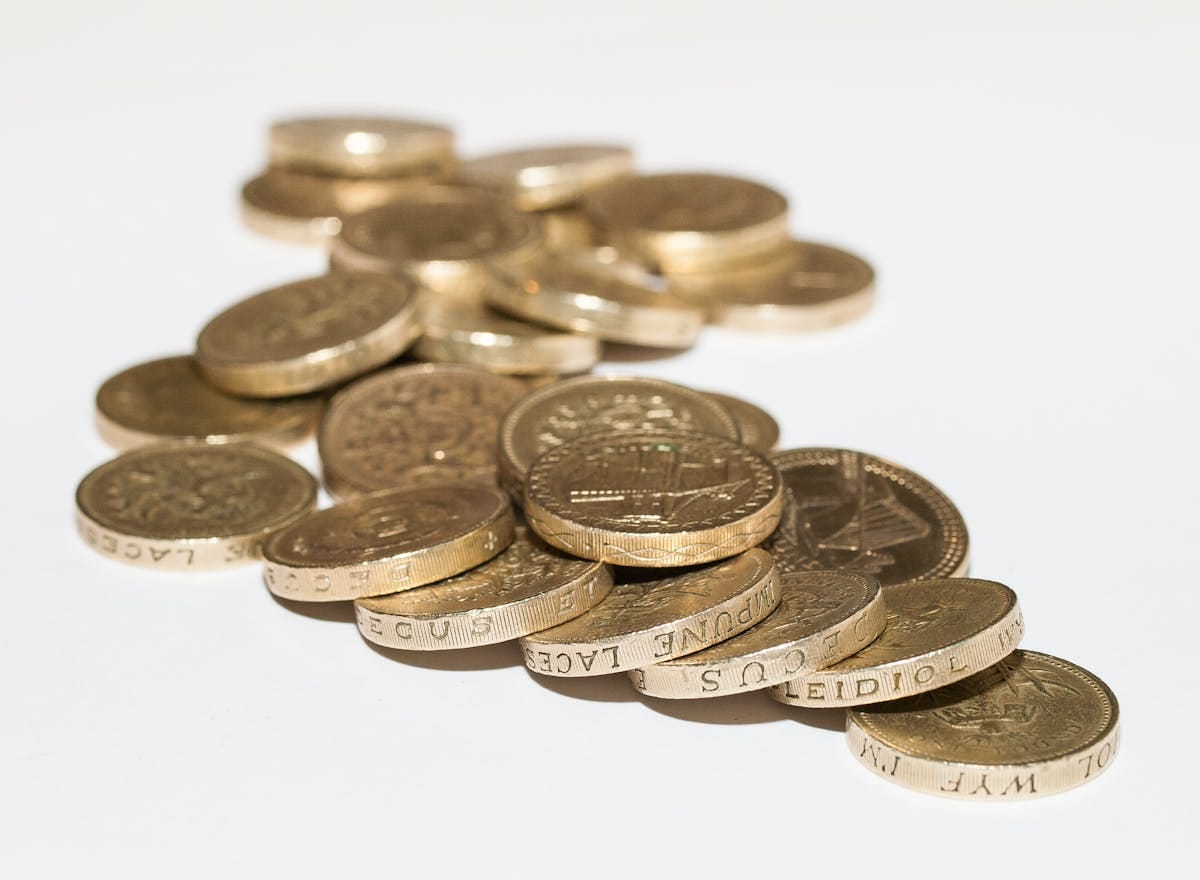
The £1 coin underwent significant changes in 2017, replacing the previous round version. Indeed, this twelve-sided design includes advanced security features making counterfeiting extremely difficult. Many shops initially struggled with the transition, although acceptance is now universal.
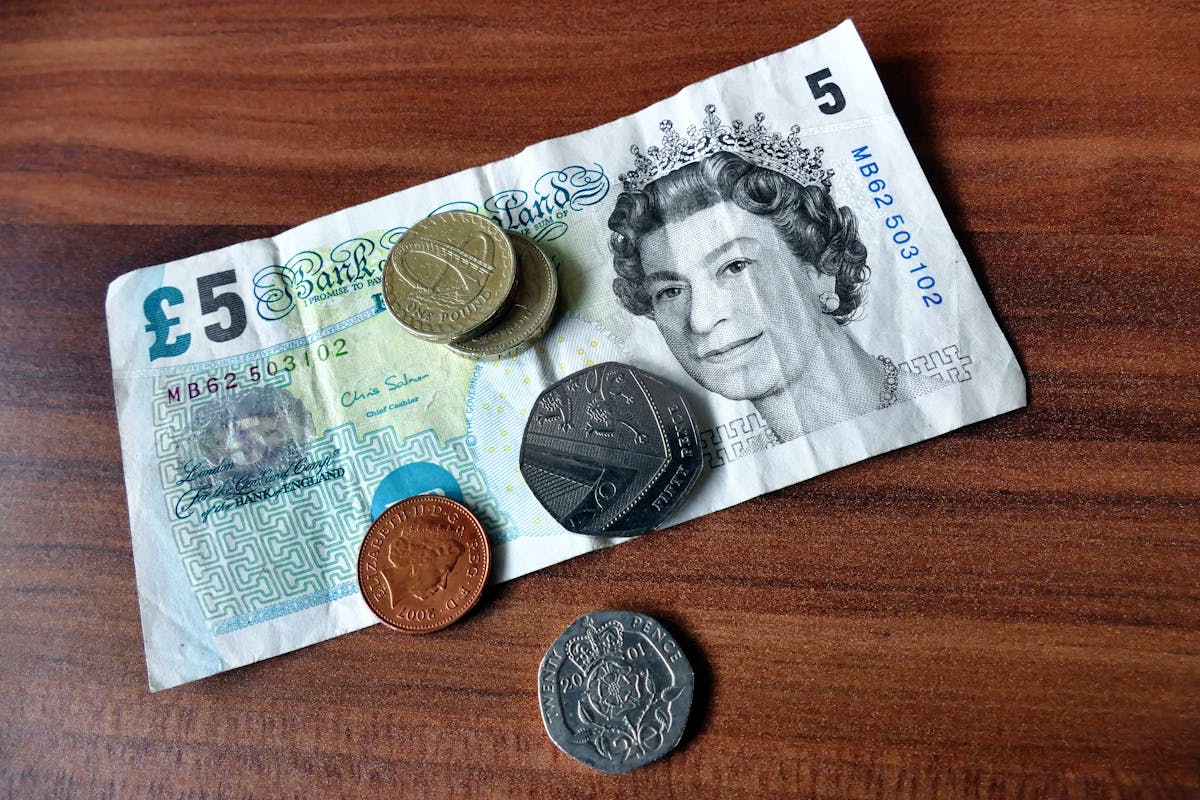
Copper coins (1p and 2p) often accumulate quickly during shopping trips. However, many stores accept these for exact change or charity donations. In particular, families find them useful for public toilets and parking meters.
British Banknote Designs and Security Features for British Pound Coins, Banknotes and Exchange Tips
Bank of England notes feature four denominations: £5, £10, £20, and £50. Moreover, all current notes use polymer material instead of traditional paper. This change improves durability and includes sophisticated security features protecting against forgery.
Each note celebrates a different historical figure alongside Queen Elizabeth II (or King Charles III on newer issues). For instance, the £5 note honours Winston Churchill, while the £10 features Jane Austen. The £20 showcases artist J.M.W. Turner, and the £50 celebrates computer pioneer Alan Turing.
- £5 note – turquoise/blue colour, Winston Churchill
- £10 note – yellow/orange colour, Jane Austen
- £20 note – purple colour, J.M.W. Turner
- £50 note – red colour, Alan Turing
Security features include transparent windows, colour-changing elements, and raised print. Additionally, ultraviolet light reveals hidden patterns and text. Consequently, genuine notes feel distinctly different from paper currency, with a smooth, durable texture.
Best Places to Exchange Currency in the UK
Currency exchange options vary significantly in terms of rates and convenience. Nevertheless, planning your exchange strategy saves substantial money during extended stays. Families especially benefit from understanding these differences before arriving in Britain.
Airport Exchange Services vs High Street Options
Airport bureaux de change offer convenience but typically provide poor exchange rates. In contrast, high street options like Post Office branches often deliver better value. However, banks generally offer the most competitive rates for larger amounts.
Major airports including Heathrow, Gatwick, and Manchester feature multiple exchange providers. Furthermore, some offer online pre-ordering services with collection at arrival. Although convenient for immediate needs, these services charge premium rates.
- Airport exchanges: convenient but expensive
- Post Office: competitive rates, widespread locations
- High street banks: best rates for account holders
- Independent bureaux: variable rates, shop around
Research exchange rates before travelling using comparison websites. Moreover, some credit cards offer favourable exchange rates without transaction fees. Therefore, combining small cash amounts with card payments often provides optimal value.
Using ATMs and Avoiding Fees
British ATMs (called “cash machines” locally) provide convenient access to pounds sterling. Additionally, most accept international cards from major networks including Visa, Mastercard, and Maestro. However, fees vary significantly between different ATM operators and your home bank.
Bank-operated ATMs typically charge lower fees than independent machines in shops or tourist areas. For example, Barclays, HSBC, and Lloyds machines often waive charges for international cards. In contrast, convenience store ATMs may charge £1.50-£3.00 per transaction.
Always decline currency conversion when offered by ATMs, as their rates are unfavourable. Instead, allow your home bank to handle the conversion using standard international rates. Consequently, you’ll save money on every withdrawal during your UK visit.
Contact your bank before travelling to inform them about UK usage. Furthermore, inquire about partnership agreements that might waive international ATM fees. Some banks reimburse foreign ATM charges, making cash access much more affordable.
Money-Saving Tips for Families and Couples Regarding British Pound Coins, Banknotes and Exchange Tips
Smart money management significantly reduces travel costs while maximising your UK experience. Moreover, understanding local payment preferences helps avoid unnecessary expenses. These strategies particularly benefit families managing multiple daily transactions.
Contactless Payments and Card Acceptance
Contactless payment technology dominates British commerce, with most retailers accepting tap-to-pay cards and mobile payments. Additionally, the contactless limit increased to £100 in recent years. Therefore, carrying large amounts of cash becomes unnecessary for most purchases.
Public transport systems extensively use contactless payments, especially in London. For instance, the Oyster card system accepts contactless bank cards directly. However, ensure your card doesn’t charge foreign transaction fees before relying on this convenience.
- Restaurants: nearly universal card acceptance
- Shops: contactless preferred, especially post-pandemic
- Public transport: contactless strongly encouraged
- Markets: mixed acceptance, carry some cash
Mobile payment apps like Apple Pay and Google Pay work seamlessly throughout the UK. Furthermore, many locals prefer these methods over traditional cards. Consequently, setting up mobile payments before your trip streamlines many transactions.
Tipping Customs and Cash Requirements
British tipping customs differ from many other countries, requiring cash in specific situations. Nevertheless, excessive tipping isn’t expected or culturally necessary. Understanding these conventions prevents overspending while respecting local customs.
Restaurant service charges sometimes appear automatically on bills, eliminating the need for additional tips. However, when service charges aren’t included, 10-15% represents appropriate gratitude for good service. Taxi drivers typically receive 10% or rounding up to the nearest pound.
- Restaurants: 10-15% if no service charge
- Pubs: no tipping expected for bar service
- Taxis: 10% or round up fare
- Hotels: £1-2 per bag for porters
Pub culture doesn’t involve tipping bar staff for drinks. Instead, offering to buy the bartender a drink (called “having one yourself”) shows appreciation. Although this traditional gesture is declining, it remains more appropriate than monetary tips.

Avoiding Common Currency Mistakes in Britain
Tourist currency mistakes cost families unnecessary money and create inconvenient situations. Moreover, understanding these pitfalls before arrival prevents frustration during your holiday. Prevention proves much easier than solving problems while travelling.
Dynamic currency conversion represents the most expensive mistake tourists make. Retailers and ATMs offer to charge your home currency instead of pounds sterling. However, their conversion rates include significant markups, sometimes exceeding 5% above standard rates.
Old banknotes occasionally circulate despite being withdrawn from official use. For example, paper £5 and £10 notes lost legal tender status in recent years. Although some shops might accept them, banks provide guaranteed exchange services.
Scottish and Northern Irish banks issue their own banknotes alongside Bank of England currency. Additionally, these notes have legal tender status throughout the UK. Nevertheless, some English retailers unfamiliar with regional designs might refuse them, creating unnecessary complications.
- Always choose pounds sterling over home currency conversion
- Check banknote validity if receiving older-looking notes
- Exchange Scottish/Northern Irish notes in England if concerned
- Keep receipts for currency exchanges for potential disputes
Counterfeit currency remains rare but occasionally surfaces in tourist areas. Therefore, familiarise yourself with security features mentioned earlier. Banks provide comprehensive guides about identifying genuine notes and coins.
Budget planning should account for VAT (Value Added Tax) included in displayed prices. In contrast to some countries, British prices include all taxes. Consequently, the amount shown equals the amount you pay, simplifying budget calculations for families.

Frequently Asked Questions
Can I use euros in the UK?
Most UK retailers don’t accept euros, although some tourist areas and international chains might. However, exchange rates at these locations are typically unfavourable. Therefore, exchanging euros for pounds sterling provides better value and universal acceptance.
How much cash should families carry daily?
£20-50 per person covers most cash-only situations including public toilets, small purchases, and emergency situations. Moreover, contactless payments handle most transactions. Consequently, large cash amounts aren’t necessary in most UK locations.
Do all UK regions accept English banknotes?
Bank of England notes have universal acceptance throughout England, Scotland, Wales, and Northern Ireland. Additionally, regional banknotes from Scottish and Northern Irish banks are equally valid. However, unfamiliarity sometimes causes confusion, particularly with English retailers handling Scottish notes.
What’s the best way to handle leftover pounds?
Airport exchange services accept leftover pounds but offer poor rates. Instead, keep small amounts for future visits or donate coins to charity collection boxes. Furthermore, some online services exchange leftover currency by post, though minimum amounts apply.
Essential Currency Information for UK Travellers
Mastering British pound coins, banknotes and exchange tips transforms your UK travel experience from stressful to seamless. Understanding denominations, security features, and smart exchange strategies saves money while preventing common tourist mistakes. Furthermore, embracing contactless payments and local customs enhances your cultural immersion.
Successful currency management combines advance planning with flexible adaptation to local preferences. Moreover, the strategies outlined above apply whether you’re exploring London’s attractions, touring Scottish highlands, or discovering Welsh valleys. Therefore, families and couples can confidently navigate British commerce while maximising their travel budget.
Planning your UK adventure requires comprehensive preparation beyond currency considerations. Download our complete UK travel checklist featuring accommodation booking tips, transport passes, attraction discounts, and essential packing guidance. This resource ensures nothing gets overlooked during your British holiday planning process.
Ready to explore Britain with confidence? Access detailed information about UK travel requirements, including ETA applications and visitor visa guidance, at official government resources for the most current currency and travel information.
 English
  العربية
  বাংলা
বাংলা  Български
  Català
  简体中文
简体中文  Hrvatski
  Čeština
  Dansk
Dansk  Nederlands
  Eesti
Eesti  Suomi
Suomi  Français
  Deutsch
  Ελληνικά
  עִבְרִית
  हिन्दी
  Magyar
  Íslenska
  Bahasa Indonesia
  Italiano
  日本語
日本語  한국어
한국어  Latviešu valoda
  Lietuvių kalba
  Bahasa Melayu
  Norsk bokmål
  Polski
  Português
  Română
  Slovenčina
  Slovenščina
  Español
  Svenska
  Türkçe
  Tiếng Việt