
Key Takeaways
Do you need a UK ETA for connecting flights in 2026? Only if you cross UK border control. Airside transit rules, the £20 fee and how to apply.
You need a UK ETA for a connecting flight only if you pass through UK border control before your onward journey. Stay airside without crossing immigration and, in most cases, you do not. The £20 authorisation follows one simple test: does your route take you past a passport desk?
TL;DR: Whether a layover needs an ETA comes down to border control, not the ticket. Passing through UK immigration — to collect bags, change airports, or leave the international zone — means you apply for a £20 ETA. A pure airside transit usually does not. When unsure, ask your airline before you fly.
| Quick facts | Detail |
|---|---|
| ETA needed for transit? | Only if you cross UK border control |
| Airside transit (no immigration) | Usually no ETA — confirm with your airline |
| Changing UK airports | ETA required (you clear the border) |
| Fee | £20 per person |
| Decision time | Usually within 3 working days |
Key facts before you book a layover
- gov.uk states you need an ETA “if you’re passing through border control at a UK airport before continuing your onward journey” (UK Home Office, gov.uk/eta, accessed 10 July 2026).
- The ETA costs £20 and covers stays of up to 6 months per visit (gov.uk/eta, 2026).
- Since 25 February 2026, the scheme applies to visa-free visitors, including many transit passengers (gov.uk news, 2026).
- The fee has climbed in steps — £10 from October 2023, £16 from 9 April 2025, and £20 from 8 April 2026 (Home Office factsheet, 2026).
- gov.uk advises checking with your airline “if you are not sure” about a transit route (gov.uk ETA guidance).
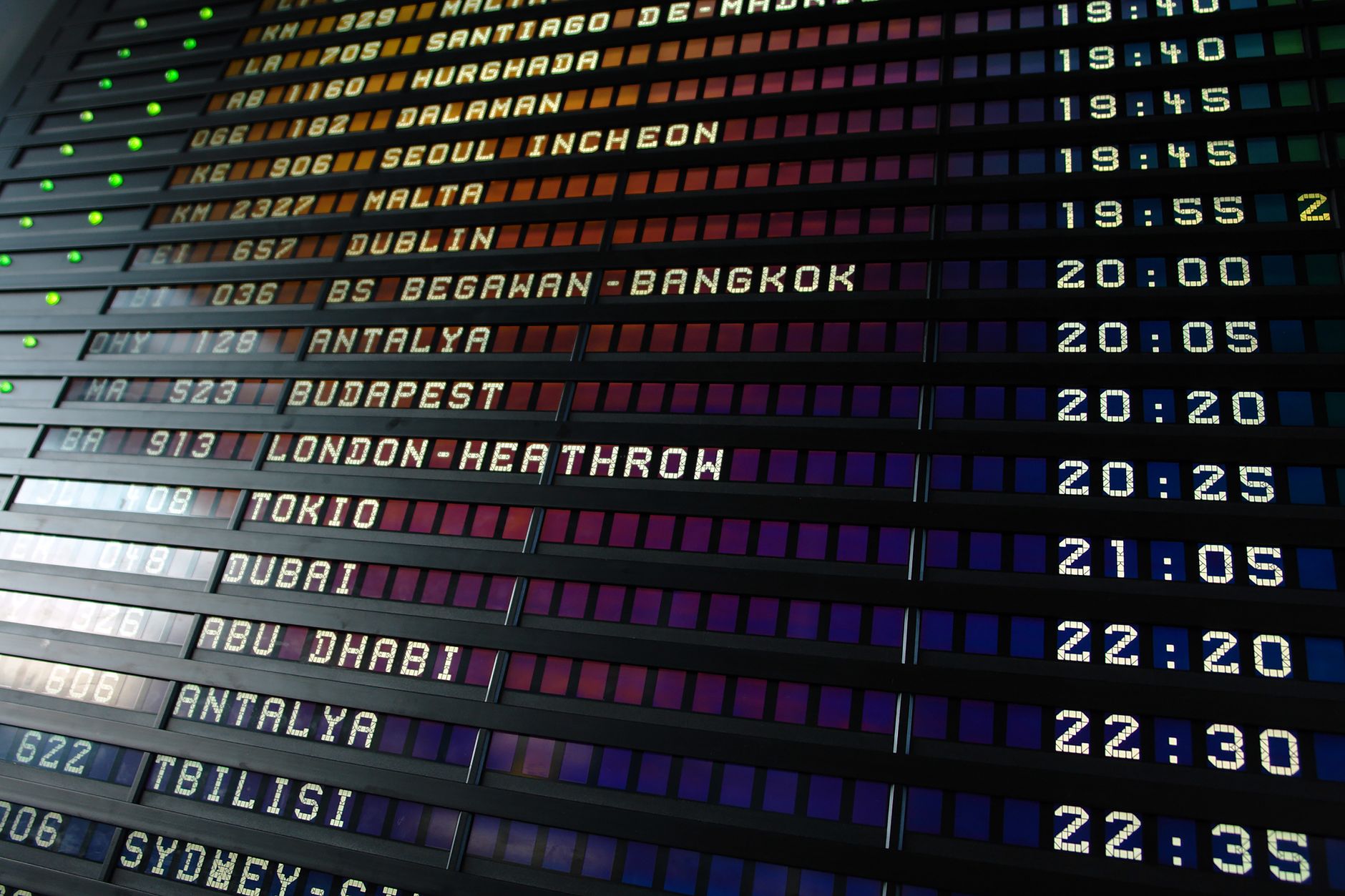
Do you need a UK ETA for a connecting flight?
It depends on one thing: border control. If your layover keeps you airside in the international zone, you generally travel without an ETA; the moment you cross UK immigration, a £20 authorisation applies. The airline, not the airport name, tells you which path your ticket takes. Two travellers on the same aircraft can have different answers.
Picture a stopover at Heathrow. Fly in from Delhi, wait four hours airside, then board a flight to New York — no passport desk, so usually no ETA. Arrive from Delhi, collect your suitcase, and catch a domestic hop to Edinburgh, and you have entered the UK; that trip needs the authorisation. Our UK ETA transit rules guide breaks the routes down, and the requirements guide confirms who is in scope.
Airside transit versus crossing the border
Airside transit means you stay inside the secure international area and never reach a passport officer; crossing the border means you clear immigration, whatever happens next. That single distinction decides the fee. Not every UK airport offers a full airside route, so a “transit” on paper can still send you through control.
| Your route | Cross the border? | ETA? |
|---|---|---|
| International to international, same terminal, stay airside | No | Usually not needed |
| Collect checked bags then re-check | Yes | Required |
| Switch from Heathrow to Gatwick | Yes | Required |
| Onward domestic flight (to Manchester, Edinburgh) | Yes | Required |
| Overnight layover leaving the airport | Yes | Required |
Baggage is the quiet trap here. If your bags are not checked through to the final destination, you must reclaim them past immigration — and that counts as entering the UK. The airport layovers guide explains how to confirm your baggage routing before you leave home.
Terminal design matters too. Heathrow and Gatwick run genuine airside transit corridors for many international-to-international connections, so a same-terminal change of plane can keep you clear of immigration. Smaller regional airports rarely offer that. A traveller connecting through Birmingham or Bristol, for instance, will usually be routed through arrivals and passport control regardless of the ticket wording. If your booking splits the two flights across separate airline groups, treat it as a self-transfer and assume you cross the border.

Changing UK airports on one journey
Swapping airports — Heathrow to Gatwick, or Stansted to Luton — always means clearing UK border control, so you need a £20 ETA for that connection. There is no airside road or rail link between London’s airports; you leave the secure zone, pass immigration, and travel across the city. Budget time and the authorisation for this common mistake. Rail and coach links connect the London airports, but every one of them starts landside, after immigration. Even a 30-minute gap between terminals can involve a passport check when the two flights sit under different operators.
- Map the transfer. Confirm which airports your two flights use. Different airports mean a border crossing.
- Allow enough time. A cross-London transfer can take 90 minutes or more; our Heathrow transport guide and Gatwick transfer guide give real journey times.
- Apply for the ETA. Since you enter the UK, get the authorisation at gov.uk/eta before you fly.
Prefer not to handle the form while juggling two flights? You can apply directly on gov.uk for £20, or let us check the application with you — handy for older travellers connecting after a long-haul flight.

How to apply before a connecting flight
Apply for the ETA as soon as your route is booked, because a decision can take up to three working days even though many arrive within minutes. Leaving it to the airport risks a refused boarding at your departure city, long before you reach the UK. Have your passport, a card, and a photo ready.
- Confirm you cross the border. Use the airline’s transit desk or the eligible countries list to check your status.
- Complete the form. Scan your passport at gov.uk/eta and pay £20; our application guide covers each screen.
- Save the approval. The email confirms your authorisation. One ETA covers repeat trips for two years, as the multiple-entry guide shows.
Timing turns a small task into a stressful one if you leave it late. A traveller from Bangkok booked a same-day connection through Manchester to Dublin, assumed the layover was airside, and discovered at check-in that the route ran through UK arrivals. With no authorisation in hand, boarding was refused and the trip rebooked at a loss. Fifteen minutes on the official app days earlier would have avoided the whole problem. Apply when you book, not when you pack.
Pro tip: Ask your airline to check your bags through to the final destination. Through-checked luggage keeps you airside on many routes — and airside usually means no ETA and a faster connection.

Connecting-flight mistakes that cost travellers
The costliest error is assuming a short layover never needs an ETA — some do, and the check happens at your first check-in desk, not at the UK gate. A little planning removes the risk. Confirm the border question, watch your baggage routing, and apply early rather than at the airport.
- Read your itinerary: a “self-transfer” ticket almost always sends you through immigration to collect bags. Treat it as UK entry.
- Mind the passport rule: the authorisation links to the passport you show, so a recent renewal needs a fresh application. Check dates with our cost breakdown guide.
- Do not gamble at the gate: airlines refuse boarding without an approved ETA. The 2026 fee guide keeps the £20 figure to hand.
Please note: we are an independent assistance service, not the UK government. You can apply directly on gov.uk for £20; our role is to check the form and support travellers who want a second opinion on a tricky connection.
Frequently asked questions
Do I need a UK ETA for connecting flights if I stay airside?
Usually not. If you remain in the international zone and never pass a passport desk, no ETA is normally required. Confirm the route with your airline, as some UK airports lack airside transit.
I am changing from Heathrow to Gatwick — do I need one?
Yes. Switching London airports means clearing UK border control, so a £20 ETA is required for that transfer.
What if my onward flight is domestic, to Manchester or Edinburgh?
You will have entered the UK to take a domestic flight, so an ETA applies. Apply before you travel at gov.uk/eta.
Does collecting my luggage during a layover change things?
Yes. Reclaiming checked bags means passing immigration, which counts as entry. That transit needs an authorisation even if you re-check the bags straight away.
How much is the ETA for a transit passenger?
The same £20 as any visitor, set on 8 April 2026. There is no separate transit rate.
How early should I apply before a stopover?
Apply once your route is booked. Most approvals come within minutes, but allow three working days to be safe.
Can one ETA cover several connecting trips?
Yes. A single authorisation lasts two years and allows multiple entries, so repeated layovers on the same passport need no new application.
My airline could not confirm whether I cross the border — what should I do?
When in doubt, apply. A £20 ETA you did not strictly need is cheaper than a missed flight, and it stays valid for two years.
Written by James Crawford, Travel Documentation Editor. Each guide is checked against current official UK government sources before it goes live.
Last updated: 2026-07-10 — verified against gov.uk schedule.
 English
 العربية
 বাংলা
 Български
 Català
 简体中文
 Hrvatski
 Čeština
 Dansk
 Nederlands
 Eesti
 Suomi
 Français
 Deutsch
 Ελληνικά
 עִבְרִית
 हिन्दी
 Magyar
 Íslenska
 Bahasa Indonesia
 Italiano
 日本語
 한국어
 Latviešu valoda
 Lietuvių kalba
 Bahasa Melayu
 Norsk bokmål
 Polski
 Português
 Română
 Slovenčina
 Slovenščina
 Español
 Svenska
 Türkçe
 Tiếng Việt