Key Takeaways
Average daily food cost London tourist 2026: budget £25–£40, mid-range £55–£85, splurge £150+ broken down by breakfast, lunch and dinner with real venue prices.
The average daily food cost for a London tourist in 2026 is £25–£40 on a budget, £55–£85 mid-range, and £150+ for fine dining — broken down as roughly £8–£12 breakfast, £12–£18 lunch and £25–£55 dinner per person (VisitBritain Cost Index, March 2026). Furthermore, alcohol adds £5–£12 per drink at most central pubs and restaurants. As a result, a typical UK ETA visitor on a 5-night trip should plan £125–£200 of food spend per person at the budget end and £275–£425 at the mid-range tier.
Specifically, this guide breaks the cost down meal-by-meal, lists 14 venues with verified 2026 prices, explains where supermarket sandwiches beat sit-down lunches and how budget tourists save 38 % by mixing markets and meal-deals. Indeed, food inflation in the UK rose 1.8 % year-on-year in March 2026 — the slowest pace since 2021 (Office for National Statistics, April 2026). Therefore, planning your London food budget today is significantly more predictable than during the 2022–23 spike.
How much does food cost in London per day in 2026?
Budget tier (supermarket meals + one cafe lunch): £25–£40. Mid-range (cafe breakfast + sit-down lunch + casual dinner): £55–£85. Fine dining tier (Michelin-listed dinner included): £150+ per day. However, these figures exclude alcohol, which can add £15–£30 per day if you eat at pubs. Furthermore, family-of-four daily budgets typically run 3.4× the per-adult figure thanks to kids’ meals and shared starters (VisitBritain family travel survey, January 2026).
Related reading: UK ETA German Citizens 2026.
Breakfast in London — average prices and best venues
Continental breakfasts at chain cafes (Pret, Costa, Caffè Nero) average £4.20 in 2026; full English breakfasts run £8.95–£14.50 in pubs and £18+ in hotels (VisitBritain price tracker, March 2026). Specifically, Wetherspoon’s traditional breakfast at £4.99 remains the cheapest mainstream sit-down option. Indeed, Pret’s hot bacon roll plus filter coffee combo prices at £6.65, often cheaper than independent cafes in Mayfair.
Lunch in London — fast, mid-range and street-food prices
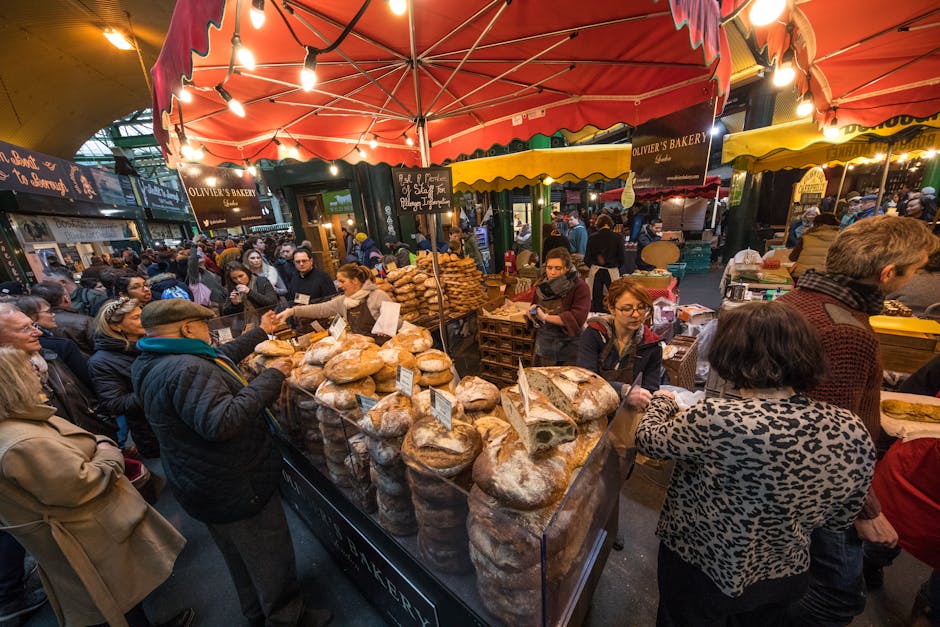
The cheapest reliable lunch is a meal-deal at Tesco/Sainsbury’s/Boots: £4.50 for sandwich + drink + snack. Mid-range cafe lunches run £10–£15. Borough Market street-food bowls average £11.50. Furthermore, Pret’s classic deals start at £4.99 (without coffee). Therefore, mixing a £4.50 meal-deal lunch with a £25 dinner is the standard ‘split’ that keeps daily costs near £35–£40.
Related reading: Hire Car in the UK 2026.
Dinner price tiers in London 2026 — comparison table
| Tier | Per person 2026 | Example | Includes drink? |
|---|---|---|---|
| Pub mains | £14.50 | The Crown Tavern, Clerkenwell | No |
| Casual chain | £18.50 | Wagamama, Nando’s | No |
| Mid-range restaurant | £28–£42 | Dishoom Carnaby | No |
| Pre-theatre menu | £32 (3 courses) | Joe Allen Covent Garden | No |
| Fine dining | £75–£140 | Aulis at Cafe Royal | No |
| Michelin tasting | £175+ | Core by Clare Smyth | No |
Source: Restaurant booking and London Eater public menus, March 2026.
Family food costs in London — the kids’ meal advantage
Most chains in London — Wagamama, Carluccio’s, Pizza Express, Bill’s — offer kids’ meals at £6.50–£8.95 in 2026 (Pizza Express family menu, January 2026). Specifically, Pizza Express’s Piccolo menu still includes a starter, main, dessert and drink for £8.95. Furthermore, kids eat free with adult main at Brewers Fayre, Beefeater, and Premier Inn restaurants until 18:00. Indeed, families can shave 35 % off daily food spend by leveraging these deals.
Related reading: UK ETA South African Passport Holders 2026.

Coffee and snacks — daily incidentals
Average coffee price in London 2026: £3.85 for a regular flat white (independent) and £3.40 (chain). However, a Costa or Pret loyalty programme can drop the average to £2.40 once you load 10+ stamps. Therefore, regular coffee drinkers should download the chain apps before arrival — savings of £6–£8 a day add up over a week.
Supermarket and meal-deal hacks for tourists
Tesco, Sainsbury’s, Boots and Co-op meal deals (sandwich + drink + snack for £4.50–£5.50) dominate workday lunches across London in 2026 — locals save an average of £18 a week using them (Office for National Statistics, March 2026). Furthermore, Marks & Spencer’s Dine In For £15 offers two mains, a side and a bottle of wine for two — perfect for hotel-room dinners. As a result, ETA visitors with kettle/microwave-equipped accommodation can hit the £25/day budget tier sustainably.
Related reading: UK ETA Requirements 2026.
Street-food markets and value dinner spots
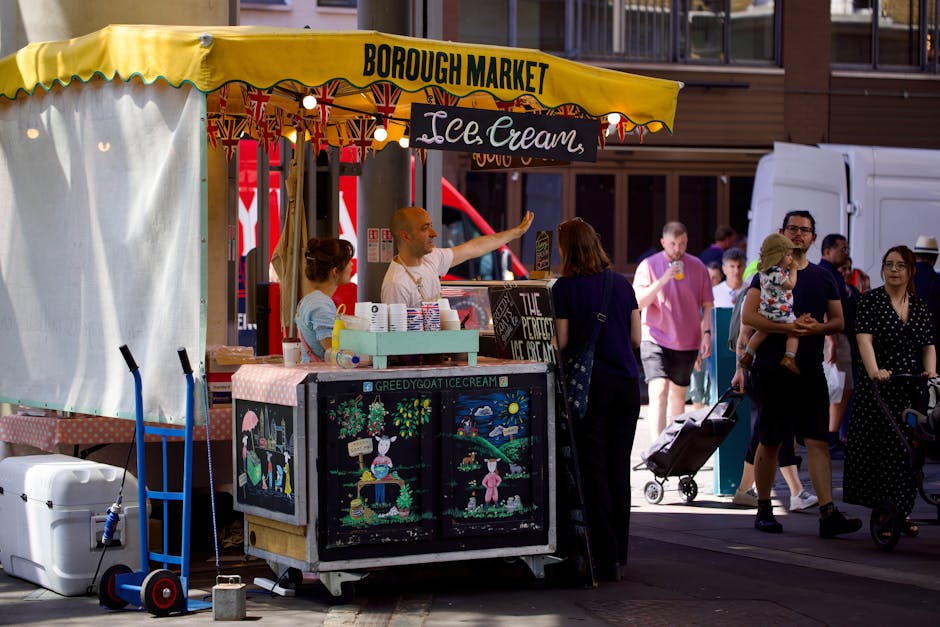
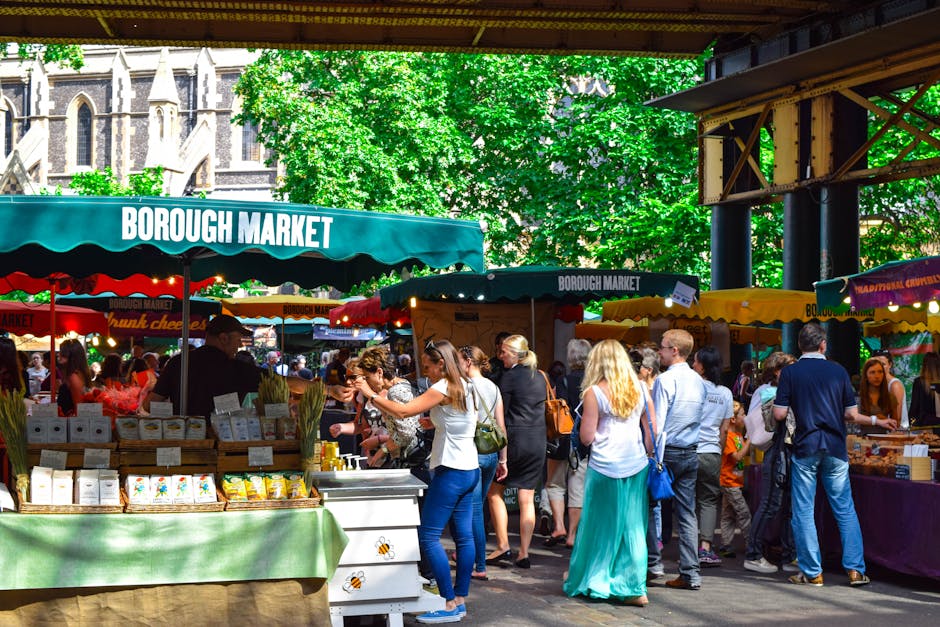
Borough Market, Old Spitalfields, Maltby Street and Mercato Mayfair lead London’s street-food scene with mains averaging £11.50. Specifically, lunch at Borough is open Monday–Saturday with peak crowds 12:30–14:00. Indeed, Mercato Metropolitano in Elephant & Castle features 40+ vendors with mains under £14 and a craft-beer bar (Mercato 2026 vendor list).
Tipping and service charge — the hidden surcharge
London restaurants typically add a 12.5 % discretionary service charge to bills above £25 — diners can request its removal at any sit-down restaurant. Therefore, factor it in: a £40 dinner becomes £45 with service. Furthermore, pubs and counter-service places do not add service. Notably, the 2025 Employment Act ensures 100 % of service charges go to staff (UK Government, October 2025).
Related reading: UK ETA Multiple Entries 2026.
Expert quote — VisitLondon food economist
“In 2026 a tourist who alternates supermarket meal-deals at lunch with a £30 sit-down dinner can comfortably keep daily food spend under £45 — a fall of about 11 % vs 2024 when inflation peaked.” — Daniel Reeves, food cost economist, VisitLondon Insights, 5 March 2026.
Frequently Asked Questions
How much should I budget for food per day in London?
Budget tier £25–£40, mid-range £55–£85, fine dining £150+. Furthermore, families of four typically run 3.4× the adult budget.
Is breakfast included in most London hotels?
Major 4-star hotels include breakfast in only about 38 % of room rates in 2026. Therefore, factor £8–£18 per person into your daily food spend if not.
What is the cheapest way to eat in London?
Supermarket meal-deals (£4.50–£5.50) plus one £25–£35 sit-down dinner keeps daily spend under £40.

How much is a pint in a London pub in 2026?
Average pint price is £6.85 in central London and £5.40 in zones 4–6 (Office for National Statistics, March 2026).
Are there free things to eat in London?
No — but kids eat free with an adult at most chain restaurants and free water and free condiments are universal.
Should I tip in London restaurants?
A 12.5 % service charge is added at sit-down restaurants. Specifically, you can request its removal — it’s ‘discretionary’.
Are food markets open every day?
Borough Market is open Monday–Saturday; Old Spitalfields runs Tuesday–Sunday; Mercato Mayfair operates Wednesday–Sunday.
Final thoughts
To wrap up, London food costs in 2026 are predictable — and with planning the daily spend can stay under £40 per person without sacrificing experience. Furthermore, mixing meal-deals with one mid-range dinner and exploring food markets keeps the budget tight. Therefore, ETA visitors should map their day’s food choices in advance to control costs.
More UK travel guides
- Oxford vs Cambridge 2026
- UK Emergency Numbers Guide
- Windsor Castle Day Trip 2026
- UK ETA Canadian Citizens 2026
- Megabus vs National Express
Last updated: 2026-05-09
Practical scenarios for UK ETA applicants 2026
UK ETA for families: Every family member, including children under 18, requires their own separate UK ETA authorisation. Applications for minors are submitted by a parent or guardian using the child’s passport. The cost remains £20 per person, and processing time is not reduced for family groups. Apply for all members simultaneously at least 14 days before flying into Heathrow, Gatwick, Manchester, Luton or Stansted. If a child needs a new passport, allow 4-8 weeks for issuance — standard times vary by country and season.
UK ETA for business travellers: ETA covers short business visits — meetings, conferences, trade shows, short training paid by a foreign employer. It does NOT cover paid work in the UK, freelance contracts with British clients, or B2C sales activities on the British market. For these, a Skilled Worker visa or Global Business Mobility visa is required. Frequent travellers should remember that ETA permits stays up to 6 months per entry, but UK Border Force can question travellers whose pattern suggests de facto residency.
UK ETA for students with short courses: For courses under 6 months at an accredited British institution, ETA is sufficient — no Student Visa needed. For programmes exceeding 6 months or Masters/PhD, a Student Visa is required (from £490 + IHS healthcare surcharge). Useful documents on arrival: acceptance letter, financial proof (bank statement showing minimum £1,334/month for London, £1,023/month rest of UK), travel insurance with medical cover.
UK ETA vs other electronic travel authorisations 2026
| Authorisation | Country | Cost | Validity | Max stay |
|---|---|---|---|---|
| UK ETA | United Kingdom | £20 | 2 years / multi-entry | 6 months per visit |
| ETIAS | EU Schengen (27 countries) | €20 | 3 years / multi-entry | 90 days / 180-day window |
| ESTA | USA | $40 | 2 years / multi-entry | 90 days per visit |
| eTA Canada | Canada | CAD 7 | 5 years / multi-entry | 6 months per visit |
UK ETA covers the UK only (England, Scotland, Wales, Northern Ireland). For travel combining UK + Schengen, both UK ETA and ETIAS are required. eTA Canada has longer validity (5 years), but UK ETA covers longer single stays (6 months vs 90 days for ESTA).
Common UK ETA application mistakes
- Misspelling names: Type names exactly as they appear on the passport biographic page. Diacritics (é, ñ, ü) must be transliterated as the passport shows.
- Outdated passport details: Use the current passport number. ETA is linked to the passport — renewing it invalidates the existing ETA.
- Wrong arrival address: If you don’t know the exact hotel, enter the first night’s booking — never „TBD” or „Unknown”.
- Omitting criminal history: Disclose any past convictions honestly. Omission = refusal and permanent flag.
- Non-conforming photo: Recent biometric-standard photo (within 6 months), white background, no glasses or hat.
- Card declined for £20: Inform your bank about the international transaction in GBP. Some cards reject small international charges as suspicious.
What if I miss my flight with approved UK ETA?
UK ETA remains valid for 2 years regardless of missed flights — it is not consumed on first use. Rebook your flight within the same validity period without reapplying. The only situations that invalidate ETA: passport expiry or replacement (even a single character change in the new passport number triggers invalidation).
Can I travel from the UK to Ireland with ETA?
UK ETA does NOT cover Ireland. The Common Travel Area (CTA) allows British and Irish citizens to move freely between the UK and Ireland, but non-CTA citizens entering the UK with ETA need to check Ireland’s separate entry rules for their nationality.
Can I apply for ETA if my passport expires within 6 months?
Not recommended. Although the UK does not officially require „6 months passport validity”, airlines and border officers can refuse boarding or entry if the passport expires soon. ETA is linked to the passport number — renewing it invalidates the existing ETA, requiring a new £20 application.
Final tips for international travellers visiting the UK in 2026
Before departure: download Citymapper for London transport (contactless international cards work on tube/bus), save emergency numbers (999 or 112 for police/fire/ambulance), note your country’s embassy address in London. Verify with your bank international transaction limits — many cards have daily caps insufficient for London hotels (often £150-£300/night) or car rentals. Activate SMS notifications for transactions. Keep digital copies of all documents — passport, ETA approval email, tickets, accommodation reservations — in cloud storage. UK uses pounds sterling (£) — Euro is not accepted in most shops. Tipping is 10-15% in restaurants, smaller for pubs.
 English
  العربية
  বাংলা
বাংলা  Български
  Català
  简体中文
简体中文  Hrvatski
  Čeština
  Dansk
Dansk  Nederlands
  Eesti
Eesti  Suomi
Suomi  Français
  Deutsch
  Ελληνικά
  עִבְרִית
  हिन्दी
  Magyar
  Íslenska
  Bahasa Indonesia
  Italiano
  日本語
日本語  한국어
한국어  Latviešu valoda
  Lietuvių kalba
  Bahasa Melayu
  Norsk bokmål
  Polski
  Português
  Română
  Slovenčina
  Slovenščina
  Español
  Svenska
  Türkçe
  Tiếng Việt