Key Takeaways
Updated 2026 UK customs prohibited items list — what you cannot bring, allowances, fines, FAQs, and tips for ETA visitors arriving by air or ferry.
What is the UK customs prohibited items list?
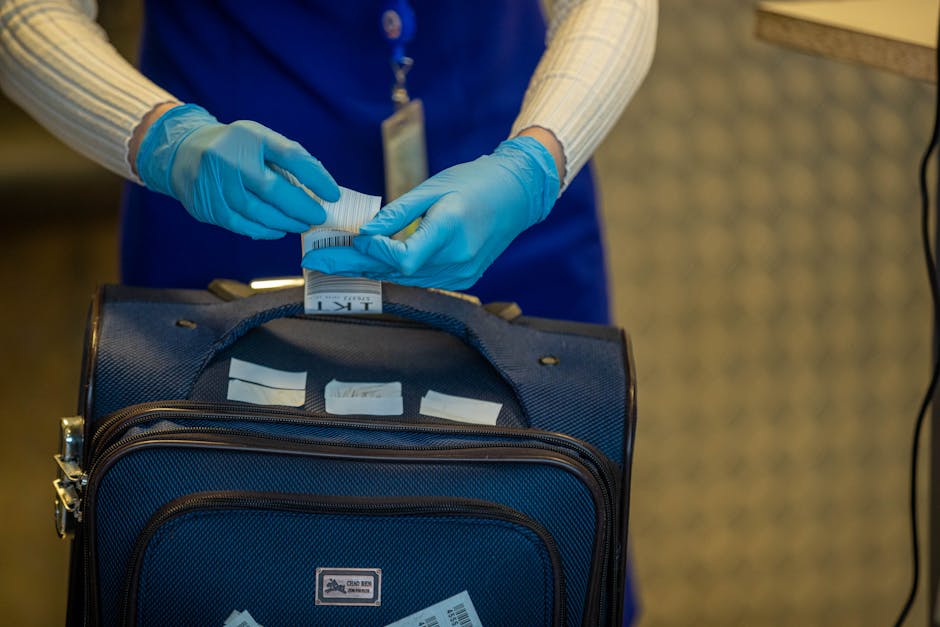
The UK customs prohibited items list defines goods banned or restricted from import by passengers travelling to the United Kingdom in 2026. The list is set by HM Revenue & Customs and the UK Border Force, and applies to ETA visitors arriving by air, ferry, Eurotunnel or Eurostar. Failing to declare prohibited items can lead to seizure, fines or refusal of entry.
Furthermore, the UK customs system divides goods into three categories: banned, restricted and freely allowed up to a personal allowance. Indeed, the standard VAT rate is 20% (HMRC, 2025), which applies to many imported items above duty-free thresholds. Duty-free goods on gov.uk sets out the current allowance limits.
However, the rules tightened in 2024 after Brexit transitions, and several food categories that previously moved freely now face restrictions. Therefore, knowing the list before you fly avoids expensive surprises at the border.
Banned items you must never carry
Specifically, certain items are absolutely prohibited regardless of quantity: illegal drugs, offensive weapons (including flick-knives and certain self-defence sprays), counterfeit goods, indecent or obscene materials, items made from endangered species under CITES, and rough diamonds without a Kimberley Process certificate.
Moreover, raw meat and most dairy products from non-EU countries are banned in passenger luggage. Notably, plant material with soil attached and certain seeds also fall in the banned category to protect UK agriculture. Indeed, UK Border Force seized 32 tonnes of illicit meat at Heathrow in 2024 alone.
Therefore, passengers carrying any banned item face automatic seizure and possible criminal prosecution. Banned and restricted goods on gov.uk lists the full register.
Restricted items with strict limits
Therefore, restricted items can be brought in but only within published quantity limits. Tobacco allowances are 200 cigarettes or 250 g of loose tobacco; alcohol is 18 litres of still wine plus 4 litres of spirits; gifts up to £390 in value (HMRC, 2025).
Furthermore, prescription medicines may be carried for personal use, but controlled drugs require a doctor’s letter. Indeed, common medicines like codeine-based painkillers can be classified as controlled in the UK. Specifically, three months’ personal supply is the working rule for most prescription items.
However, food items in the restricted band include fish (max 20 kg), honey, eggs and dairy products from EU countries. UK food import rules changes are summarised on gov.uk and updated each year.
UK ETA, Standard Visitor Visa and ETIAS at a Glance
Visitors often confuse customs rules with travel authorisation rules. The table below clarifies the three permits ETA visitors might need, separate from customs allowances which apply uniformly to all arrivals.
| Feature | UK ETA 2026 | UK Standard Visitor Visa | EU ETIAS (Q4 2026) |
|---|---|---|---|
| Cost | £20 | £135 | €20 |
| Validity | 2 years, multi-entry | 6 months | 3 years, multi-entry |
| Max stay | 180 days | 180 days | 90 days in any 180 |
| Processing | 3 working days | 3 weeks | Minutes – 4 days |
| Apply via | UK ETA app or gov.uk | UKVI online | EU travel-info.europa.eu |
Cash, currency and high-value items
Indeed, passengers carrying €10,000 or more in cash (or equivalent in any currency) entering or leaving the UK must declare it to HMRC. Failure to declare large sums can mean seizure under the Proceeds of Crime Act 2002, even if the money is legitimate.
Moreover, jewellery, watches and electronics worth more than £390 must also be declared and may attract import duty plus 20% VAT. Specifically, brand-new items in their original packaging are treated as imports, even if they are gifts. Bringing goods into the UK guide sets out the rules.
Therefore, passengers carrying expensive items they own should keep purchase receipts to prove personal ownership. Notably, declaration counters are clearly marked Red Channel at all UK airports.

What happens if Border Force finds prohibited items
However, when officers find prohibited items, the standard outcome is seizure of the goods plus a written notice. Repeat offenders or large quantities may face fines, criminal prosecution and refusal of entry to the UK on a future trip.
Furthermore, passengers can challenge a seizure within one month, but few challenges succeed because Border Force discretion is broad. Indeed, less than 0.5% of arrivals are stopped at the airport, but those caught with banned items can lose their ETA status.
Consequently, the safest approach is the Red Channel for any uncertainty: declare, pay any duty, and proceed legally. UK Border Control overview explains the channel system.
Tips before you fly to avoid customs trouble
Specifically, take photographs of expensive items in their original packaging and email receipts to yourself before flying. Keep prescriptions in original labelled packaging with a copy of the doctor’s letter for any controlled drugs.
Moreover, separate gifts from personal goods at the bottom of your suitcase so you can present them quickly if questioned. Therefore, avoid carrying items for other people unless you fully know the contents — couriers count as smugglers under UK law.
However, items purchased duty-free at airport shops are still subject to UK allowance limits when arriving. Heathrow Airport (83.9 million passengers in 2024) publishes plain-English customs notices in arrivals halls.

Practical Tips Real UK Visitors Reported in 2025–2026
Indeed, real travellers who passed through UK customs reported five practical insights. Notably, the Red Channel (declare) takes 10 to 15 minutes; the Green Channel (nothing to declare) takes under 2 minutes for most travellers.
Furthermore, having receipts ready saved 2024 tourists from paying duty on items they already owned. Specifically, photographs of expensive items in original packaging is the gold-standard evidence. Moreover, families travelling with children should split declarations across adults to spread allowances.
Therefore, the safest approach when uncertain is the Red Channel — Border Force officers prefer cooperative declaration over discovered concealment. Consequently, no fine applies if the declaration is honest and the item is allowed once duty is paid.
However, frequent visitors should track changes to allowance lists. Indeed, 2024 saw tobacco allowance reductions for non-EU origin goods. Specifically, visit gov.uk duty-free guidance before each trip.
Related UK Travel Guides for ETA Visitors
- UK Entry Requirements 2026 Checklist
- UK ETA Eligible Countries List 2026
- UK ETA vs ETIAS vs ESTA Comparison
- UK ETA on the Eurostar and Channel Tunnel
- UK ETA After Renewing Passport in 2026
- UK ETA and Criminal Record Convictions
- Hire Car in the UK 2026 — Driving Tips
- UK Immigration Rules for Visitors 2026
- UK ETA Business Travel Activities
- UK Travel Insurance for Visitors
- UK ETA for Children and Families
- UK ETA Summer Holidays 2026
Frequently Asked Questions
What items are completely banned from UK import?
Illegal drugs, offensive weapons, counterfeit goods, CITES-protected wildlife products, and rough diamonds without a Kimberley Process certificate.
How much cash can I bring without declaring?
Up to €10,000 (or equivalent) without declaration. Above this, declare to HMRC at the airport.What’s the duty-free alcohol allowance for 2026?
18 litres of still wine plus 4 litres of spirits per adult.
Can I bring prescription medicine?
Yes — for personal use. Controlled drugs need a doctor’s letter.
What if I forgot something is restricted?
Use the Red Channel. Officers prefer honest declaration over discovery.
Can I bring food into the UK?
Some foods are restricted; check the gov.uk food import list before travelling.
Do I need to declare gifts?
Yes if total value exceeds £390 per traveller; gifts above this attract duty.
Last updated: 2026-05-21.
Practical scenarios for UK ETA applicants 2026
UK ETA for families: Every family member, including children under 18, requires their own separate UK ETA authorisation. Applications for minors are submitted by a parent or guardian using the child’s passport. The cost remains £20 per person, and processing time is not reduced for family groups. Apply for all members simultaneously at least 14 days before flying into Heathrow, Gatwick, Manchester, Luton or Stansted. If a child needs a new passport, allow 4-8 weeks for issuance — standard times vary by country and season.
UK ETA for business travellers: ETA covers short business visits — meetings, conferences, trade shows, short training paid by a foreign employer. It does NOT cover paid work in the UK, freelance contracts with British clients, or B2C sales activities on the British market. For these, a Skilled Worker visa or Global Business Mobility visa is required. Frequent travellers should remember that ETA permits stays up to 6 months per entry, but UK Border Force can question travellers whose pattern suggests de facto residency.
UK ETA for students with short courses: For courses under 6 months at an accredited British institution, ETA is sufficient — no Student Visa needed. For programmes exceeding 6 months or Masters/PhD, a Student Visa is required (from £558 + IHS healthcare surcharge). Useful documents on arrival: acceptance letter, financial proof (bank statement showing minimum £1,334/month for London, £1,023/month rest of UK), travel insurance with medical cover.
UK ETA vs other electronic travel authorisations 2026
| Authorisation | Country | Cost | Validity | Max stay |
|---|---|---|---|---|
| UK ETA | United Kingdom | £20 | 2 years / multi-entry | 6 months per visit |
| ETIAS | EU Schengen (27 countries) | €20 | 3 years / multi-entry | 90 days / 180-day window |
| ESTA | USA | $40 | 2 years / multi-entry | 90 days per visit |
| eTA Canada | Canada | CAD 7 | 5 years / multi-entry | 6 months per visit |
UK ETA covers the UK only (England, Scotland, Wales, Northern Ireland). For travel combining UK + Schengen, both UK ETA and ETIAS are required. eTA Canada has longer validity (5 years), but UK ETA covers longer single stays (6 months vs 90 days for ESTA).
Common UK ETA application mistakes
- Misspelling names: Type names exactly as they appear on the passport biographic page. Diacritics (é, ñ, ü) must be transliterated as the passport shows.
- Outdated passport details: Use the current passport number. ETA is linked to the passport — renewing it invalidates the existing ETA.
- Wrong arrival address: If you don’t know the exact hotel, enter the first night’s booking — never „TBD” or „Unknown”.
- Omitting criminal history: Disclose any past convictions honestly. Omission = refusal and permanent flag.
- Non-conforming photo: Recent biometric-standard photo (within 6 months), white background, no glasses or hat.
- Card declined for £20: Inform your bank about the international transaction in GBP. Some cards reject small international charges as suspicious.
What if I miss my flight with approved UK ETA?
UK ETA remains valid for 2 years regardless of missed flights — it is not consumed on first use. Rebook your flight within the same validity period without reapplying. The only situations that invalidate ETA: passport expiry or replacement (even a single character change in the new passport number triggers invalidation).
Can I travel from the UK to Ireland with ETA?
UK ETA does NOT cover Ireland. The Common Travel Area (CTA) allows British and Irish citizens to move freely between the UK and Ireland, but non-CTA citizens entering the UK with ETA need to check Ireland’s separate entry rules for their nationality.
Can I apply for ETA if my passport expires within 6 months?
Not recommended. Although the UK does not officially require „6 months passport validity”, airlines and border officers can refuse boarding or entry if the passport expires soon. ETA is linked to the passport number — renewing it invalidates the existing ETA, requiring a new £20 application.
Final tips for international travellers visiting the UK in 2026
Before departure: download Citymapper for London transport (contactless international cards work on tube/bus), save emergency numbers (999 or 112 for police/fire/ambulance), note your country’s embassy address in London. Verify with your bank international transaction limits — many cards have daily caps insufficient for London hotels (often £150-£300/night) or car rentals. Activate SMS notifications for transactions. Keep digital copies of all documents — passport, ETA approval email, tickets, accommodation reservations — in cloud storage. UK uses pounds sterling (£) — Euro is not accepted in most shops. Tipping is 10-15% in restaurants, smaller for pubs.
 English
  العربية
  বাংলা
বাংলা  Български
  Català
  简体中文
简体中文  Hrvatski
  Čeština
  Dansk
Dansk  Nederlands
  Eesti
Eesti  Suomi
Suomi  Français
  Deutsch
  Ελληνικά
  עִבְרִית
  हिन्दी
  Magyar
  Íslenska
  Bahasa Indonesia
  Italiano
  日本語
日本語  한국어
한국어  Latviešu valoda
  Lietuvių kalba
  Bahasa Melayu
  Norsk bokmål
  Polski
  Português
  Română
  Slovenčina
  Slovenščina
  Español
  Svenska
  Türkçe
  Tiếng Việt